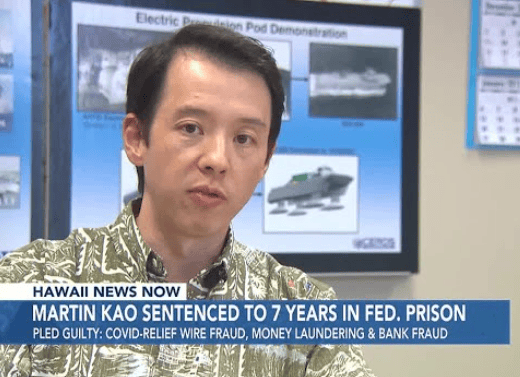
Navatek CEO Martin Kao and Maine Senator Susan Collins take campaign finance law to the limit. Campaign contributions, millions in federal defense spending, a shell company, a super PAC and an FBI bribery investigation all intersect in this story. The timeline below charts the path.
Susan Collins, Navatek and the Money Trail
Summer 2018
Navatek CEO Martin Kao and associates begin making significant political contributions connected with Sen. Susan Collins. The contributions occurred shortly before Collins included $8 million for a Navatek proposal in the defense budget.
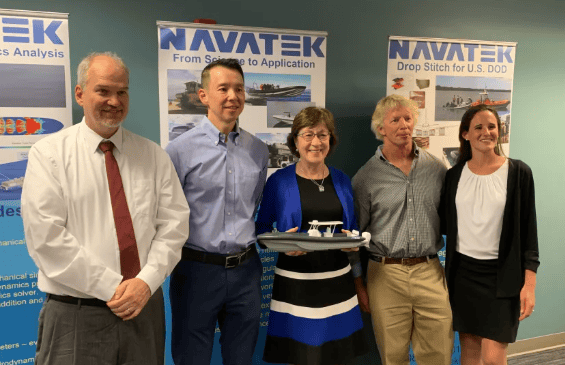
Look what we can do: a 3D printed boat for the Navy! Senator Collins seems to like it, so…
2018–Feb. 2019
A Navy official wrote on Feb. 6, 2019: “I spoke with Sen. Collins office regarding the $8M,” adding that the interested company was Navatek.
April 2019 onward
In emails Navatek’s CEO Kao and lobbyist Glen Mandigo simultaneously discuss Navatek’s Collins-supported government work and fundraising for Collins’s reelection campaign with campaign personnel.
Before Aug. 2019
Emails also show discussions with the campaign about reallocating excess contributions attributed to Kao to his father. Campaign finance director Amy Abbott responded that the campaign was grateful for the Kao family’s support.
September 2019
The Senate releases a draft defense budget containing $21.5 million for projects sought by Navatek in Maine. Four days later, Kao emails a Collins campaign fundraiser thanking the senator for her support and saying Navatek was available to help with last-minute needs “financially or whatever.”
Late 2019
Collins’s allied 1820 PAC is urgently raising money for her reelection effort. Its chairman, Republican political strategist Scott Reed, meets Kao and two other Navatek executives at a Corner Bakery in Washington. Reed seeks a $500,000 contribution.
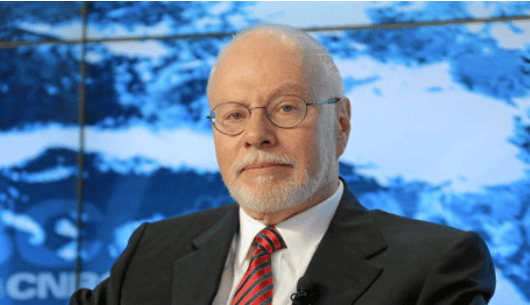
Martin Kao of Navatek wasn’t the only one who thought Susan Collins was right for Maine and the United States. These guys sent $5,500,000 to Collins-loving 1820 PAC.
Nov. 22, 2019
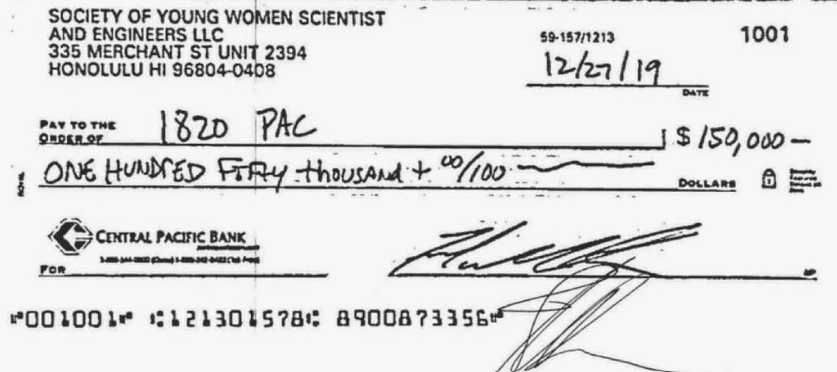
Kao emails Reed proposing creation of an LLC—the Society of Young Women Scientists and Engineers—to make the contribution while obscuring its source. Reed replies approvingly.
Late 2019 / early 2020
The shell company contributes $150,000 to 1820 PAC.
February 2020
Kao and his team meet with Collins’s office. Afterwards Kao emails colleagues: “Excellent meeting. Total of $32M will be supported.”
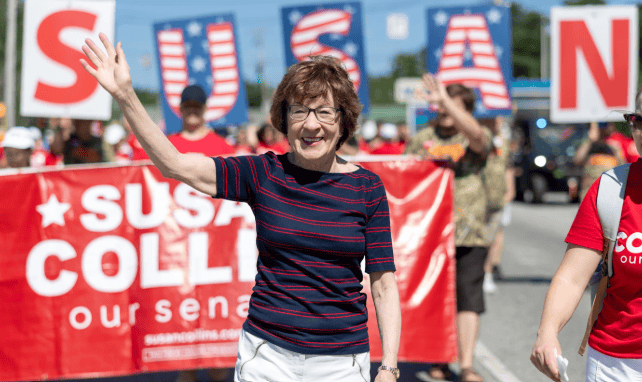
The gavel only banged once… for Kao
2020–21
Collins’s office says the campaign ultimately disgorged the illegal Kao contributions. Collins’s representatives say the campaign had not known they were illegal.
September 2024
Kao gives investigators a 50-page document detailing his dealings with more than a dozen members of Congress and their staffs, including names and contact information he believed investigators should pursue.
Late 2024
FBI anti-corruption agents conclude there is sufficient evidence to pursue a broader bribery investigation. They consider further investigative techniques and question Kao extensively about Collins and her office.
2025–2026
Personnel changes substantially affect the FBI/DOJ public-corruption apparatus. The FBI says its earlier Collins investigation found nothing implicating Collins or her campaign. The investigation arising from Kao’s 2024 information subsequently ended.
What Happened to the FBI Investigation?
The Barn
Is there any relationship between Trump regaining the White House and the FBI/DOJ dropping the 2024 bribery investigation?
The Mack
Yes, there is evidence of a causal connection, but the public record does not establish that Trump personally ordered the Navatek/Collins investigation terminated.
The personnel and institutional machinery conducting public-corruption investigations was substantially dismantled:
The FBI’s CR-15 anti-corruption unit, whose agents were working the Kao investigation, was purged during FBI Director Kash Patel’s tenure.
DOJ’s Public Integrity Section fell from more than 30 lawyers to five, lost authority to initiate new cases, and lost parts of its traditional supervisory role over cases involving public officials.
The Barn
Okay then, nothing to see here. But if you want all the details…
PROPUBLICA does fantastic work in the public interest!
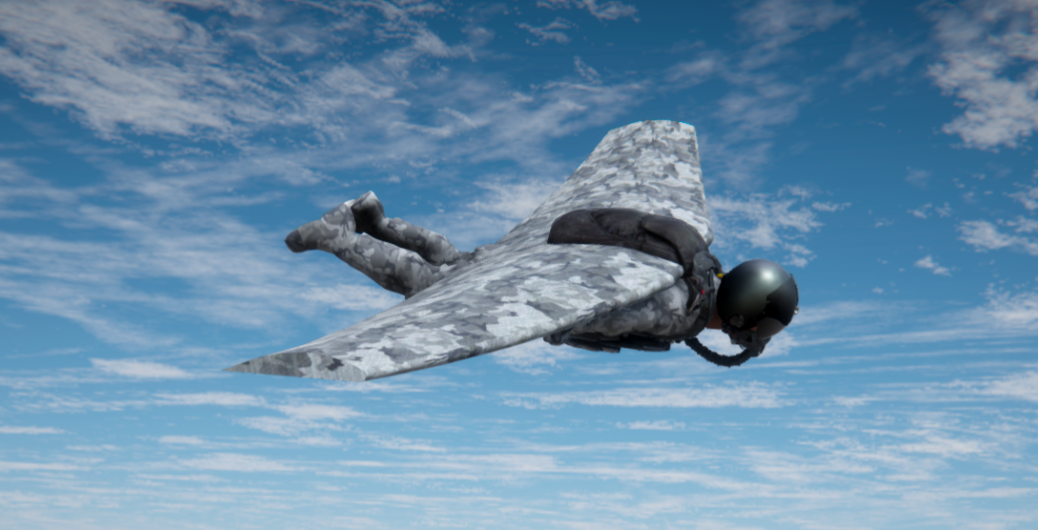
And no, Navatek’s inflatable wing concepts were never used on actual full-scale piloted aircraft; instead, their research focused on prototyping and exploring applications for squirrel wingsuits and unmanned aerial vehicles (drones)