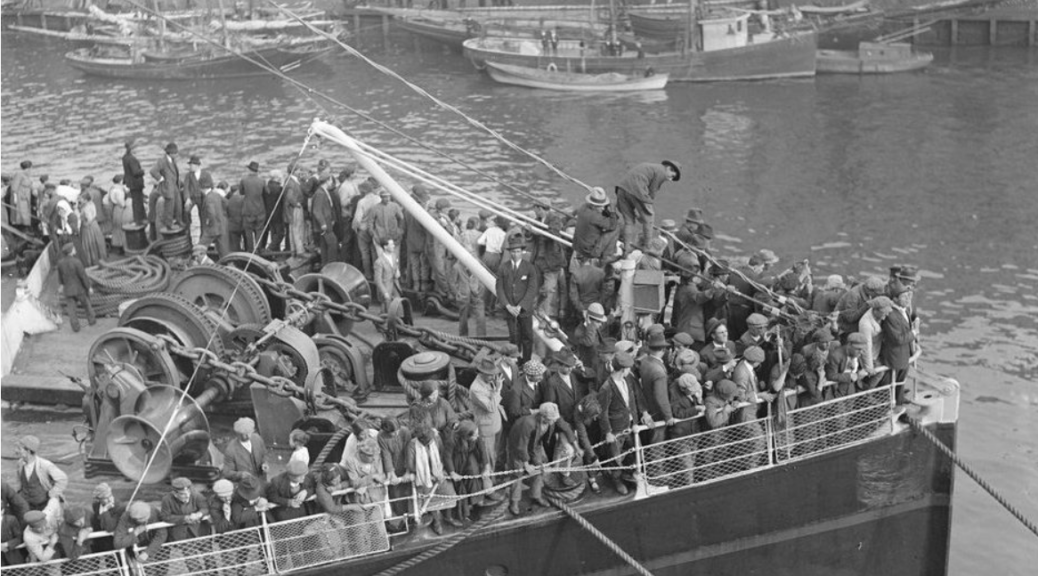
For much of American history, immigration worked very differently than it does today. Between 1880 and 1920, tens of millions of immigrants arrived in the United States during an era with few numerical limits on immigration. Who came, why were they welcomed—or opposed—and what eventually caused America to begin closing the door?
The Barn
What was our immigration policy in the late 1800s ?
The Mack
The easiest way to understand U.S. immigration from 1880 onward is as a series of fairly distinct eras. And one striking feature is that the immigration system we have today is quite different from the one the country had for most of the 20th century.
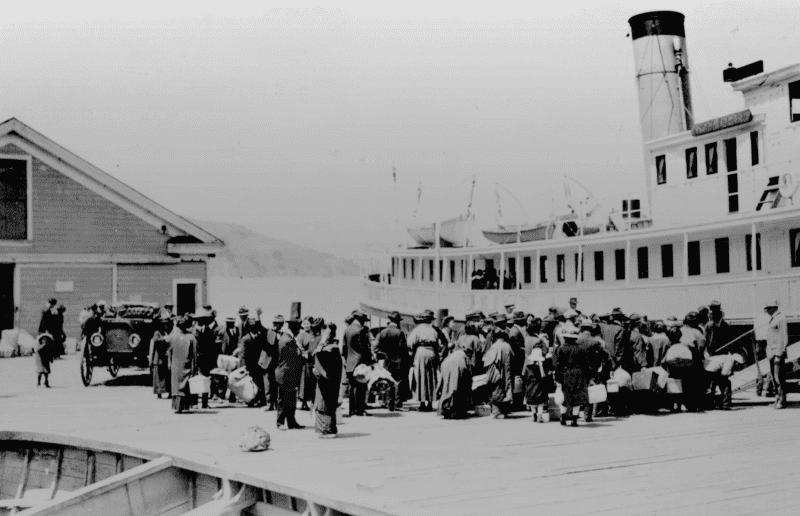
Around 1900, the United States was in the middle of one of history’s great migrations.
Between roughly 1880 and 1920, millions arrived, increasingly from Italy, Austria-Hungary, Russia, Poland and other parts of southern and eastern Europe, rather than the northern and western European countries that had supplied many earlier immigrants.
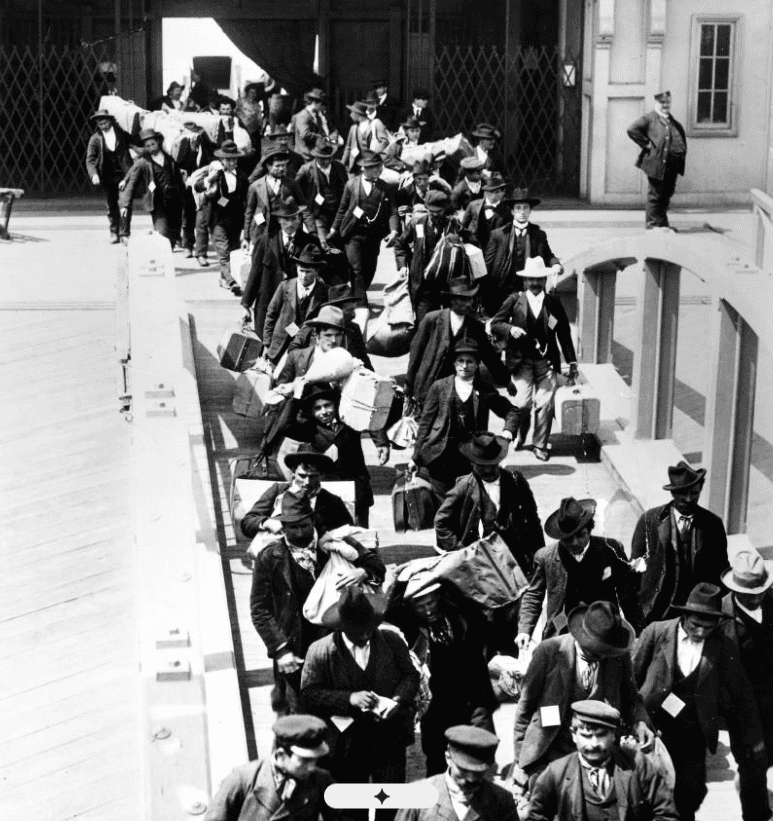
There was no general numerical ceiling on European immigration. If an immigrant arrived, passed inspection, wasn’t considered likely to become a public charge, didn’t have certain diseases or criminal problems, and wasn’t otherwise in an excluded category, he or she could generally enter.
But it wasn’t completely open immigration. The federal government had already begun excluding particular groups:
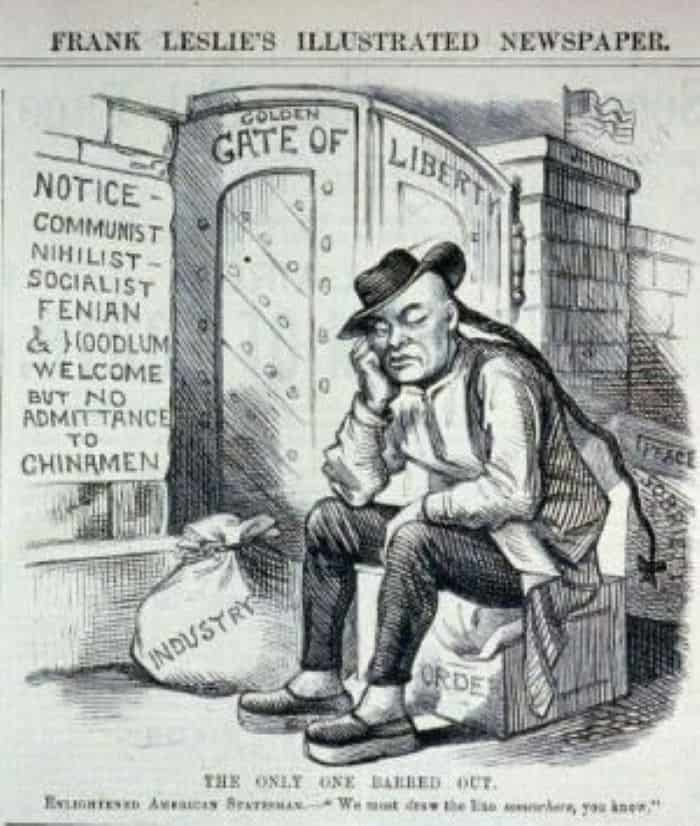
- The Chinese Exclusion Act of 1882 essentially stopped Chinese labor immigration.
- Contract labor laws restricted importing foreign workers under certain employment arrangements.
- Anarchists, people with certain diseases, prostitutes and some other categories could be excluded.
- Immigration officials could reject someone considered “likely to become a public charge.”
Mexico and Canada were comparatively unrestricted.
The Barn
Tell me a little more about the Chinese Exclusion Act of 1882
The Mack
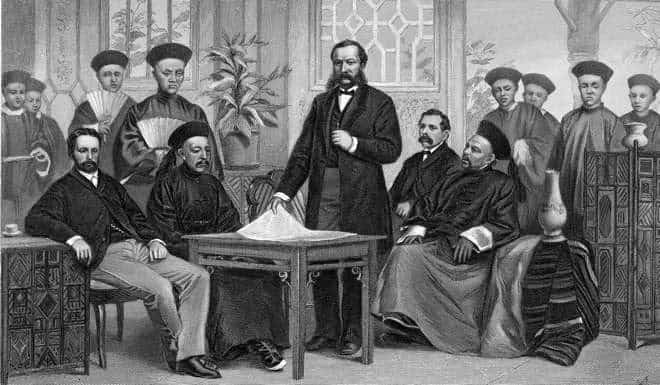
It was the first major federal immigration law to exclude people principally on the basis of nationality and class, and it helped establish the federal government’s modern role in controlling immigration
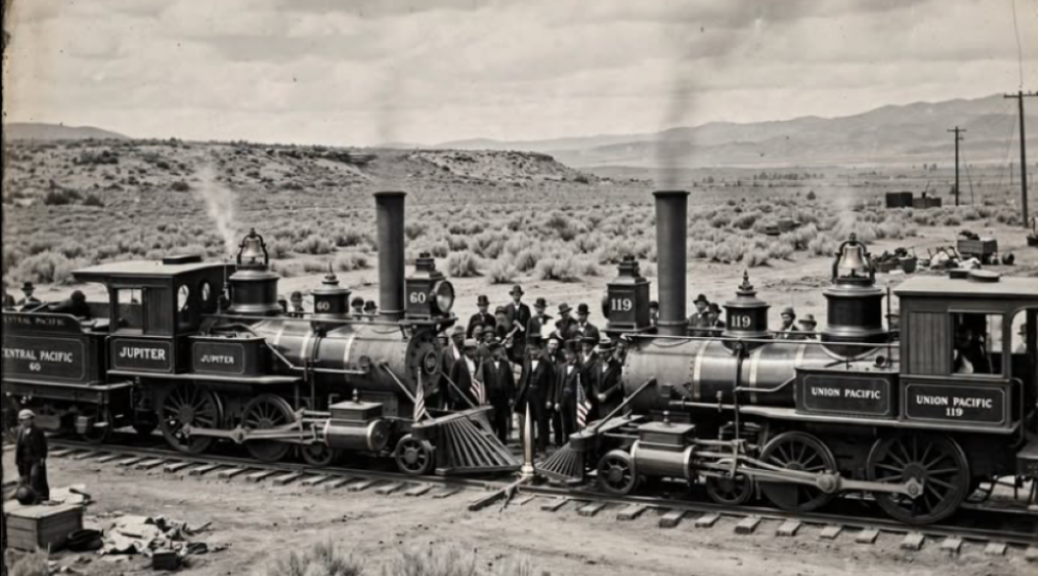
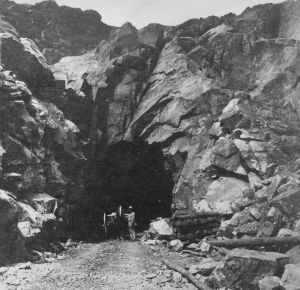
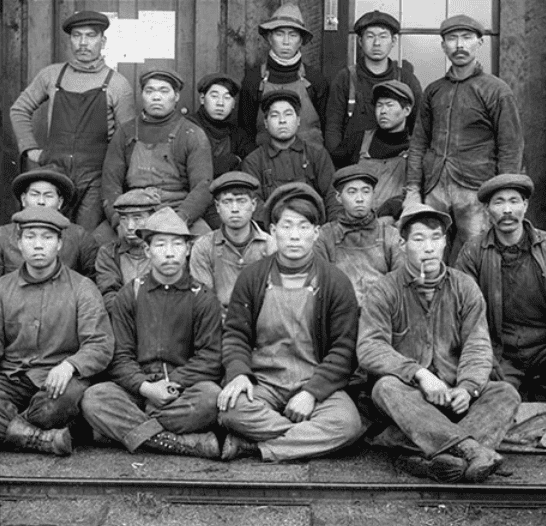
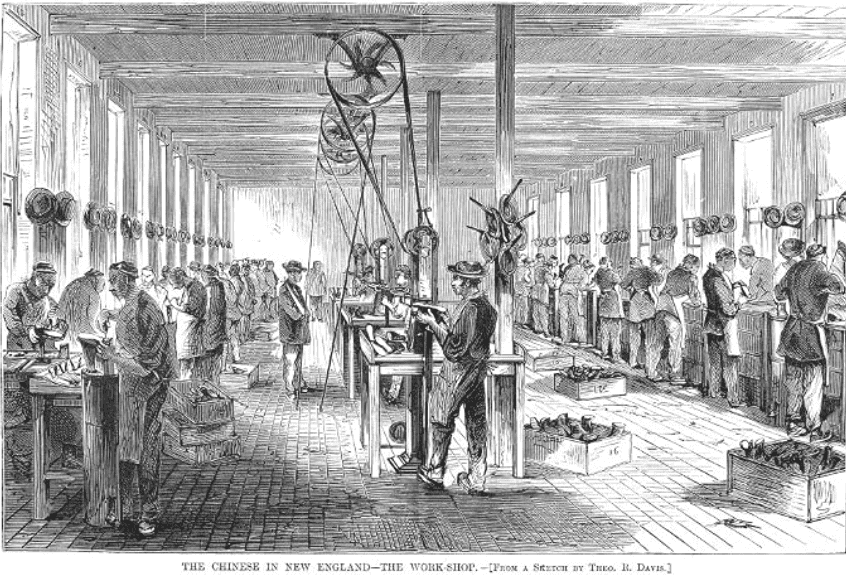
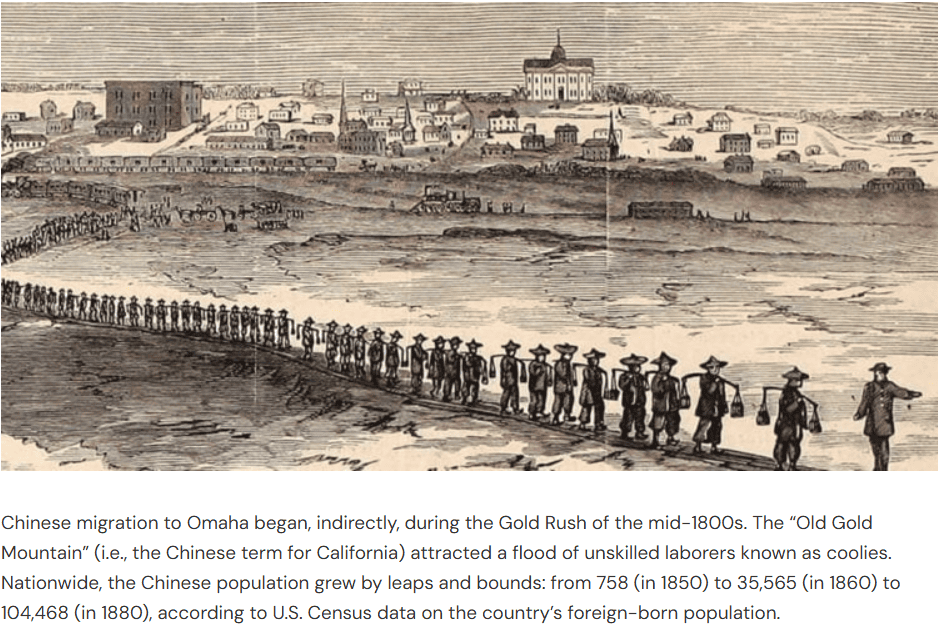
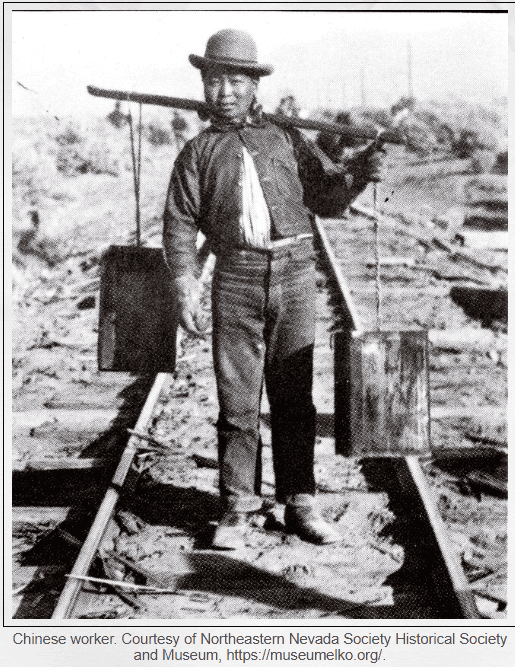
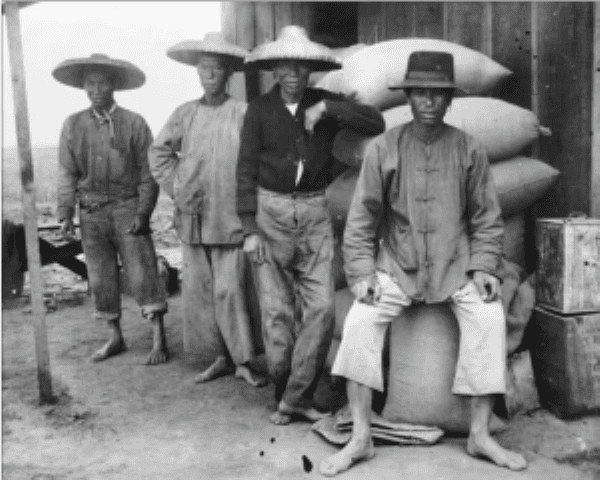
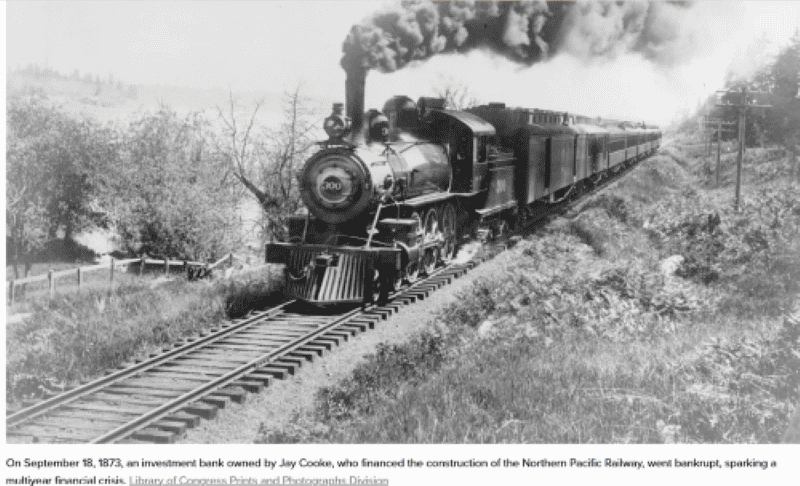
Large-scale Chinese immigration began after the California Gold Rush and accelerated with construction of the western railroads. Thousands of Chinese laborers worked on the Central Pacific portion of the transcontinental railroad and later in agriculture, mining, manufacturing, laundries and other businesses.
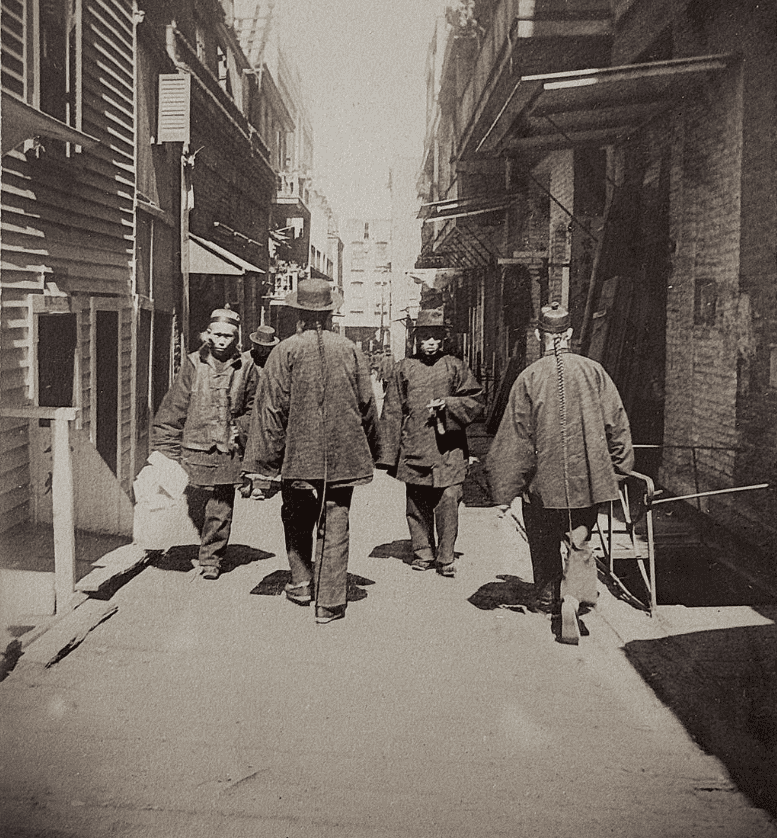
By 1880 there were roughly 105,000 Chinese-born people in the United States, overwhelmingly in the West. That was actually a tiny fraction of the national population, but the concentration in California made their presence much more conspicuous.
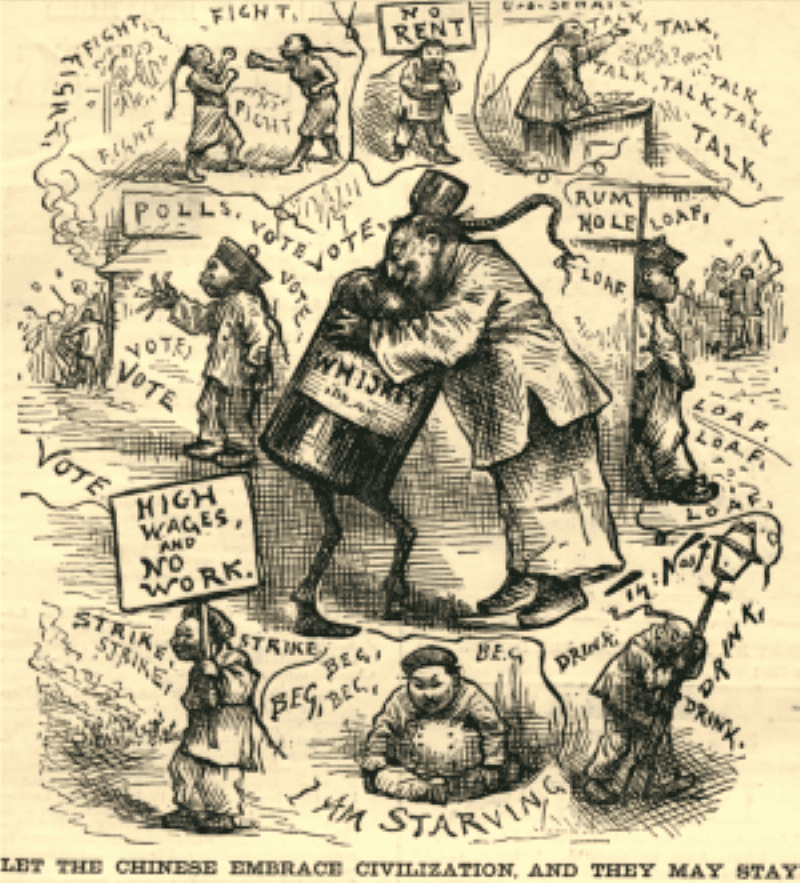
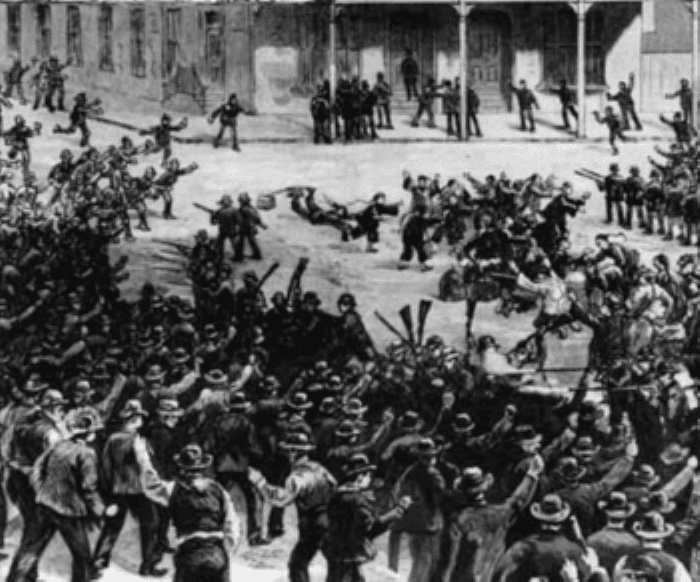
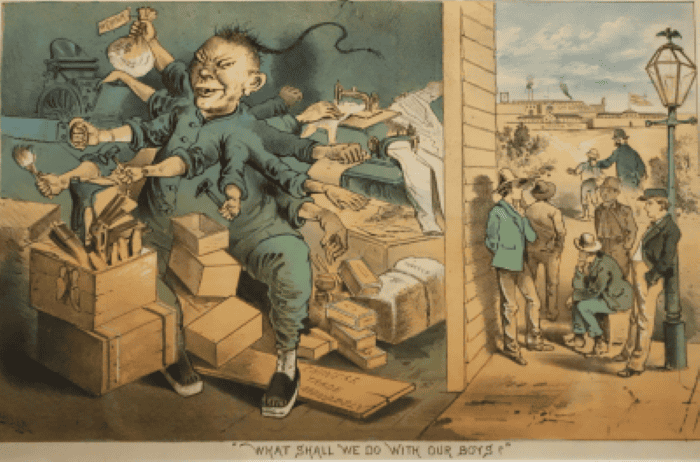
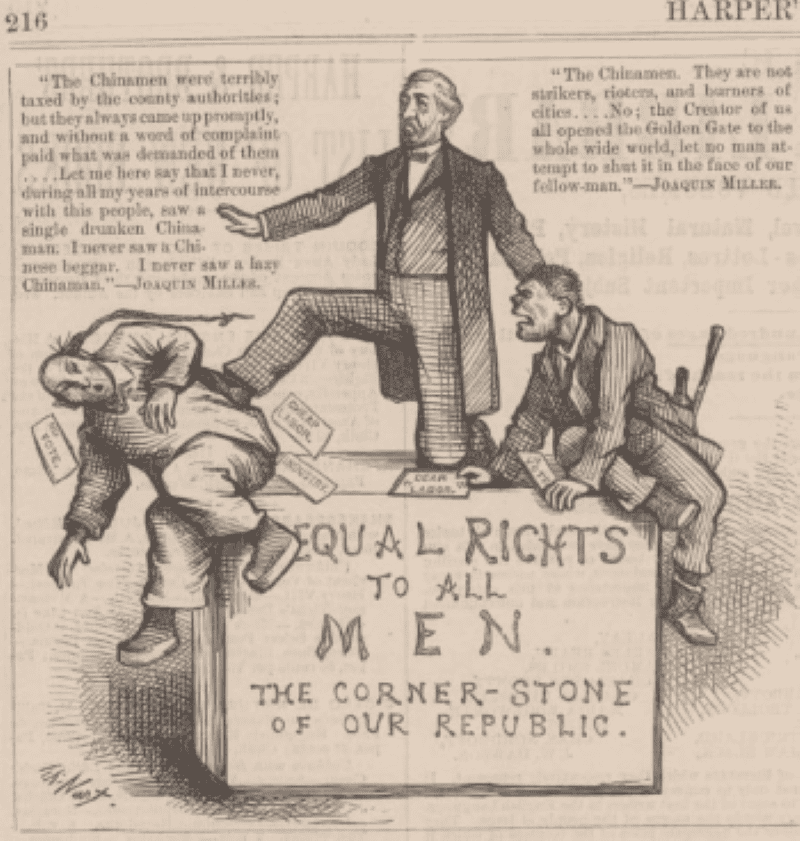
Economic competition became intertwined with overt racial hostility. Chinese workers were accused of depressing wages and taking jobs from white workers. Labor organizations became particularly important proponents of exclusion.
The Barn
Why did Chinese workers come to California in such numbers in the first place?
The Mack
The first big attraction was the California Gold Rush after 1848. Conditions in southern China also pushed migration: poverty, political turmoil and warfare, while California offered wages enormously higher than those available at home. Many migrants were young men who viewed America—Gam Saan, the “Gold Mountain”—as a place to earn money and eventually return to China.
After the Gold Rush came the trans-continental railroad.
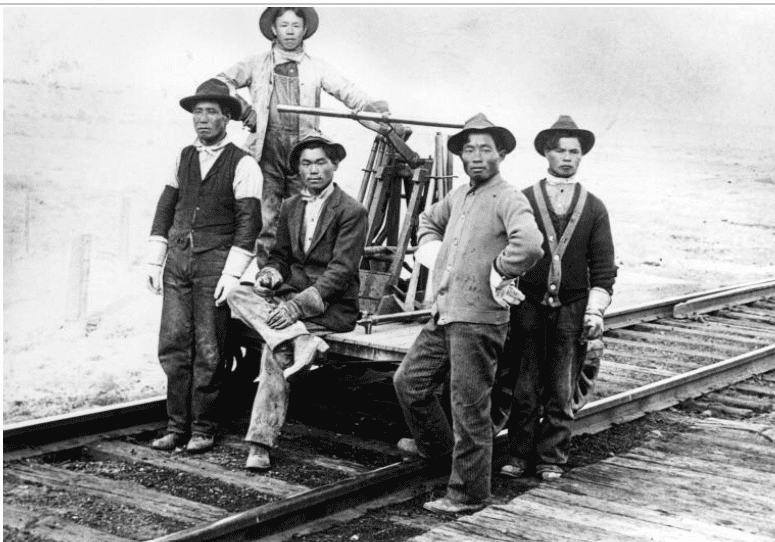
The railroad didn’t initially hire Chinese workers because it preferred Chinese people. It hired them because it needed labor. Once employers discovered that the workers were productive and comparatively inexpensive, they wanted more of them.
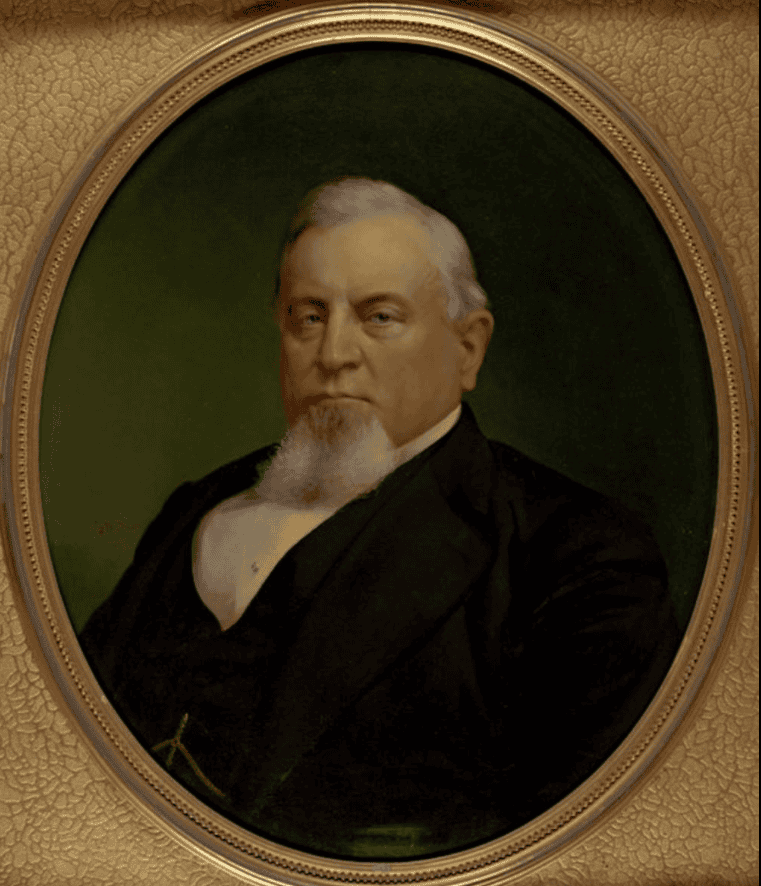
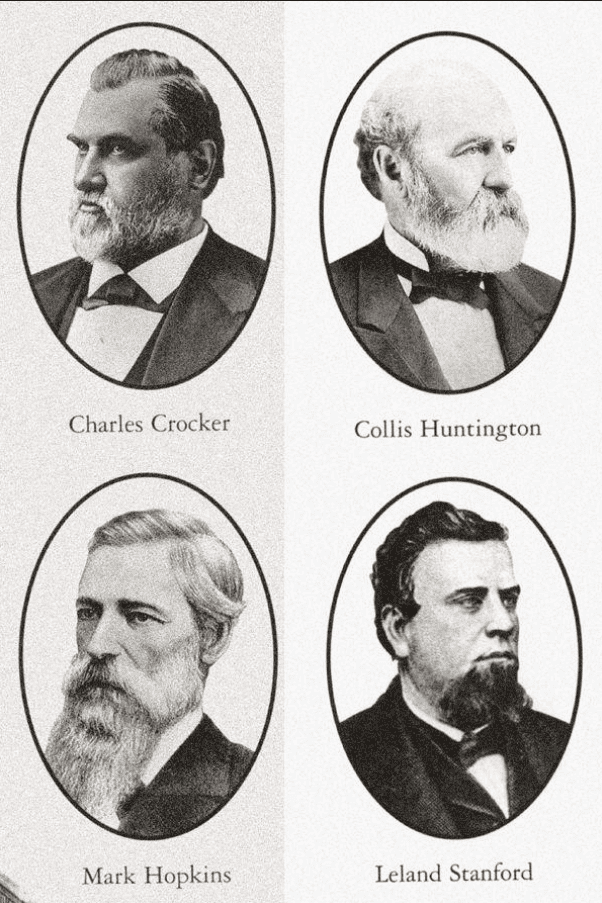
Central Pacific desperately needed labor in 1865—it had work for perhaps 4,000 men but could retain only around 800. Crocker pushed the idea of trying Chinese labor despite strong objections from construction superintendent James Strobridge. They started with about 50 Chinese workers. Their performance changed management’s opinion dramatically, and eventually Chinese workers constituted perhaps 80% of Central Pacific’s construction workforce. Crocker later recalled that when they needed something done quickly, they learned it was often better to put Chinese crews on it.
Eventually, about 11,000 Chinese workers were working on the Central Pacific by 1868. The company’s attitude changed dramatically. Chinese workers acquired a reputation among Central Pacific management for being reliable, efficient and remarkably capable workers.
The Barn
What did Chinese immigration do to the American labor market?
The Mack
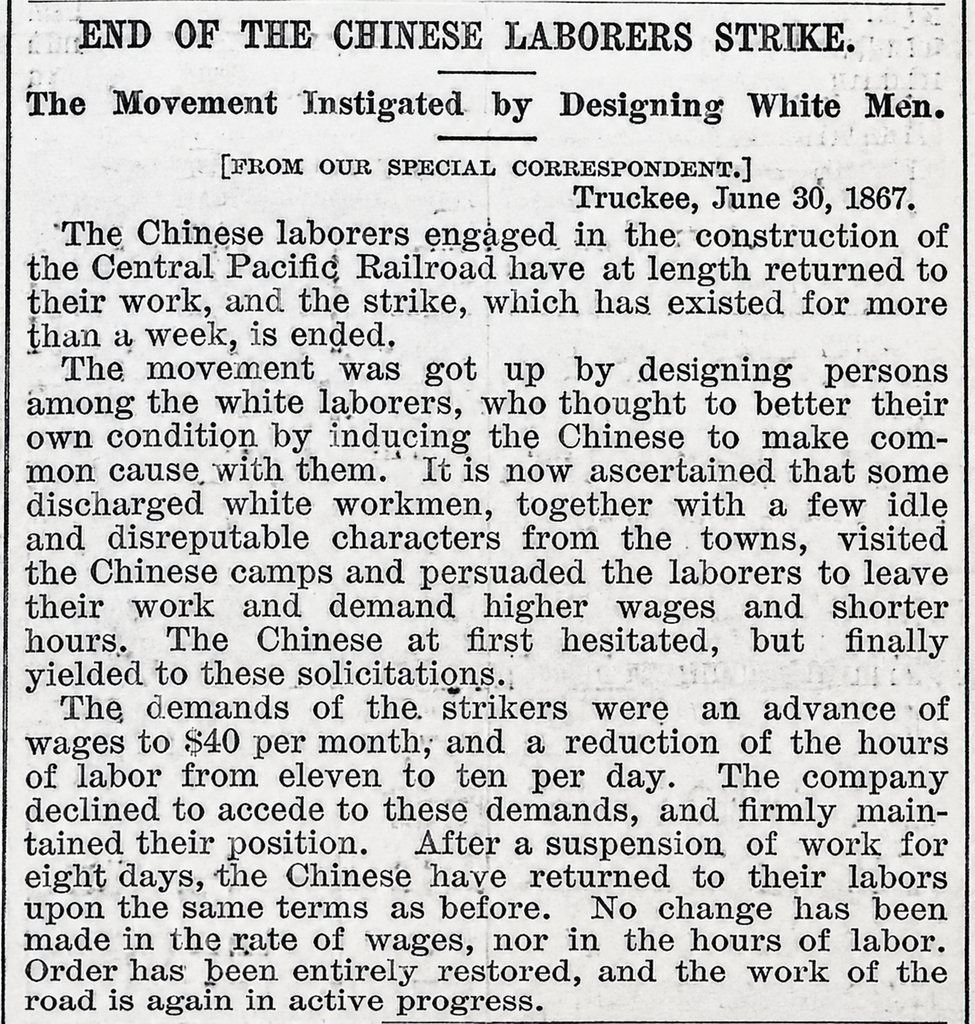
A couple things. So the nominal wage difference—$30 versus $35—understates the real disparity. The National Park Service estimates Chinese workers’ overall compensation was about 30% lower than European and European-American workers once the different treatment is taken into account.
The disparity was maintained by a familiar tactic, used throughout our history… busting the workers’ strike.
Secondly, the Chinese experience suggests something much more interesting: immigrant labor can simultaneously compete with some American workers, complement others, lower employers’ costs, increase production and create additional jobs elsewhere in the economy. If you remove that labor, you have to trace ALL of those effects—not merely count the job that the immigrant previously occupied.
Next up…
1917–1924: America closes the door
World War I, nationalism, labor concerns and fears about the enormous immigration wave changed the political climate. This brought on the biggest immigration-policy reversal in