Changes to U.S. immigration policy in the past 100 years; goals and reality often did not match up
The Barn
Set the scene for me: how was U.S. immigration governed in the decades prior to passage of the Hart-Celler Act of 1965, officially called the Immigration and Nationality Act?
The Mack
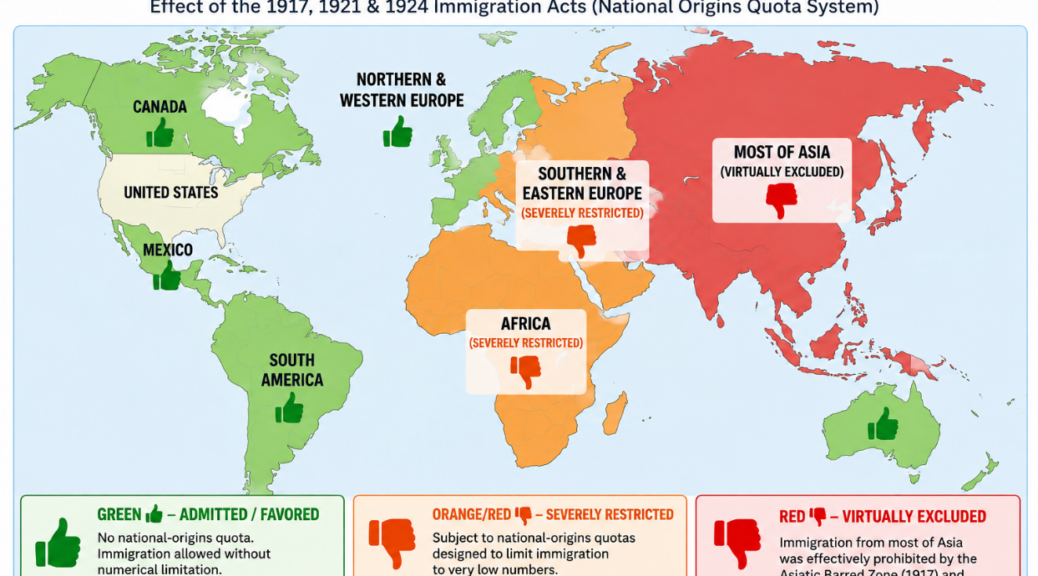
The Immigration Act of 1924 established a national-origins quota system that heavily favored immigrants from Northern and Western Europe. The system was designed to preserve the existing ethnic composition of the United States.
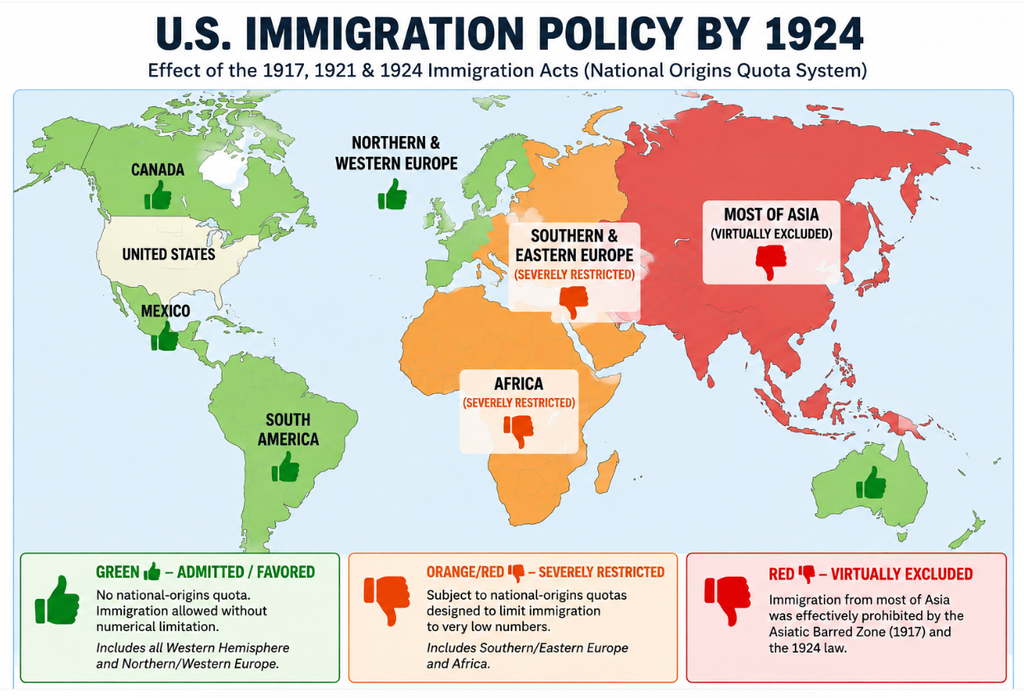
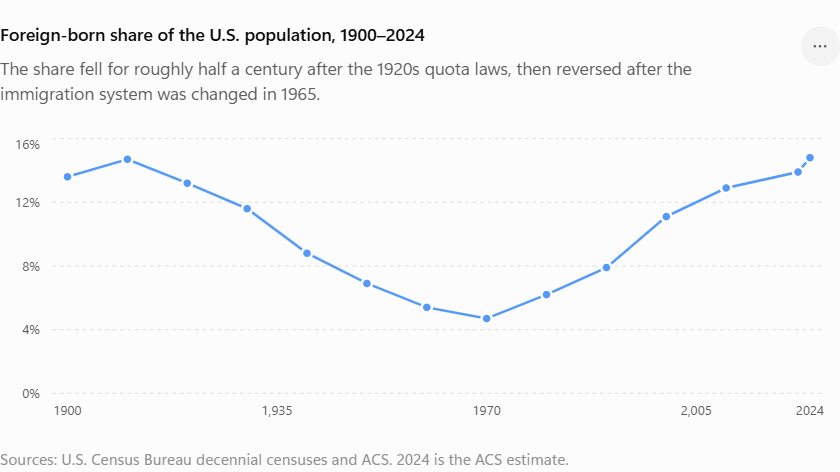
Under the quota system, immigrants from Britain and Germany received relatively generous allocations, while immigrants from Italy, Greece, and much of Eastern Europe faced severe restrictions.
Immigration from the Western Hemisphere was not subject to the national-origins numerical quotas. That meant Mexico and other Latin American countries operated under a different system from Europe and Asia.
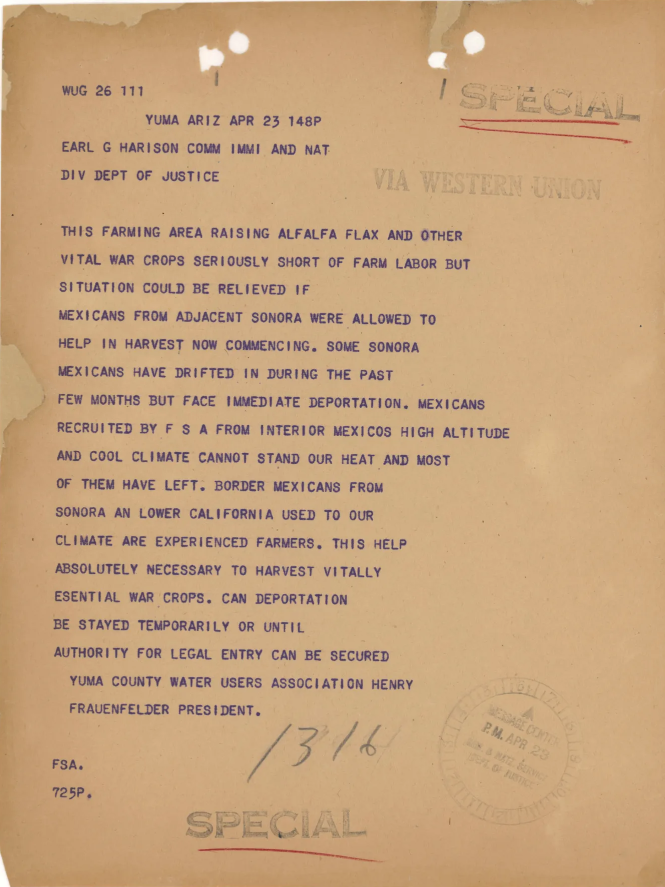
Beginning in 1942, the United States had recruited temporary Mexican agricultural workers through the Bracero Program. Over its lifetime, the program recorded approximately 4.6 million worker admissions, including repeat admissions.
The Barn
So, during the lifetime of the Bracero program, 1942-1964 , more than 200,000 Mexicans crossed the border into the United States each year, primarily seeking jobs in agriculture, correct?
The Mack
Over the program’s 22-year history, that averages roughly 209,000 admissions per year. Many Mexican workers participated in the program repeatedly, returning to Mexico when their contracts expired and coming back for subsequent agricultural seasons. Consequently, 4.6 million admissions does not mean 4.6 million different Mexicans immigrated to the United States.
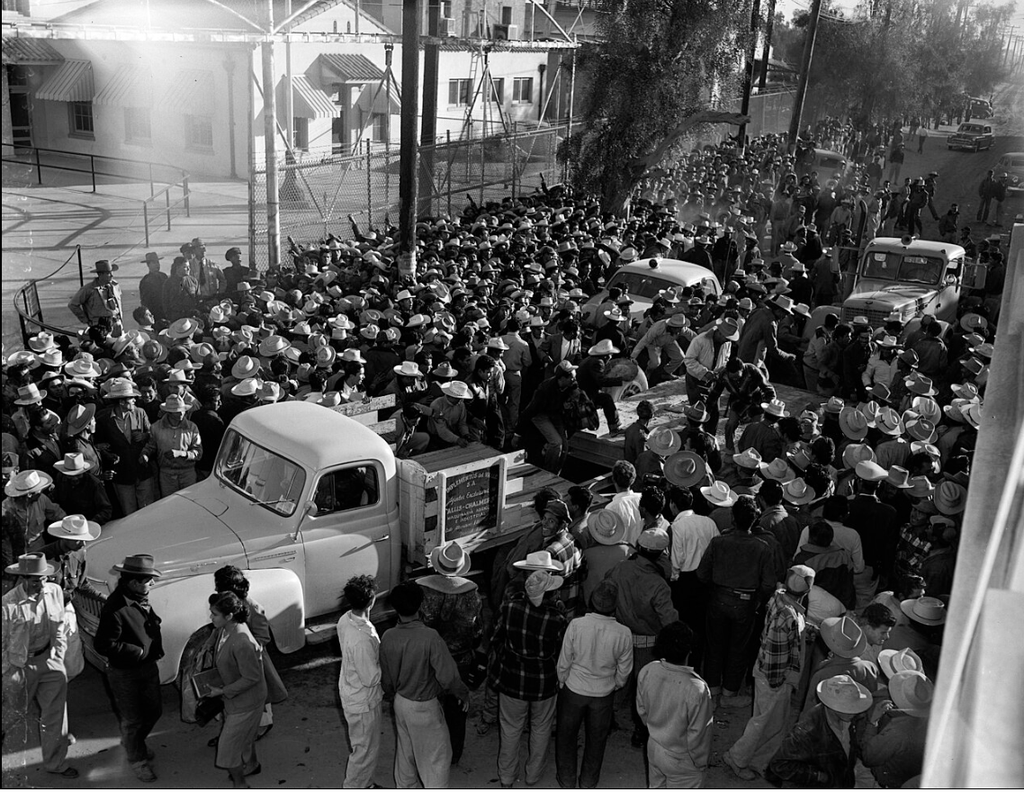
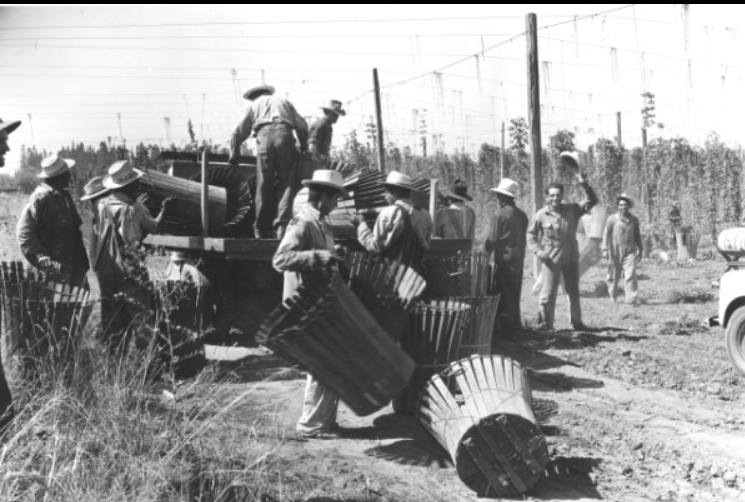
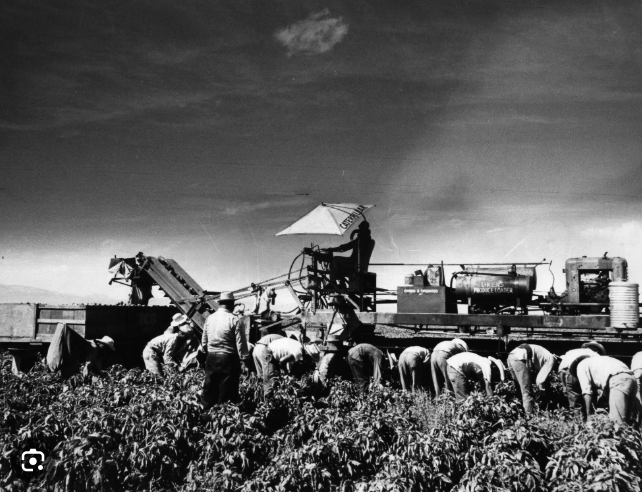
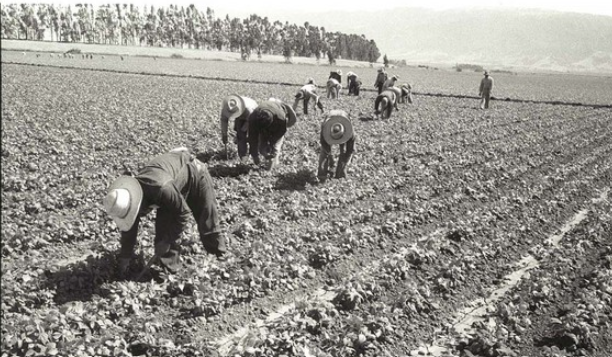
The program began relatively modestly during World War II and expanded substantially during the 1950s. By the late 1950s, American agriculture had developed a system that accommodated approximately 400,000 temporary Mexican worker admissions annually.