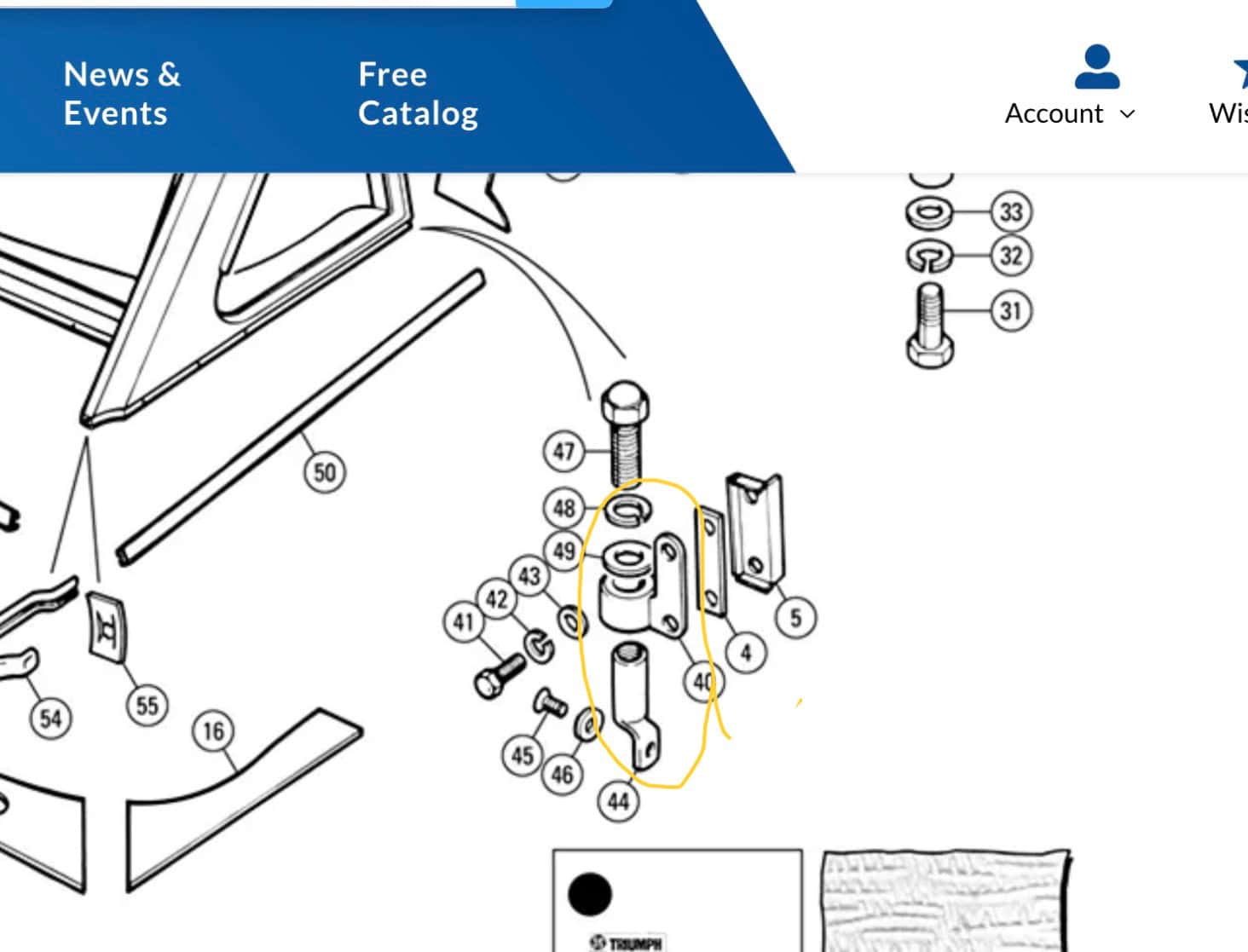
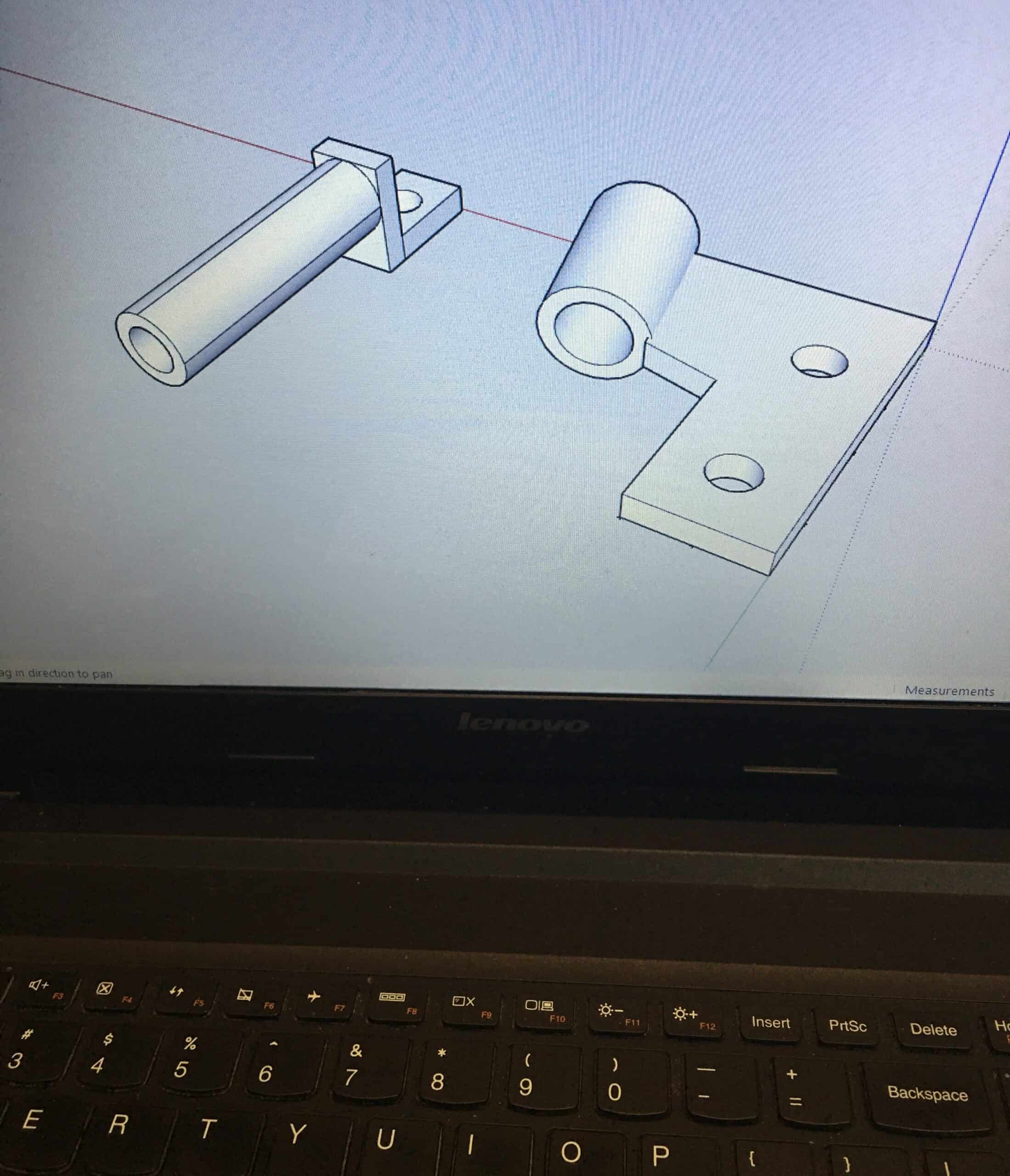
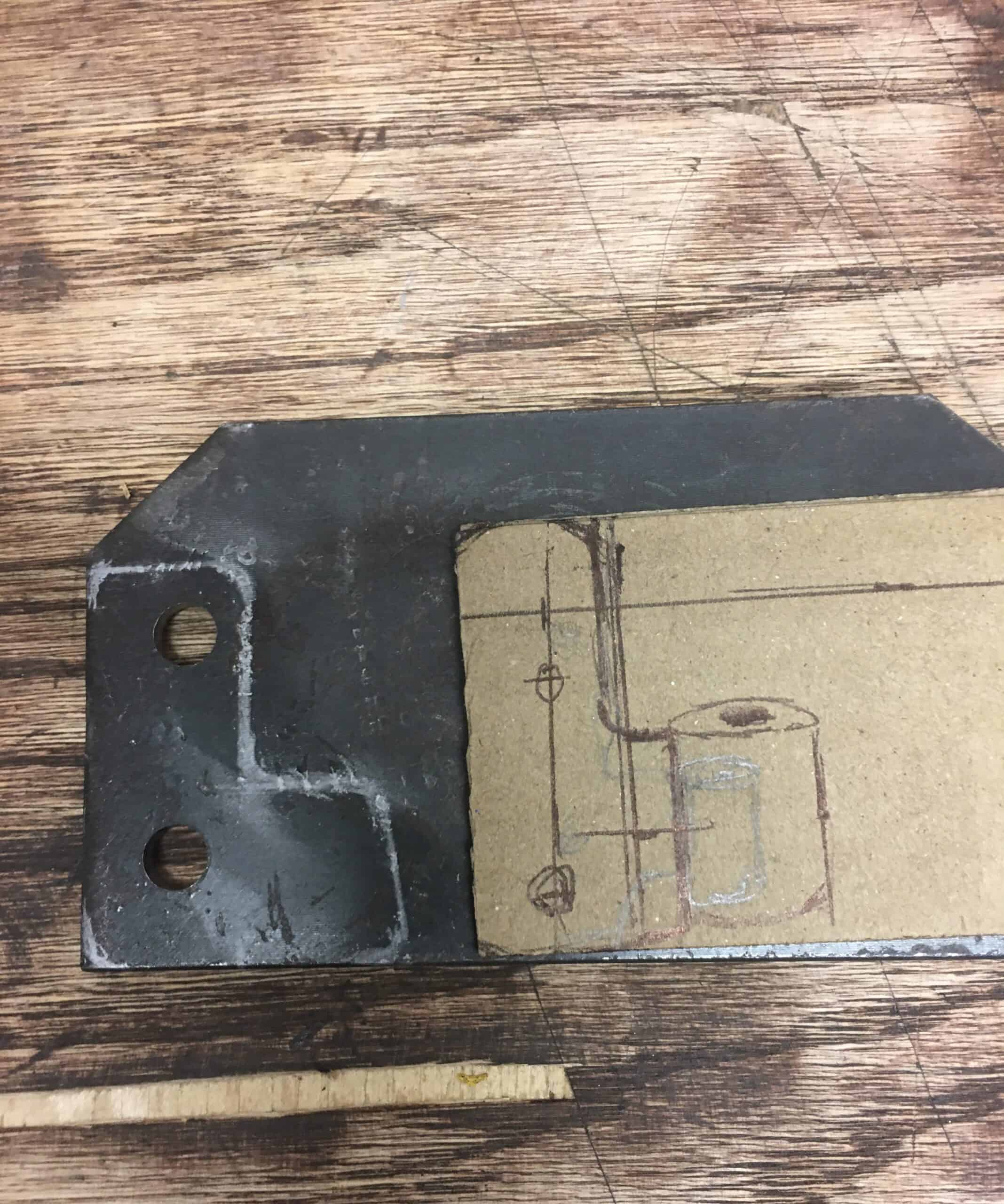
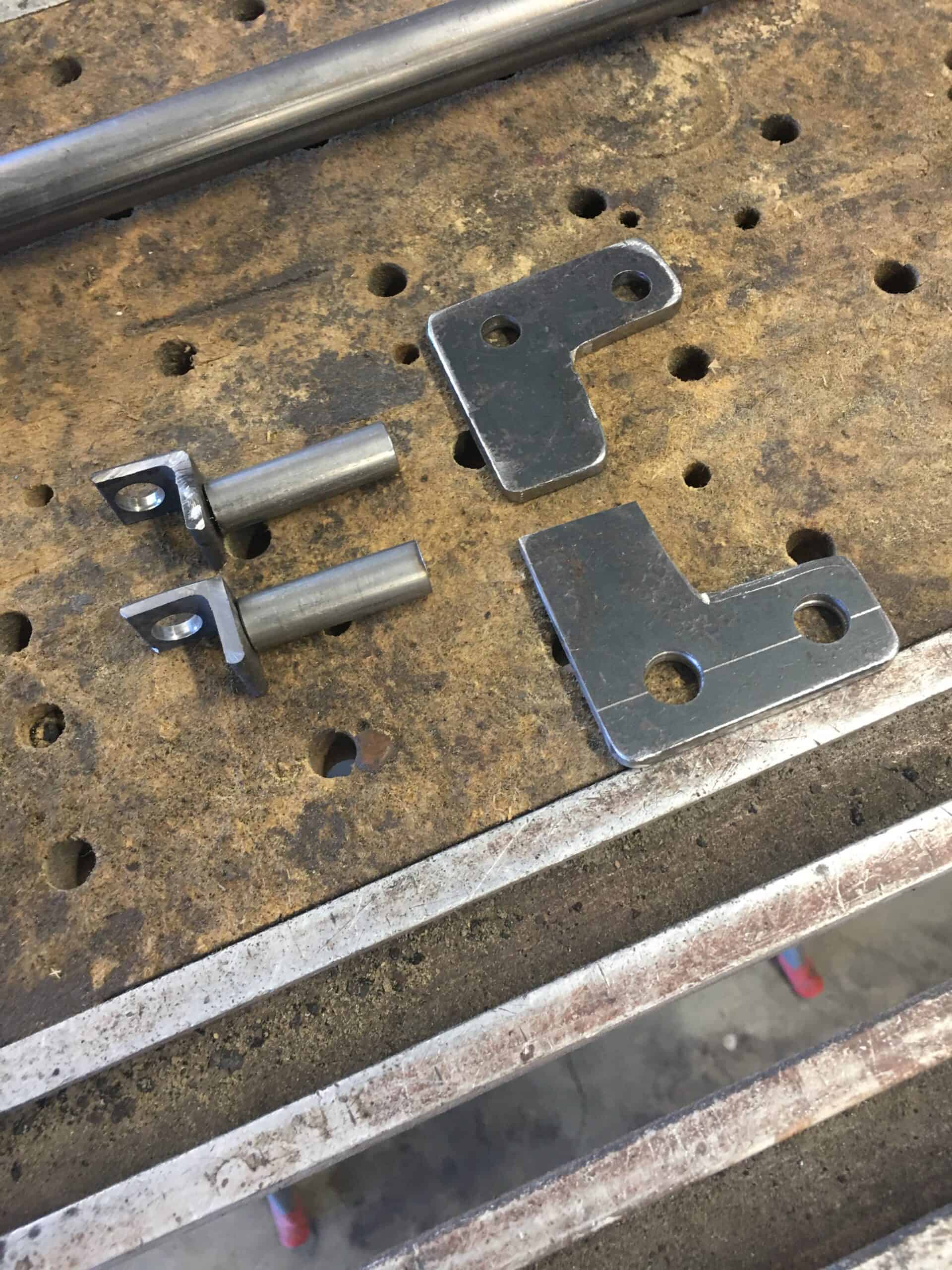
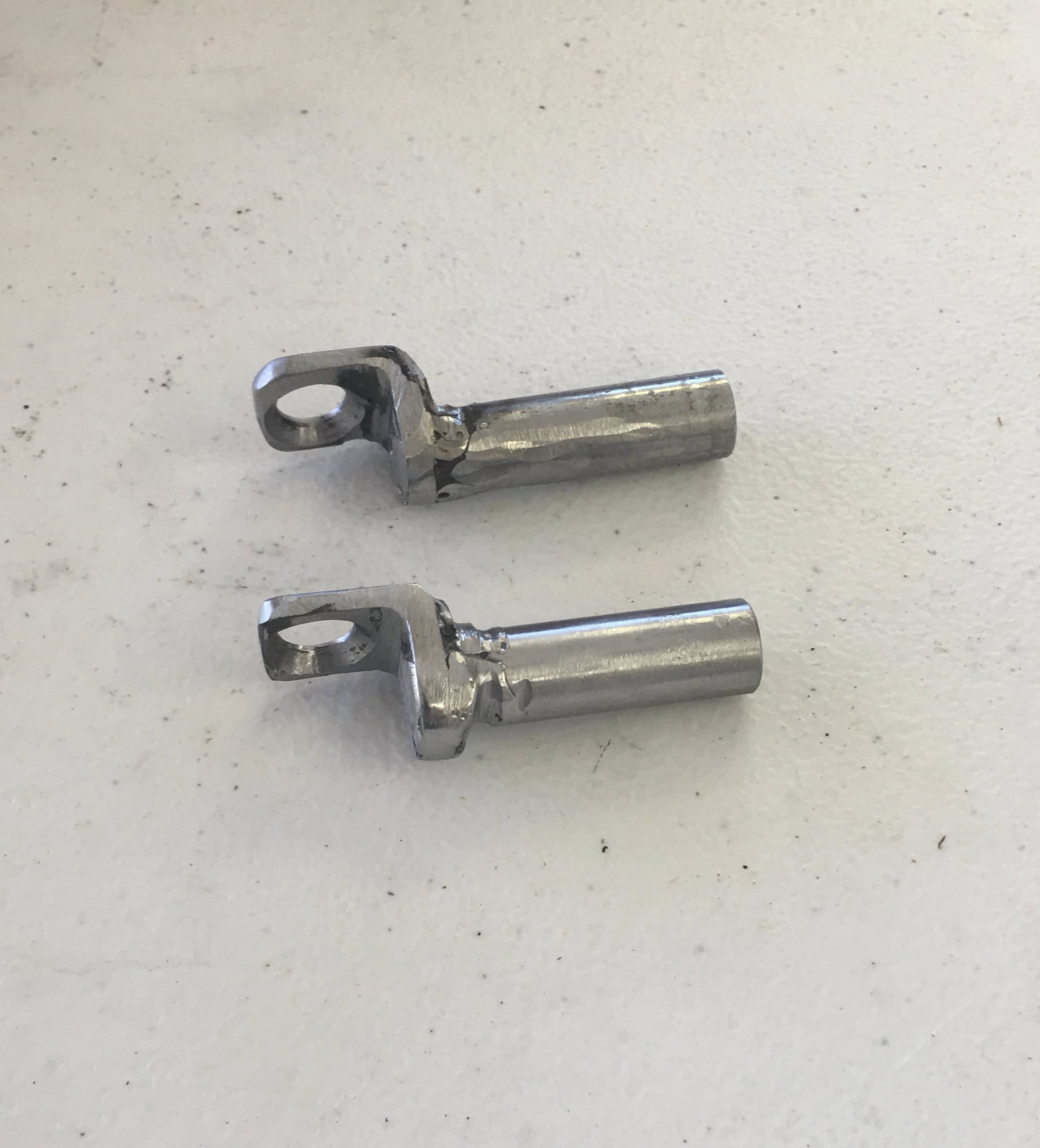
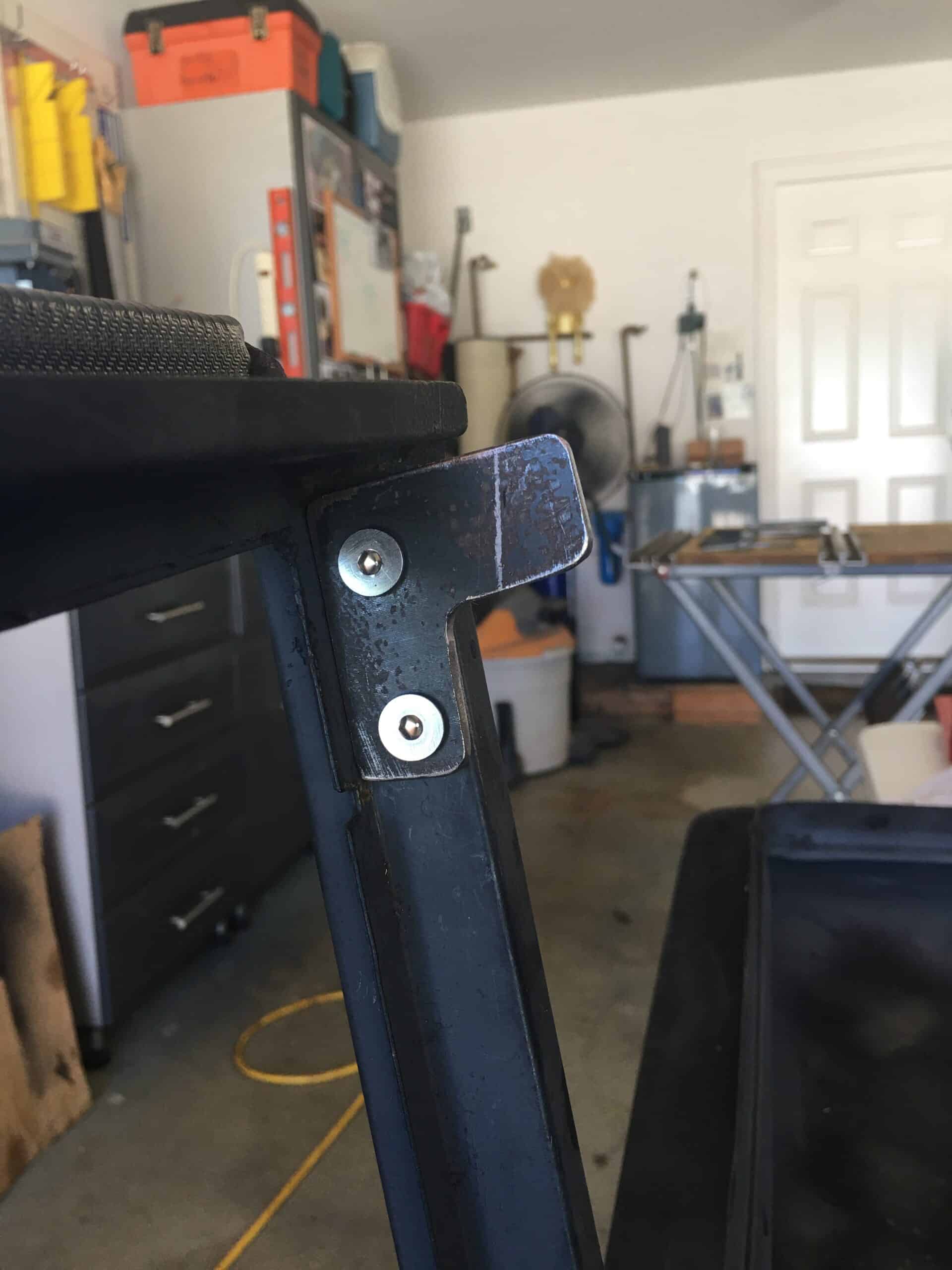
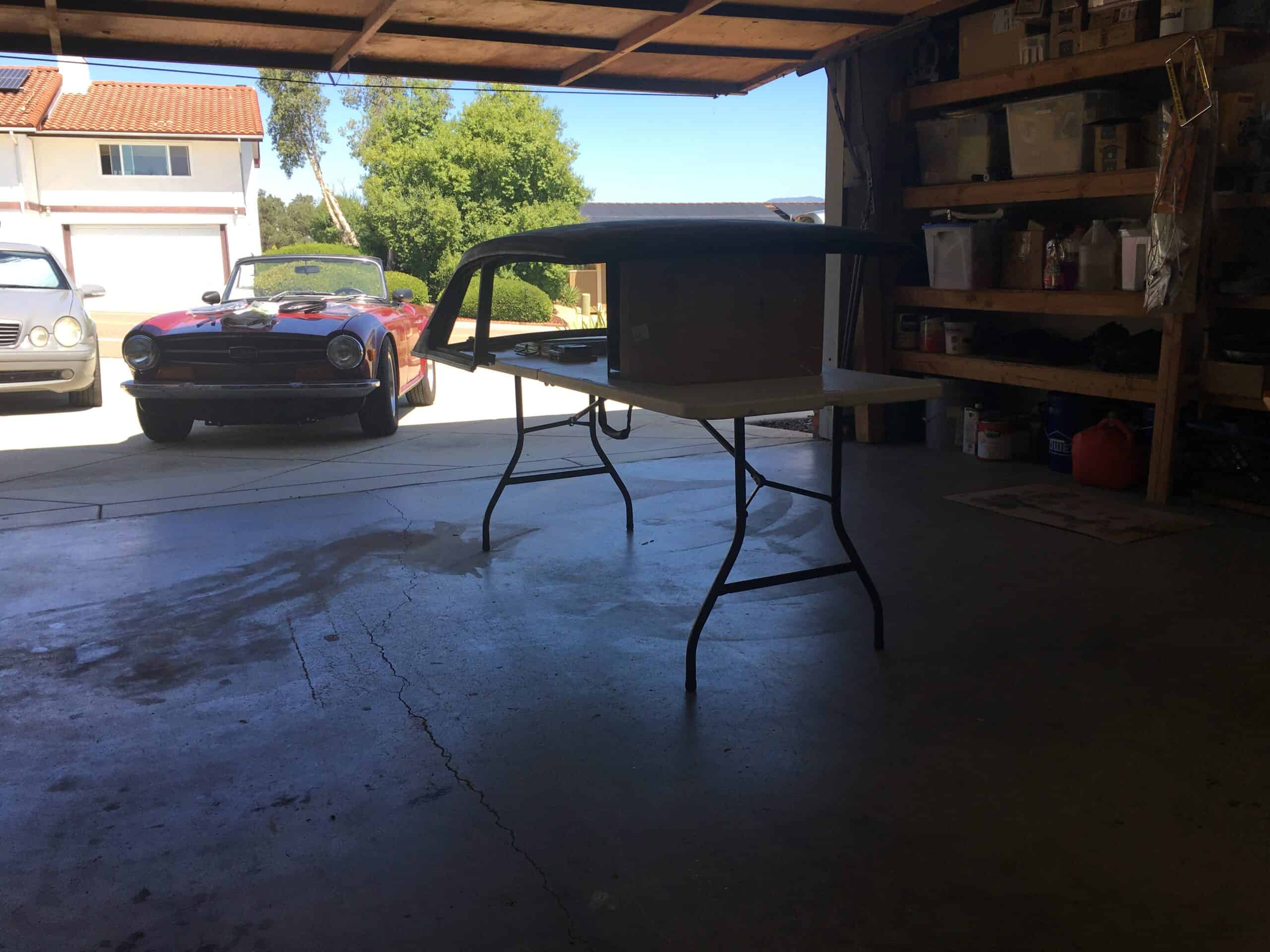
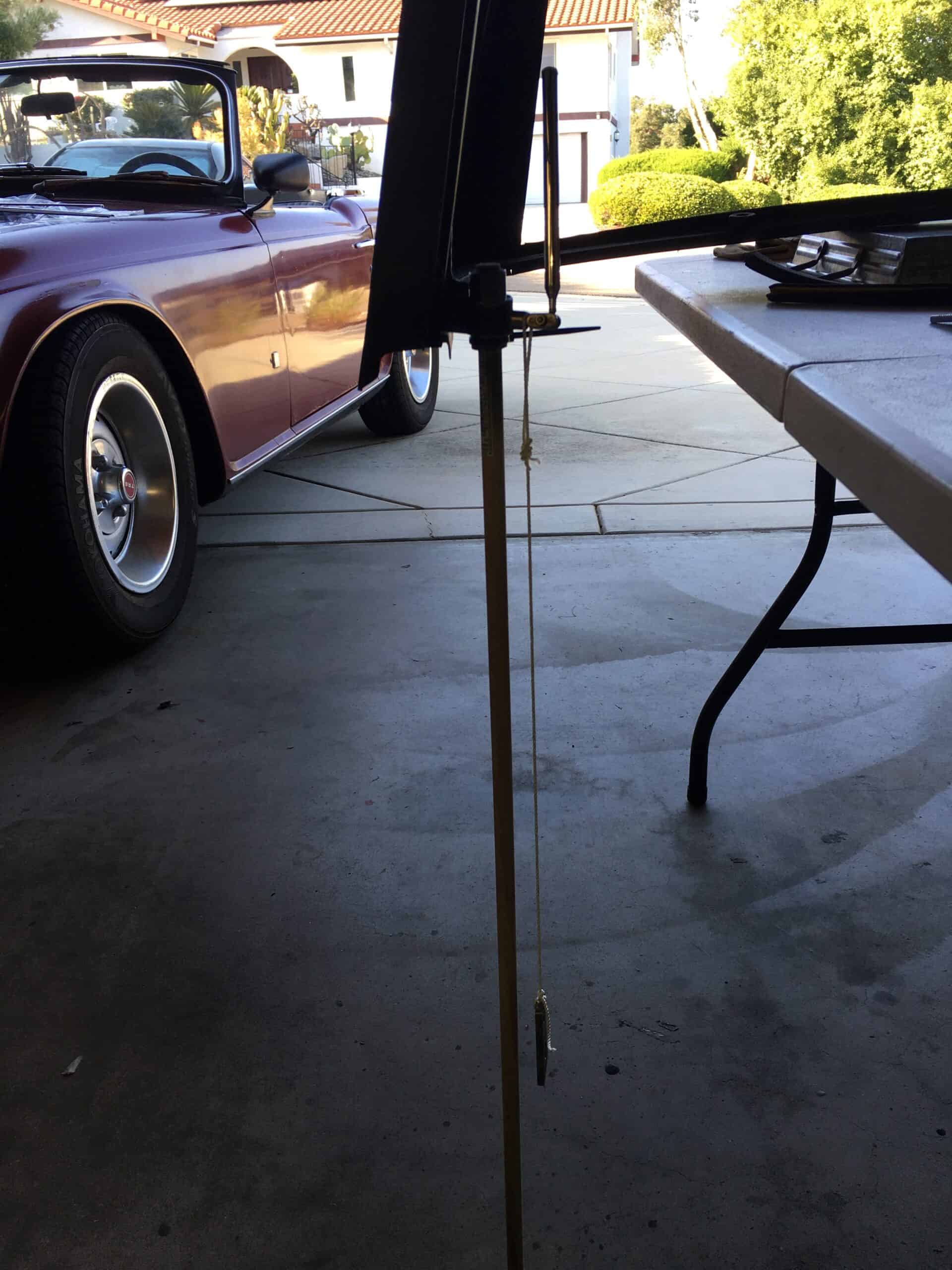
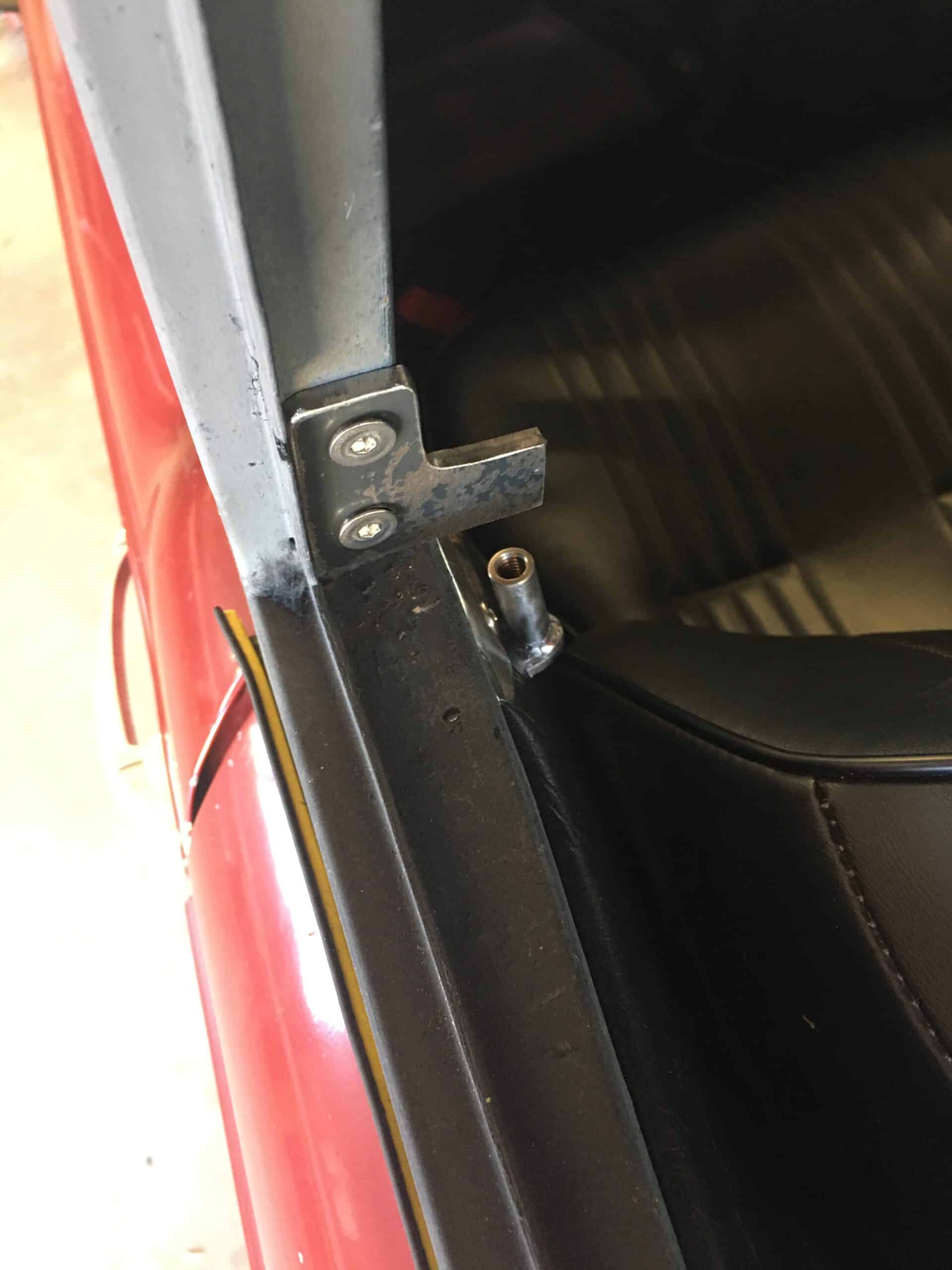
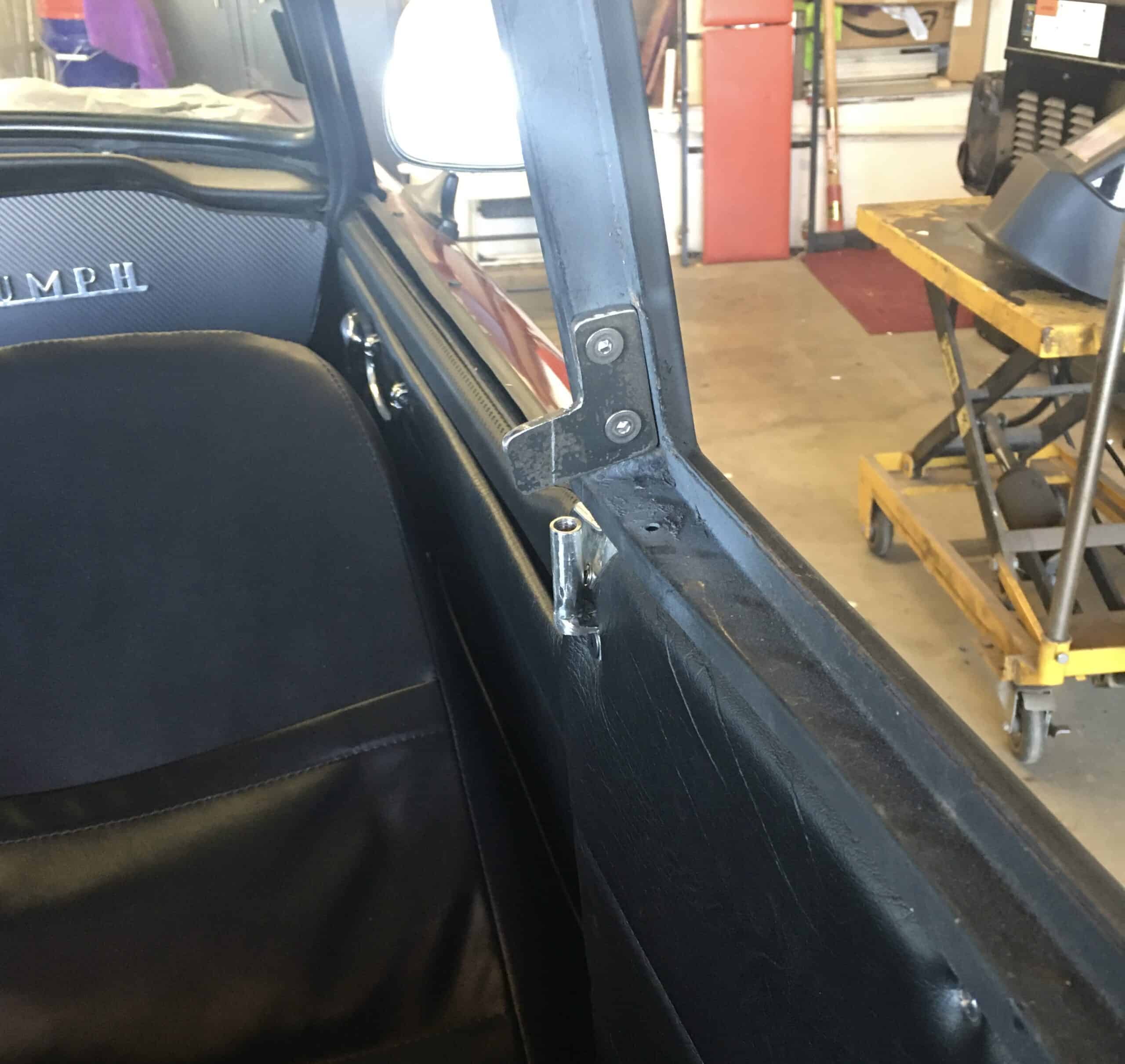
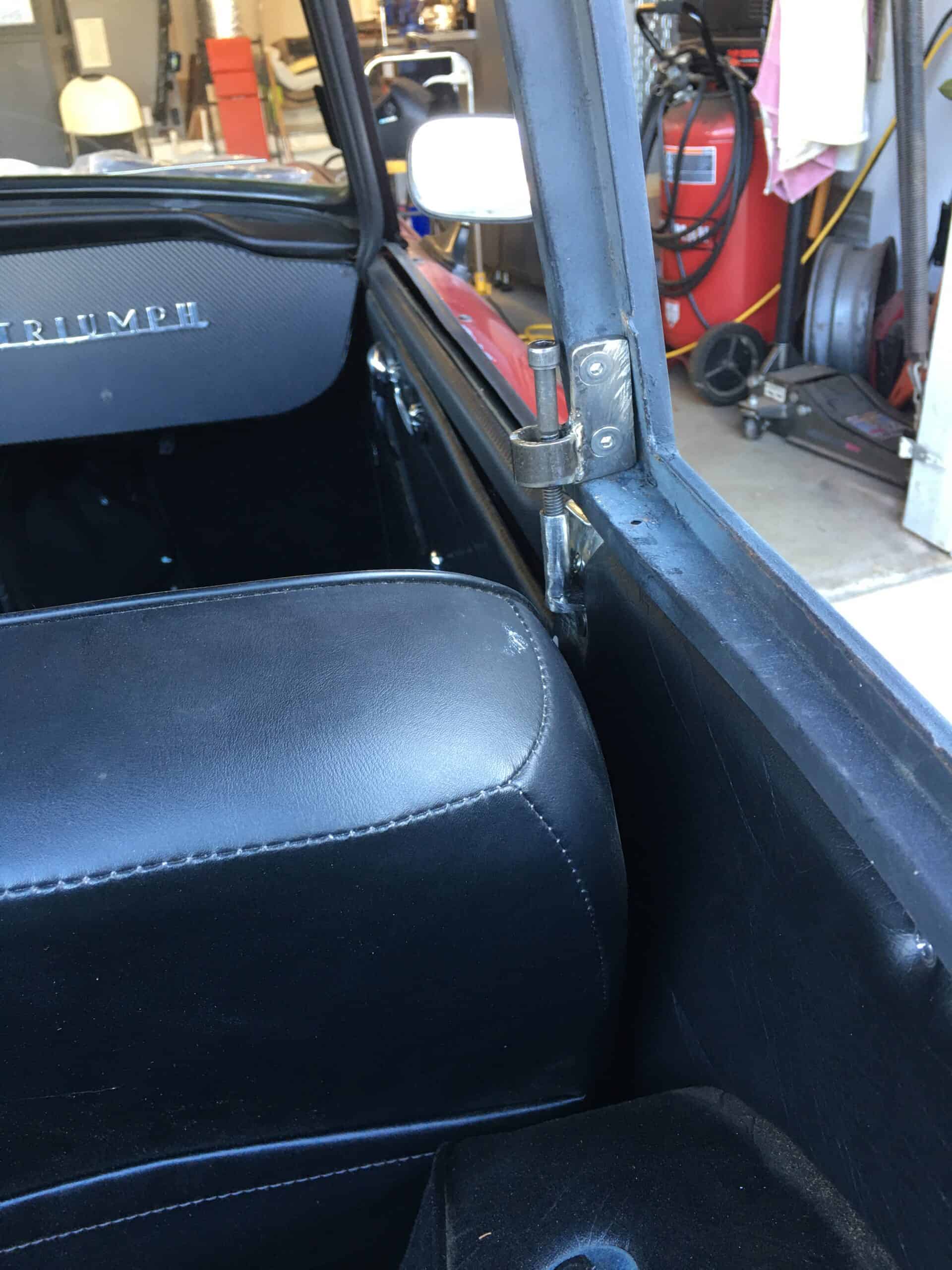
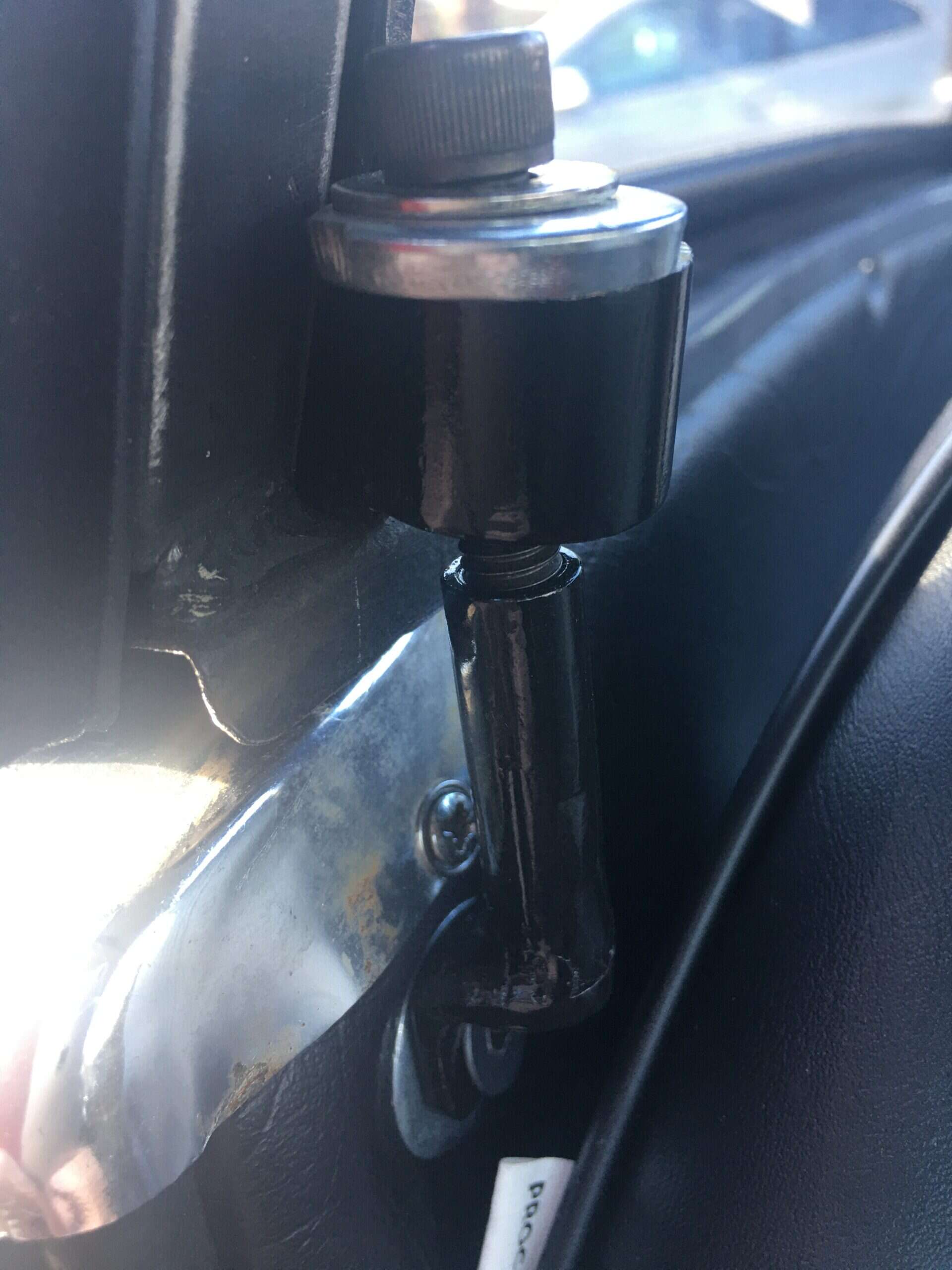
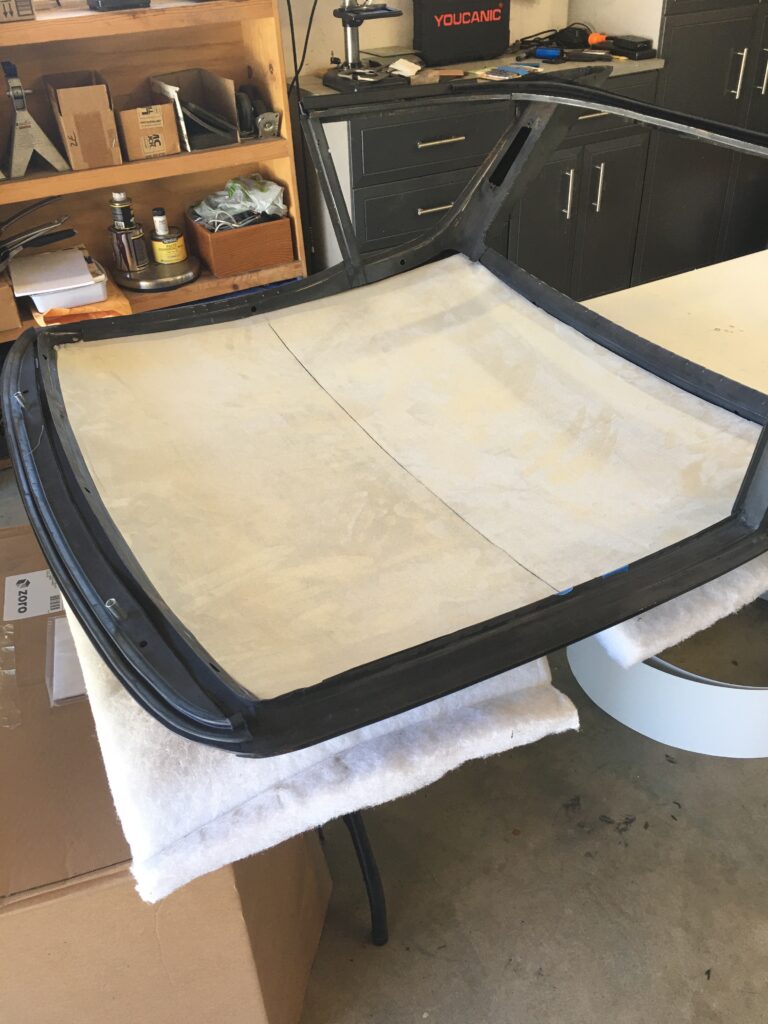
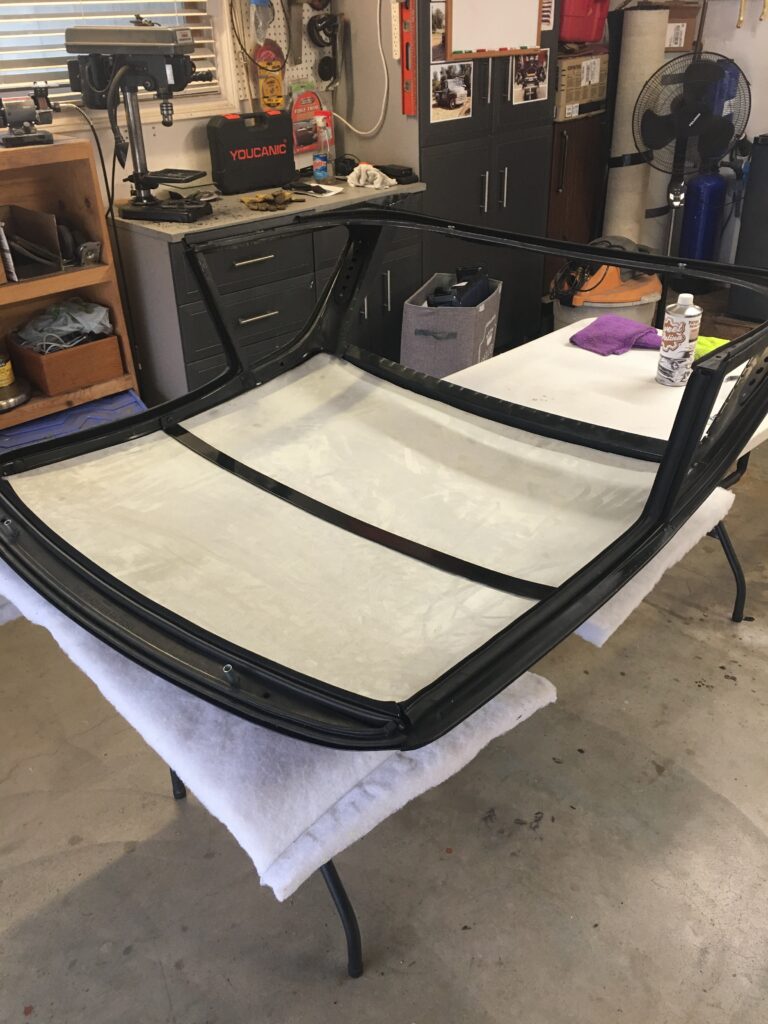
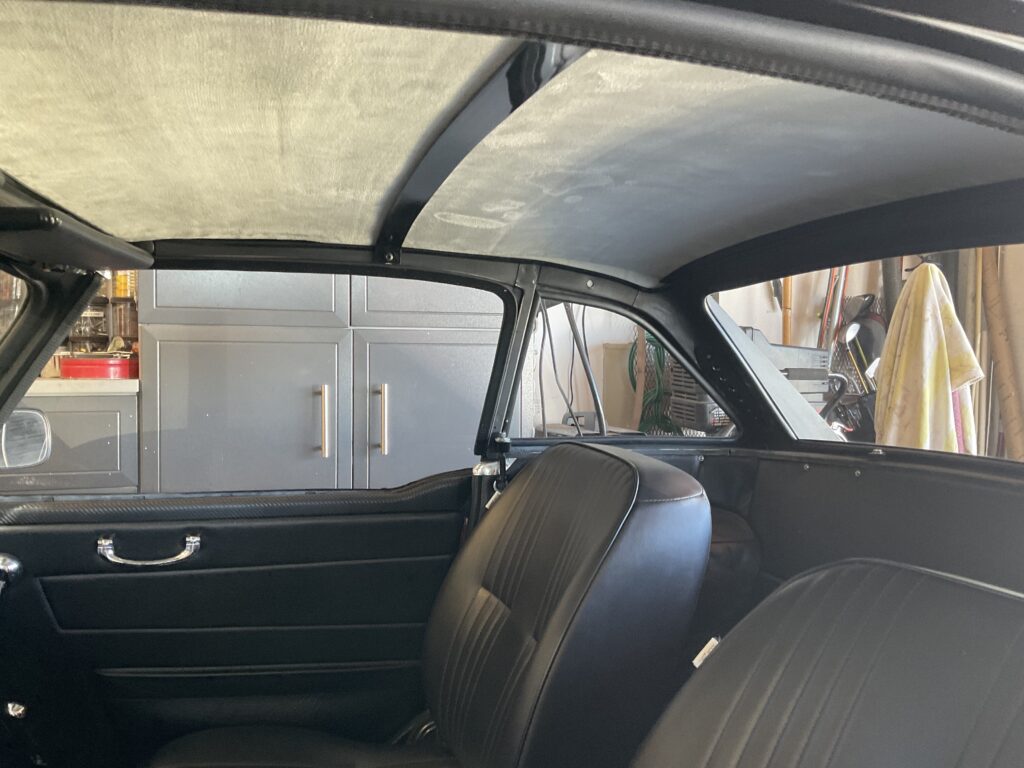
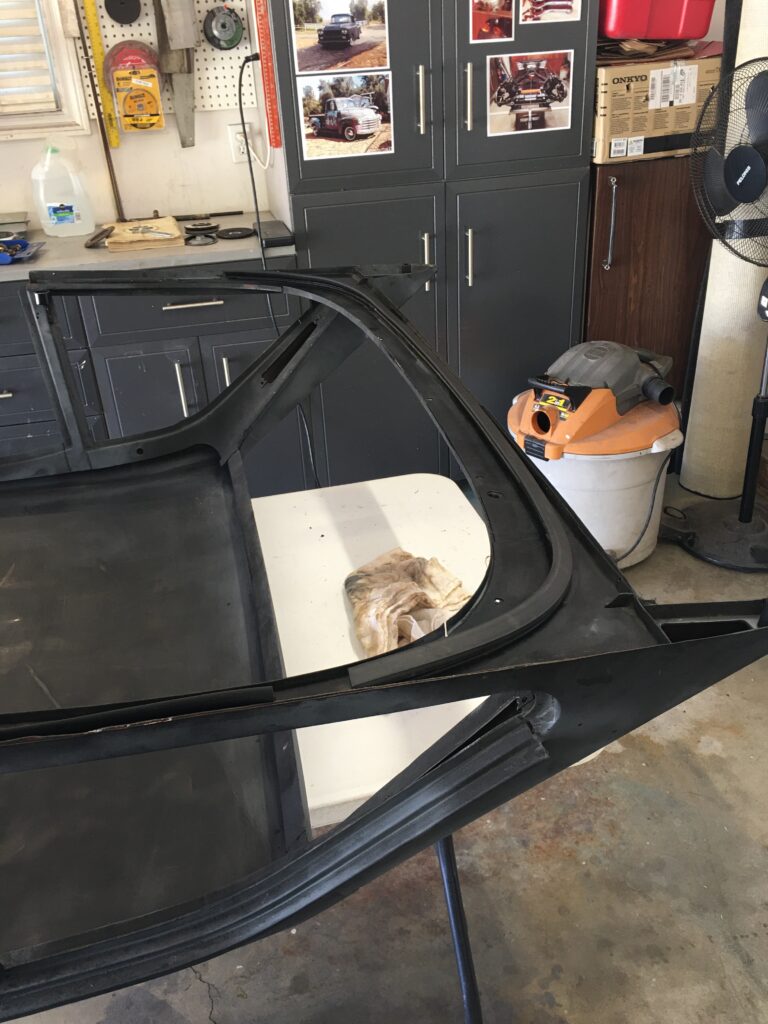
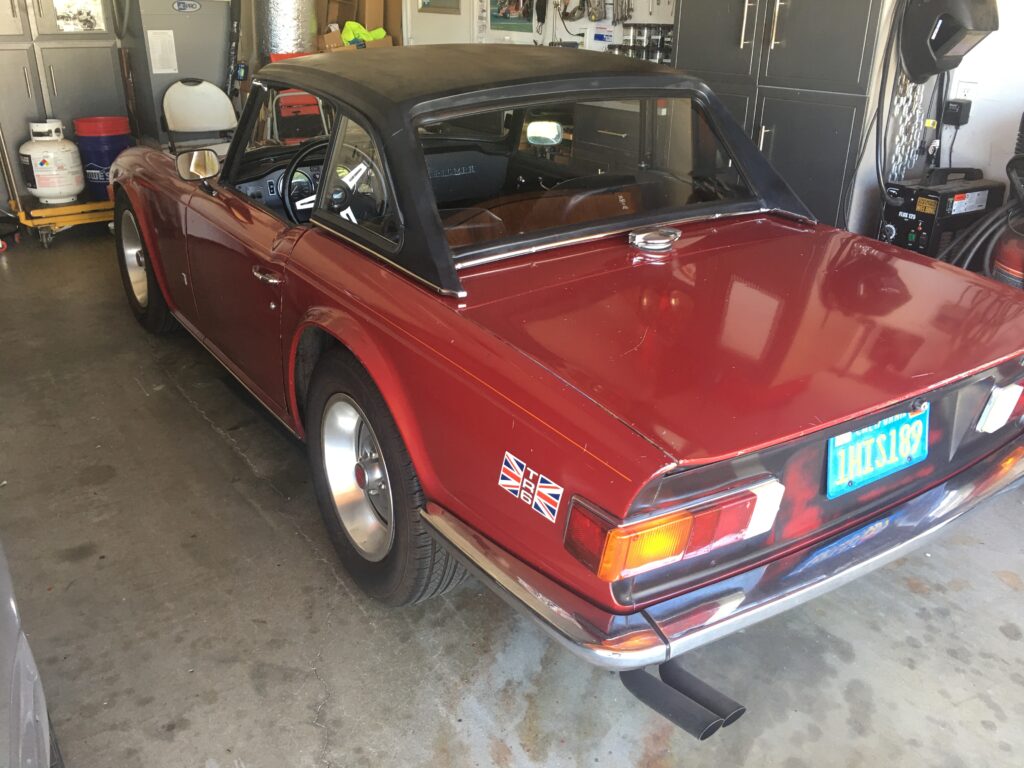
I have been half-heartedly looking for a factory hardtop for the Six, and this summer I lucked out and found one within an hour drive. It was a bare top but included all windows – in excellent shape – and some but not all of the rubber. The paint looks like rattle-can flat black and there are a couple very slight dents front and center, hardly noticeable now but which would need fixing prior to painting. I had to make the mounting brackets at the B-pillar, and I added insulation and headliner, as shown in the photos.
First, I made the B post brackets, which were either unavailable or crazy expensive.
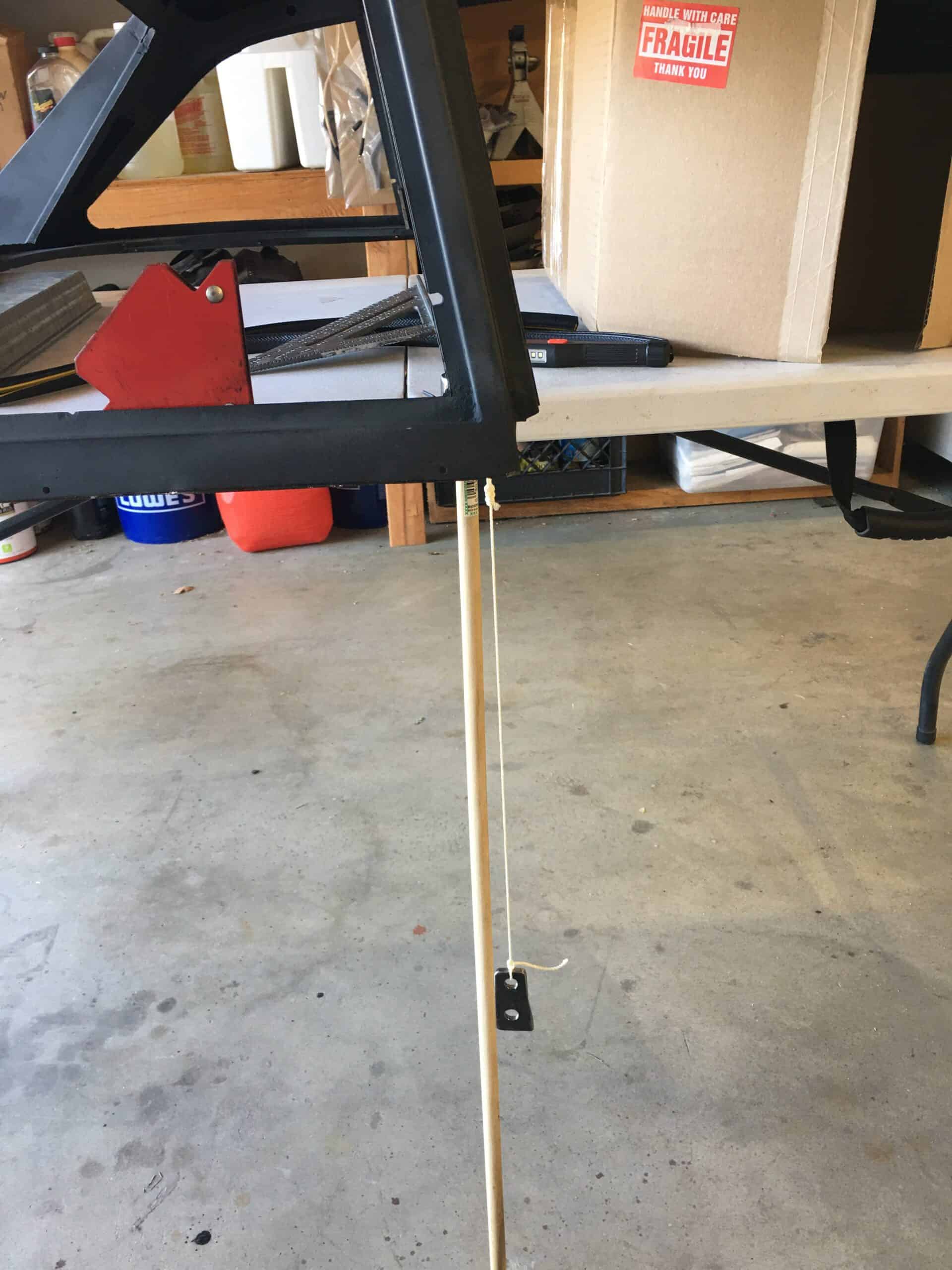
B post brackets were unobtaniumSketchUp to visualize what I needed to makeTime to cut some metal, 3/16th steelAngle iron, internally threaded tube, and the 3/16th platesWelds are a bit rough because I didn’t use our gas shielded rig at the barn, but good enoughTest fittingGetting the top level for the next stepPlumb bobbing, there are two angles to deal with… just trying to get close.The B-post leans toward center of the car and leans toward the rear, so we are plumbobbulating. Your new word for the day.Eye-ballingDrawing lines and eye-balling againA little black paint, a couple washers, and we’re doneFinished B-post bracket, not perfectly aligned, but the top is easy to install and it’s not going to fly off
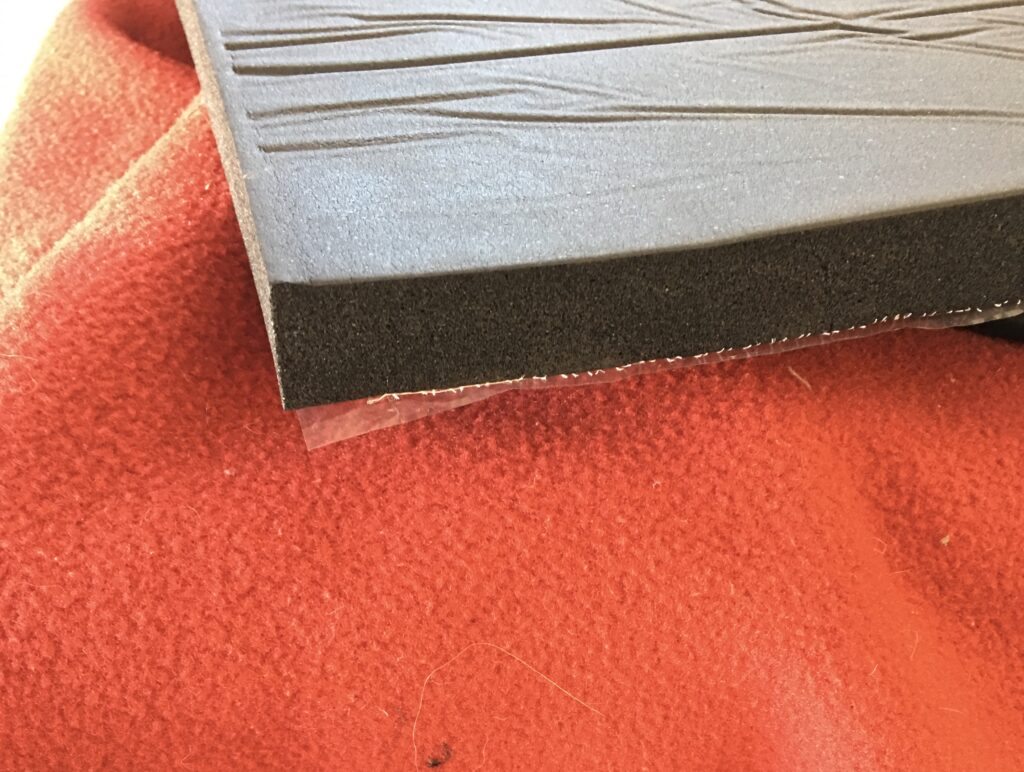
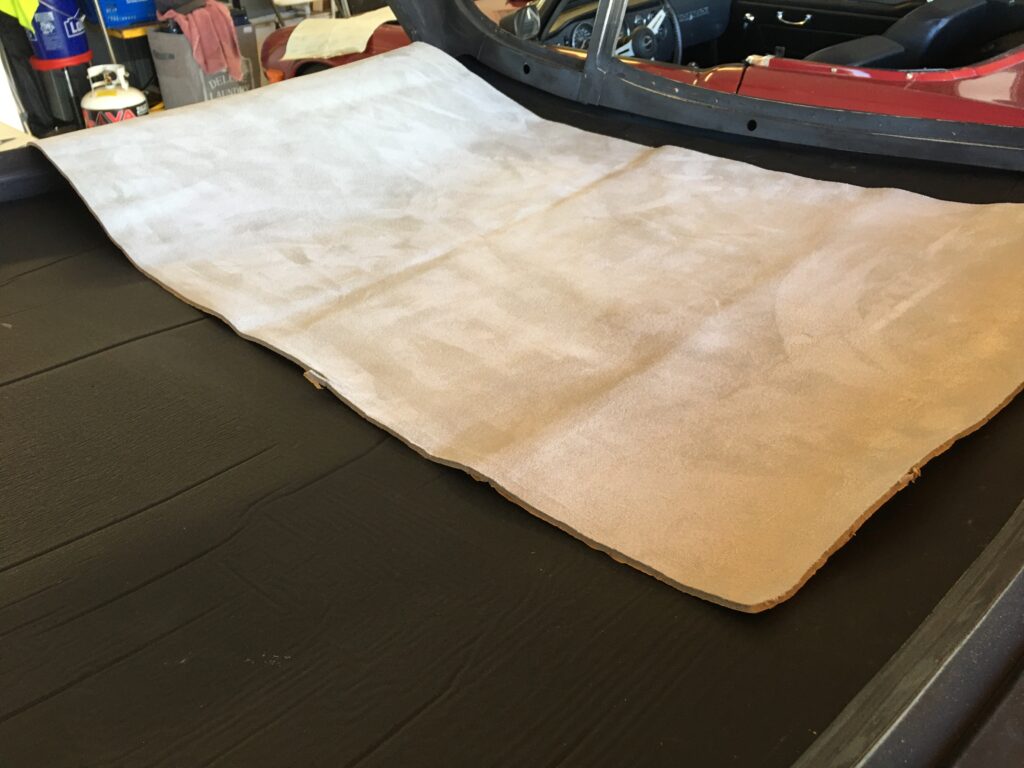
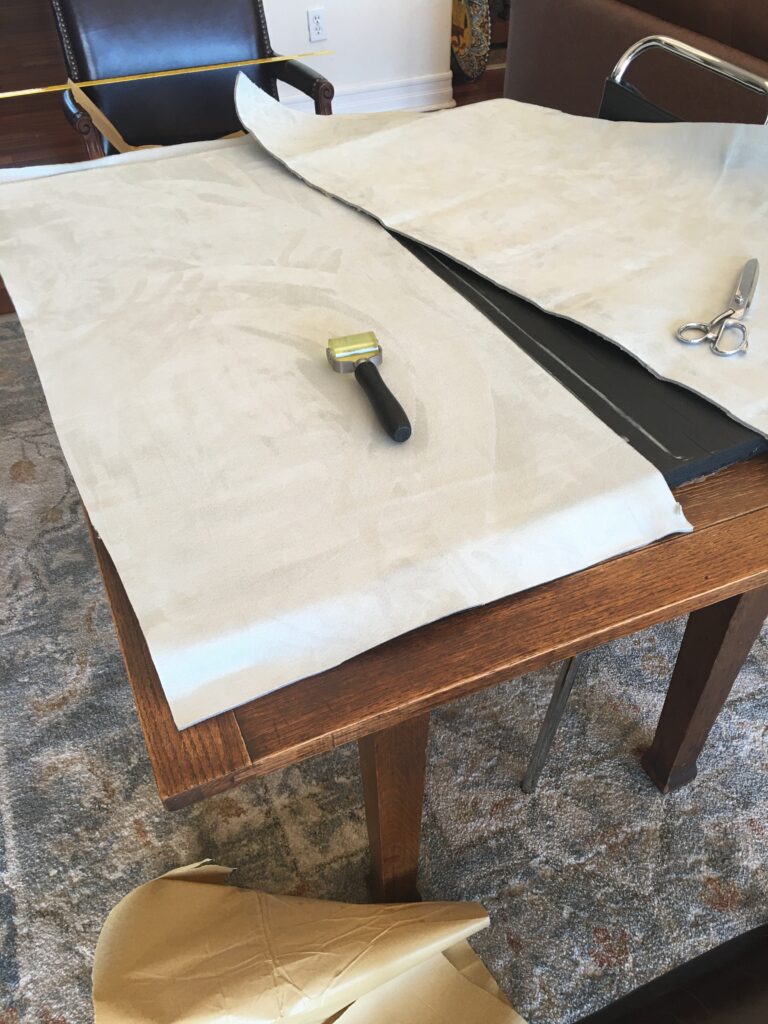
Although I’m not finishing the top at this time, I did want to experience enclosed driving through the winter, and decided to try and make it quiet with insulation and headliner.
Adhesive backed 3/4 inch foamNice soft suede, 1/4 inch foam, also adhesive backedTest fitting the insulationGetting set to cut the headliner to fit the 3/4 insulationThe suede headliner I selected required a two-piece approachAll stuck togetherMetal rib covers the seamNot a bad result, with a total of an inch insulation, around $100 for the materials
The final steps included installation of the seals, the glass, and the chrome trim. I chose to have the glass done by Grace Auto Glass, as I had used them previously when assembling the windshield a few years ago.
It seemed to me there were some conflicting and incorrect comments re installing the seal between the hardtop and the windshield. So, quoting the official Fitting Instructions for Item 11, the Hardtop to Windshield seal, this is the process I followed…
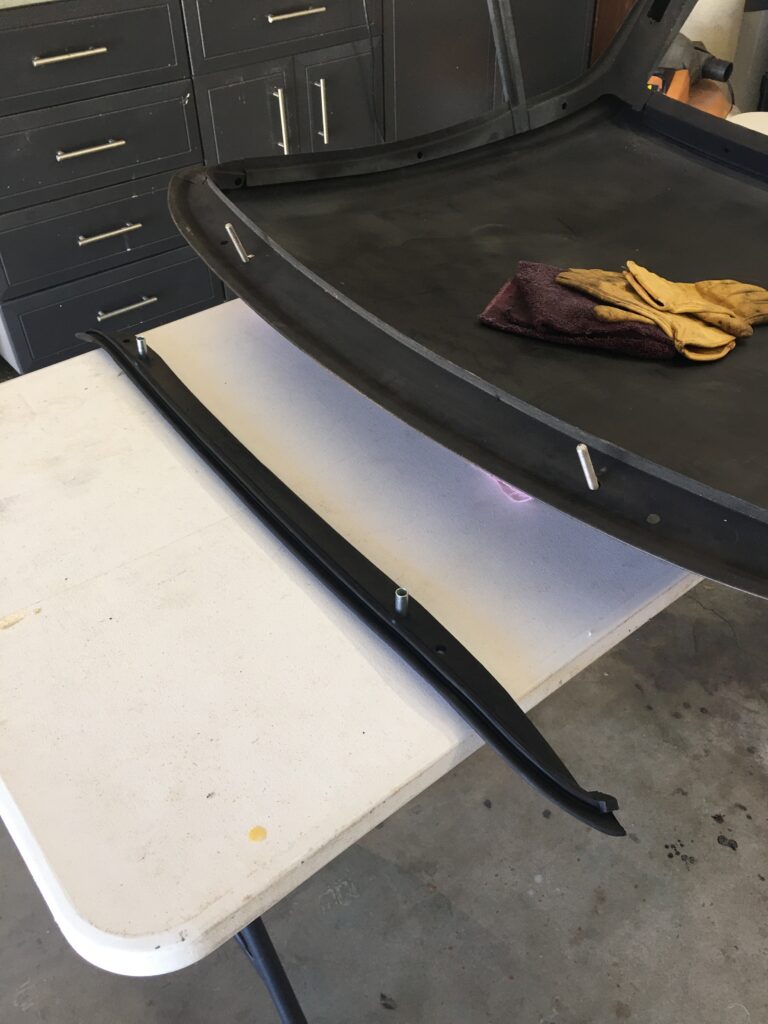
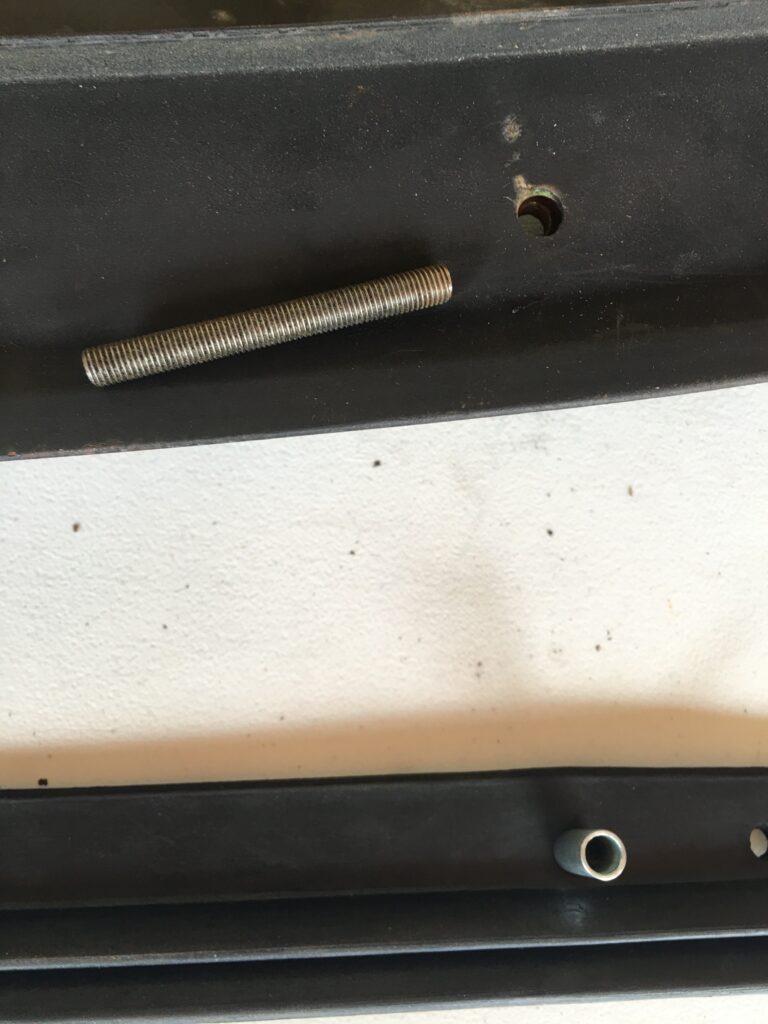
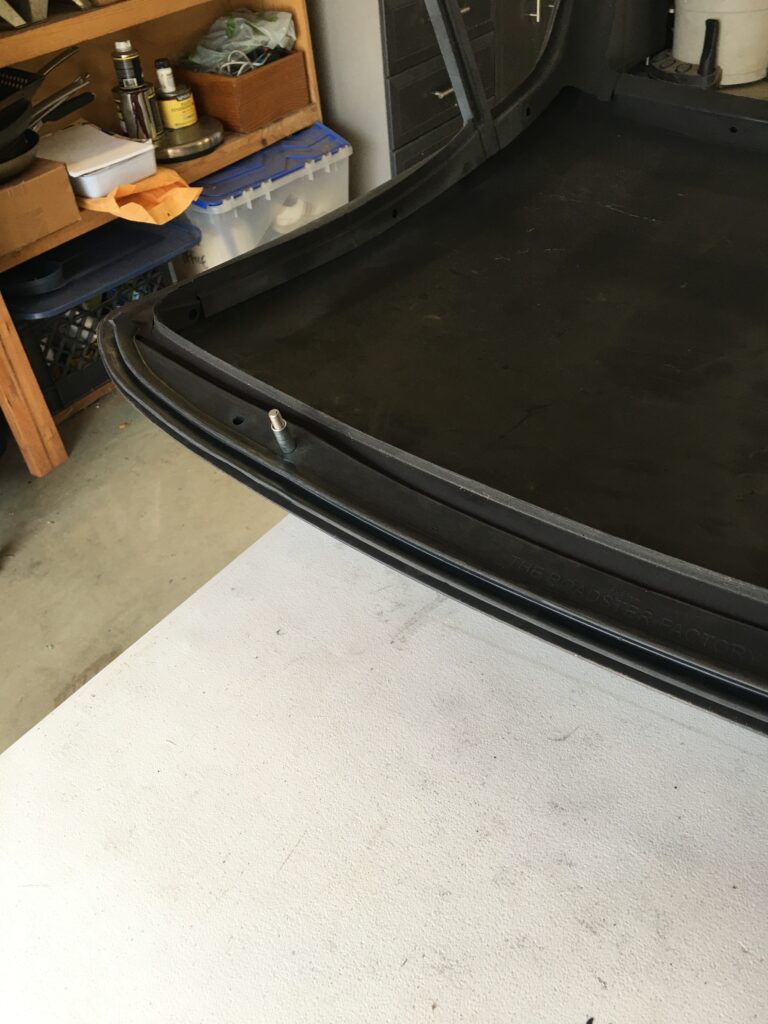
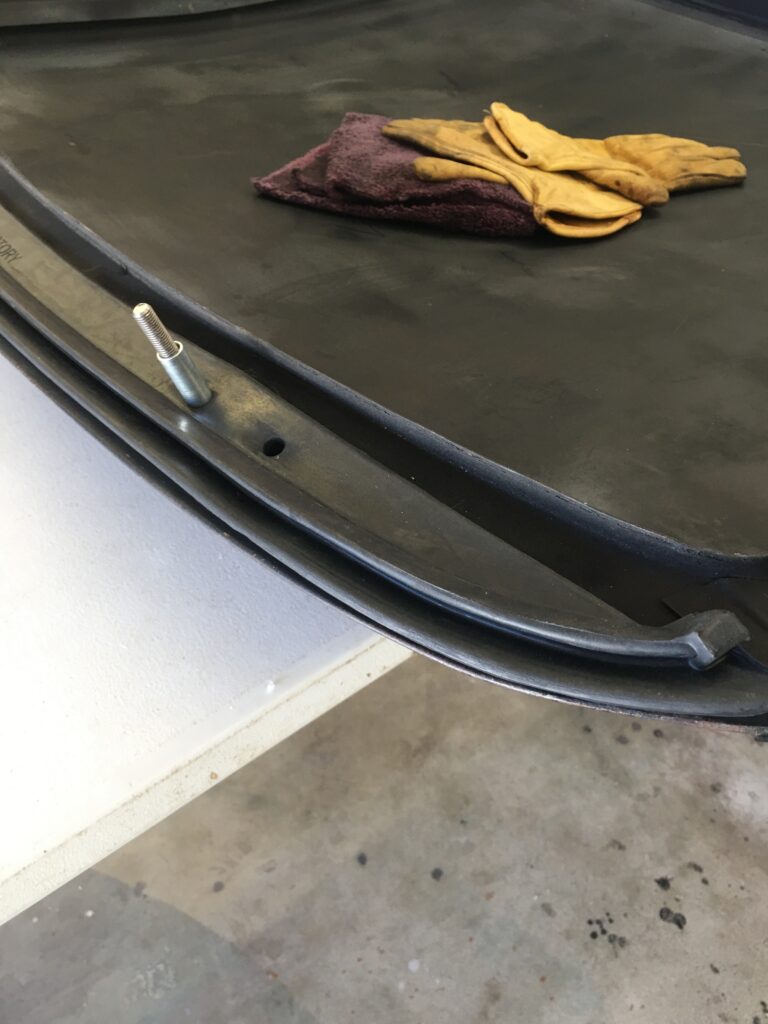
Place the rubber with flat side facing upwards and apply adhesive to the complete area of the flat surface. Insert distance tubes through the inner holes of the rubber. Screw a 5/16 inch “slave” stud finger tight to each of the two weld nuts in the header panel of the Hard Top, in order to locate the exact position of the rubber. Position the rubber to header rail and press down firmly to ensure satisfactory bond. Remove “slave” studs.
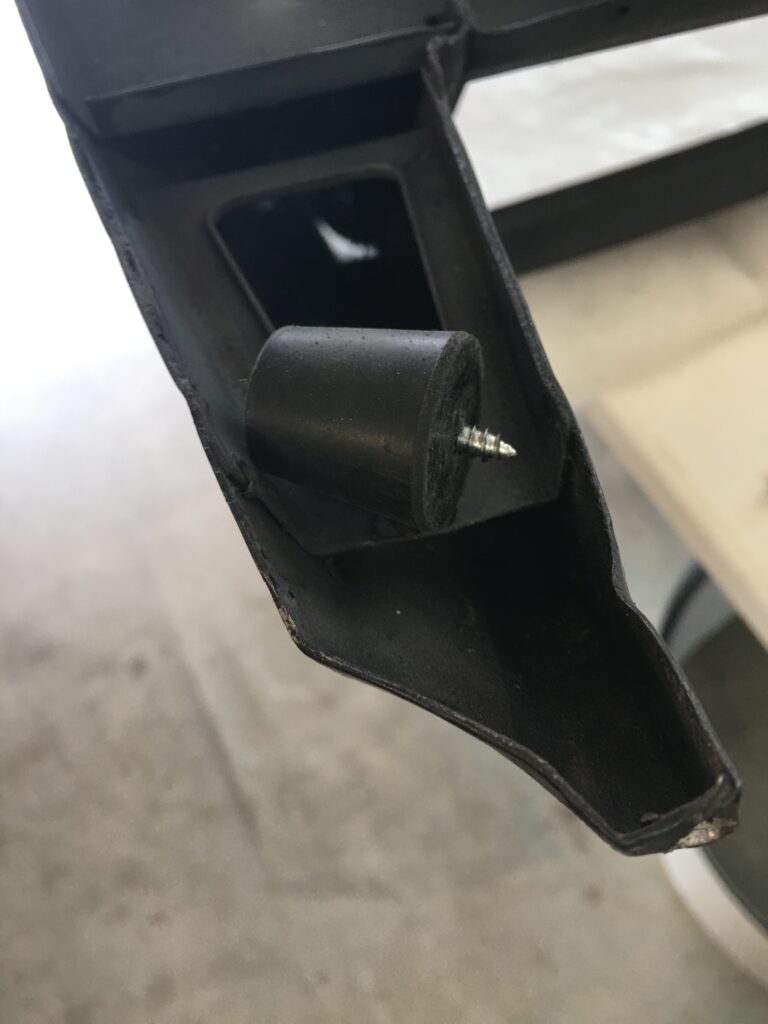
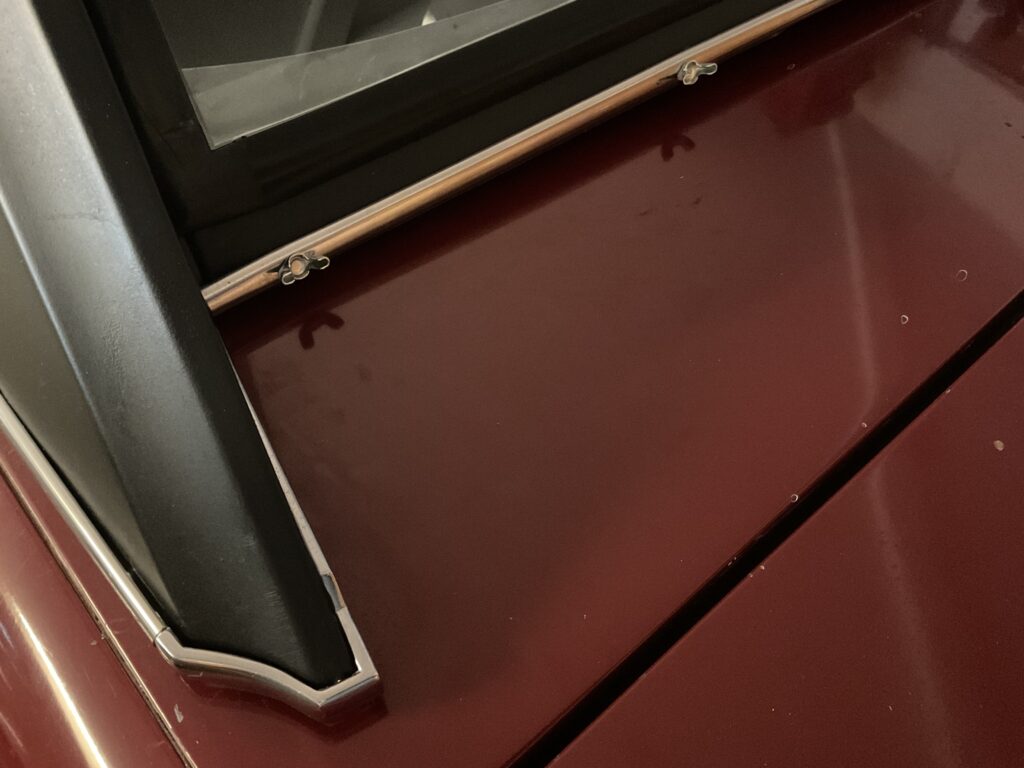
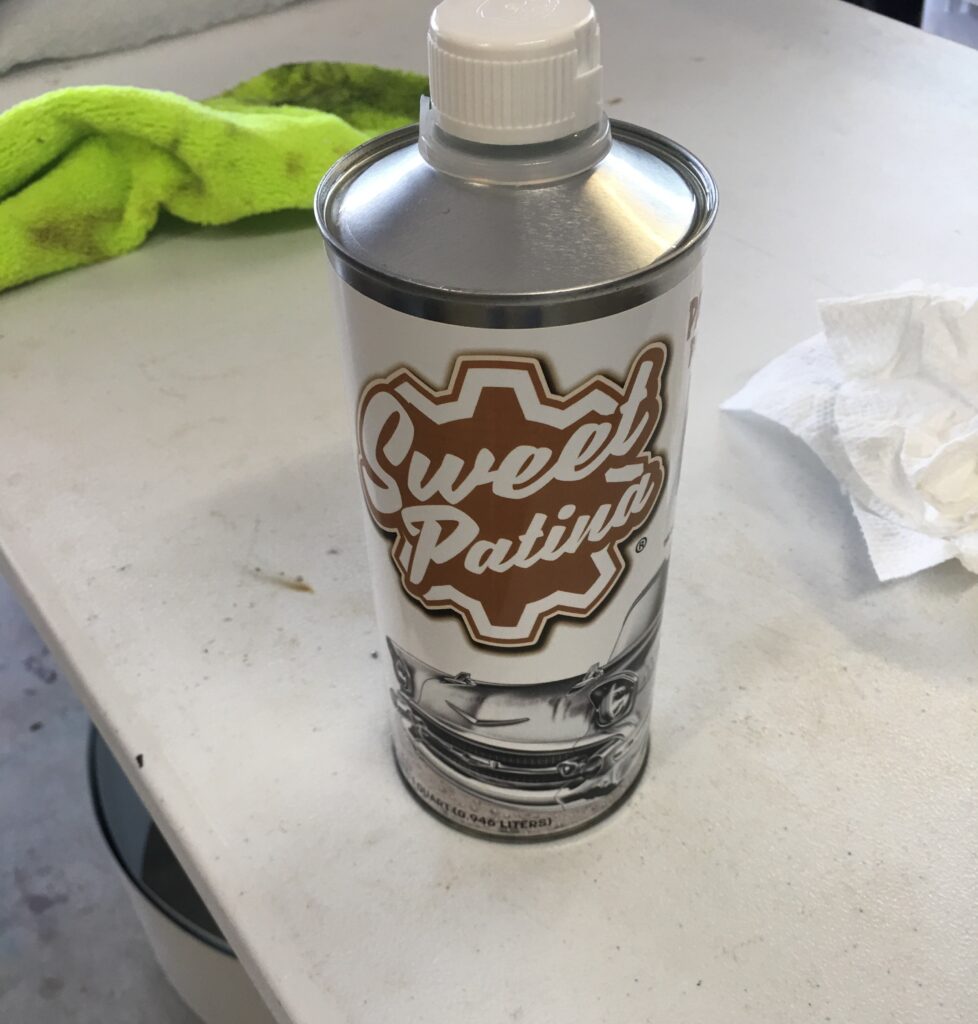
HT to WS seal, studs finger tight into captive nuts, distance pieces inserted through the rubber seal, ready to apply adhesive5/16 – 18 studsGlued, but I did not apply adhesive across the entire seal, just from a few inches inboard of the distance pieces and out to the endsGlued down, and ready to unscrew the “slave” studsThis seal was a bit tricky, but after cleaning up the channel, and slightly opening up the channel around the sweeping 90 degree turn, it slid in pretty easily. I then tightened the channel up a bit with pliersTrip to Ace Hardware for these stoppers that I drilled through to use as the buffers between HT and rear deckInstalled, with glass and chrome!I could not get the long chrome piece to stay on the rivets, so I got creative. Oh wellSince I am holding off on painting the top (and the entire car) I applied Sweet Patina on the top to offer a little protection against the elements this winter.
The Six actually seems like a real car now rather than a toy, but I’m pretty sure that come next spring the hardtop will be coming back off. For now, I will experience cozy comfort through the San Diego “winter.”
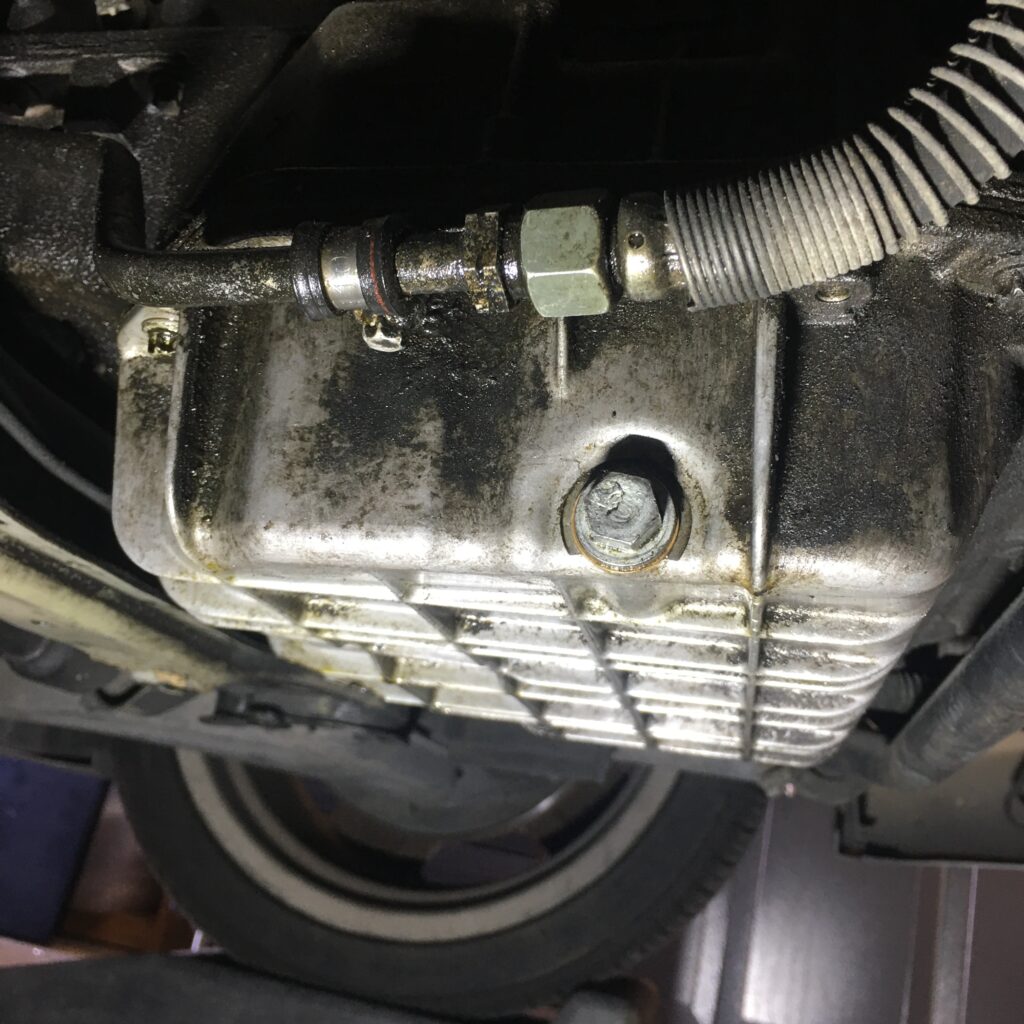
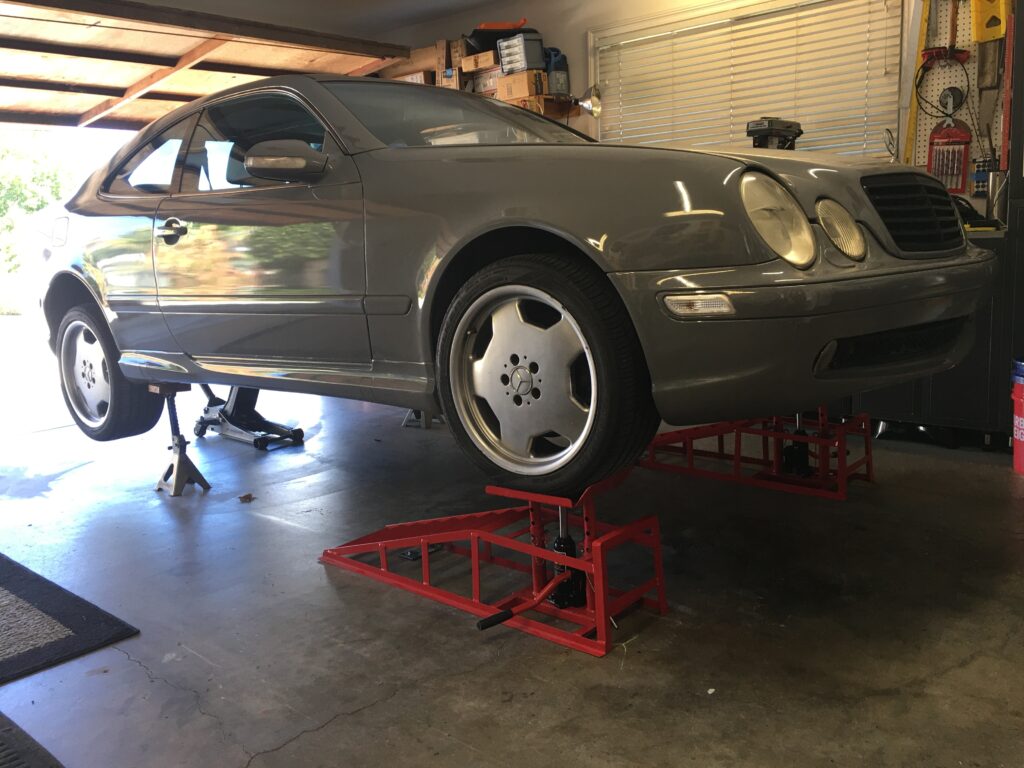
The 2001 CLK55 engine sprung a leak, evidenced one morning by a visible oil puddle behind the right front wheel. It was a narrow lake of oil, probably no more than a couple tablespoons, originating near the rear of the engine. After putting the car on ramps I crawled under to take a look.
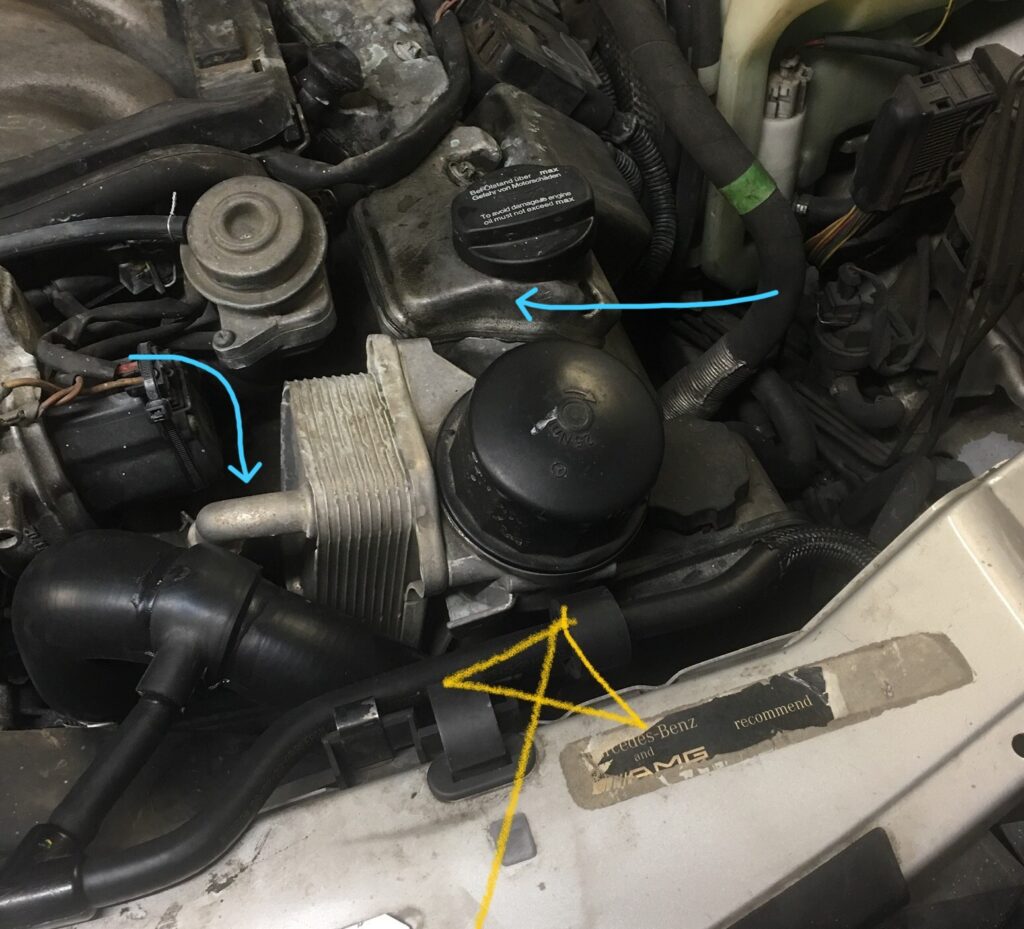
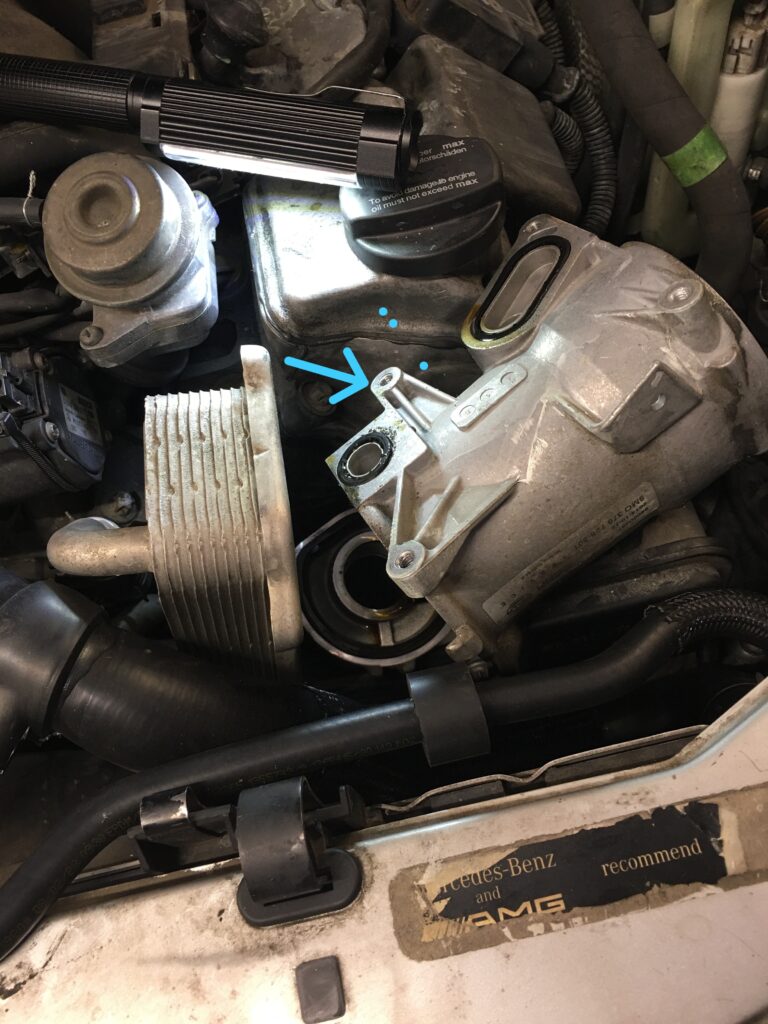
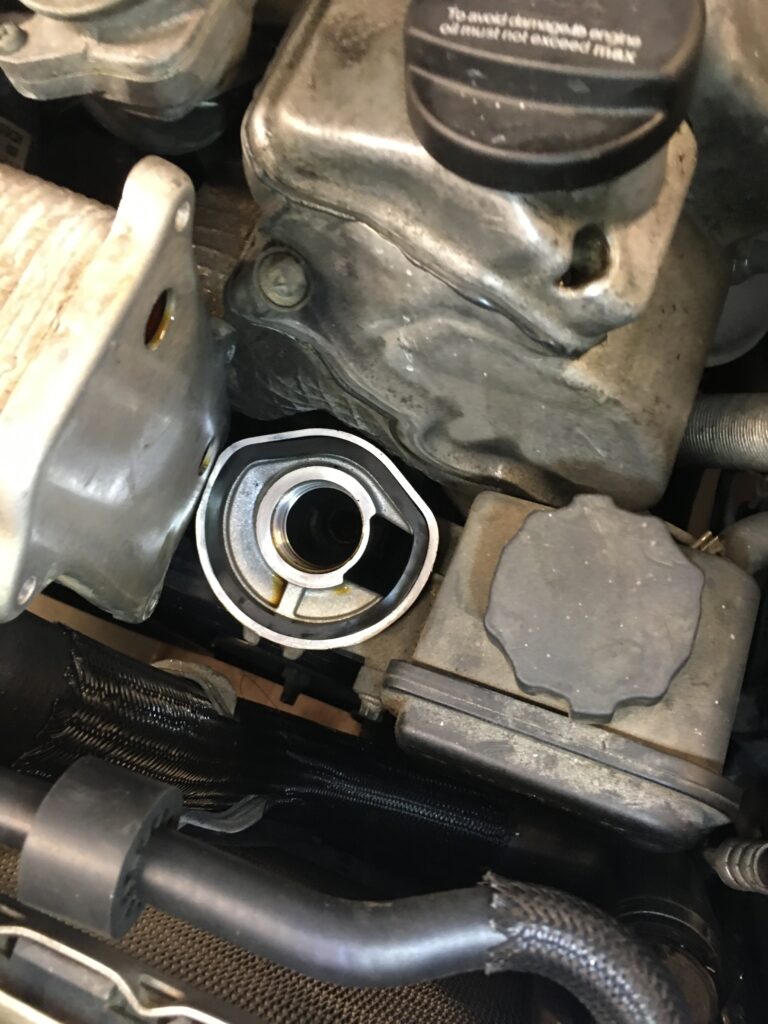
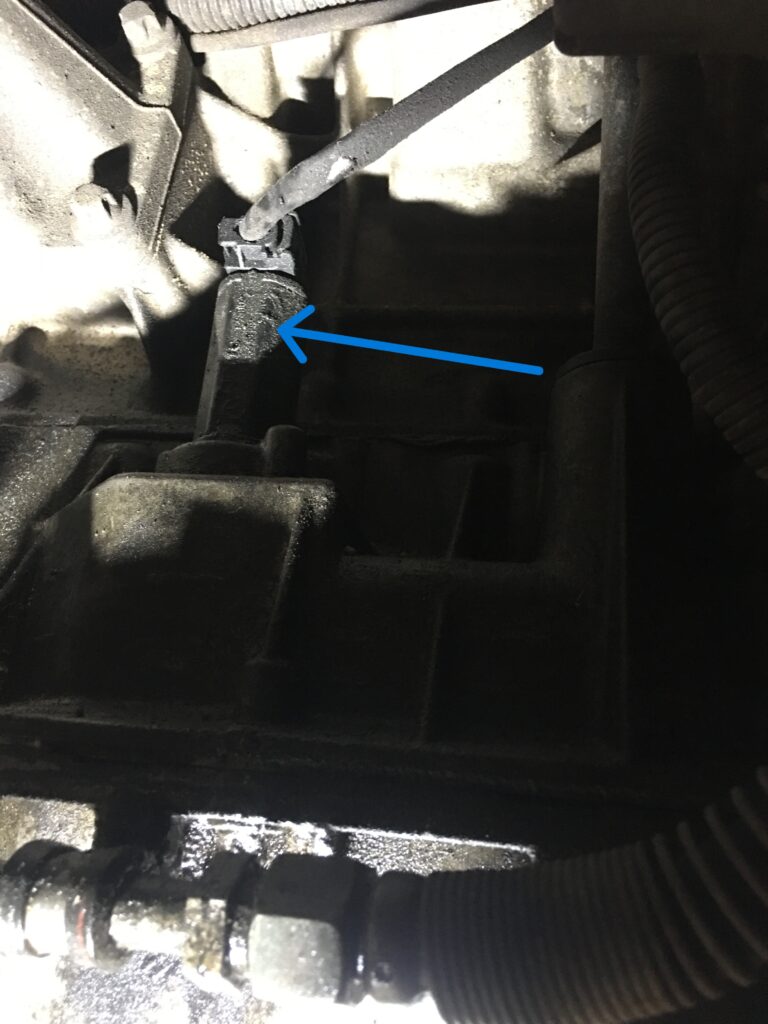
The evidenceThe likely sources, the oil filter housing and the oil filler cap. Yellow is pointing at filter housing that must be removed
I uploaded the photo and had a bit of consultation with ChatGPT as to the possible source of the leak, and eventually discovered there was oil on the front of the engine below the oil filter housing, and a bit near the oil filler cap.
Removing the 46 mm Hollow Bolt from the Mercedes CLK55 Oil Filter Housing
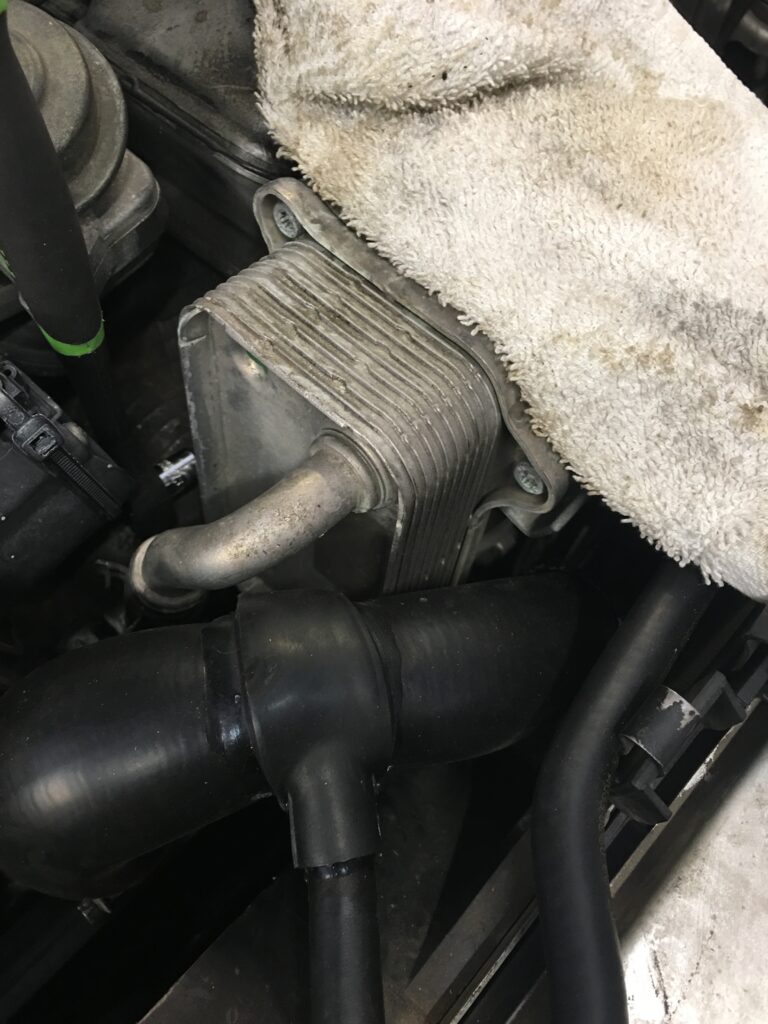
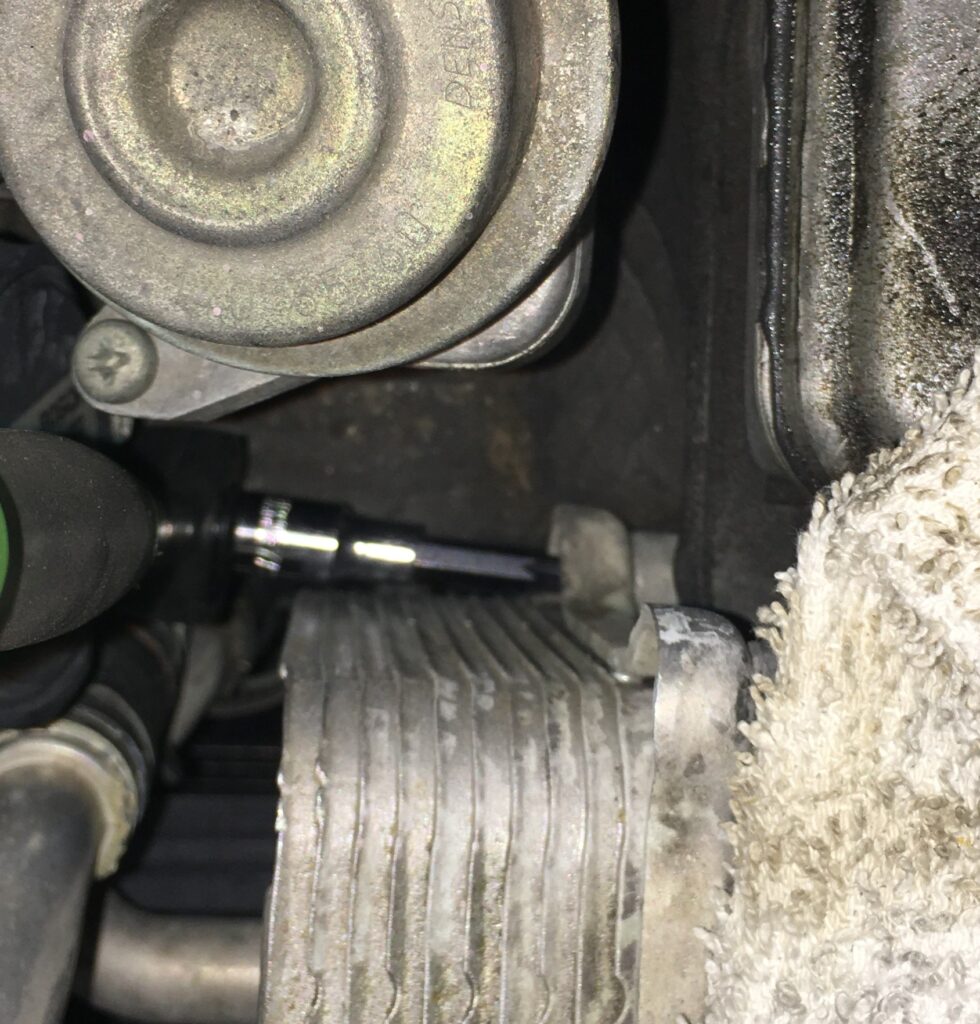
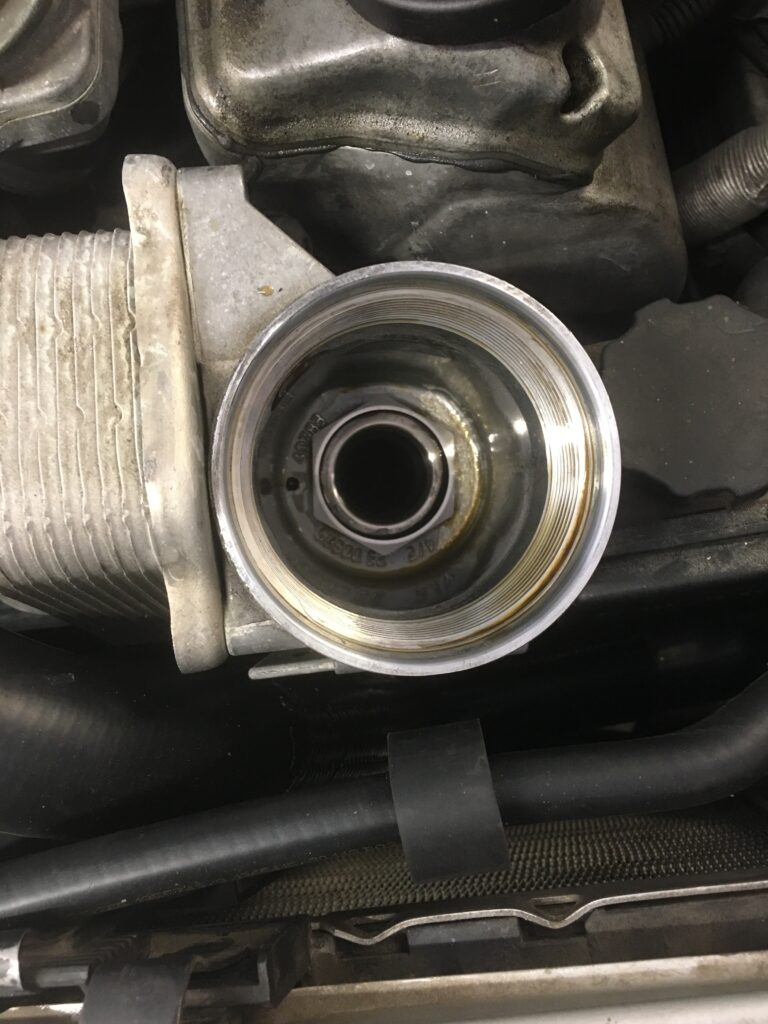
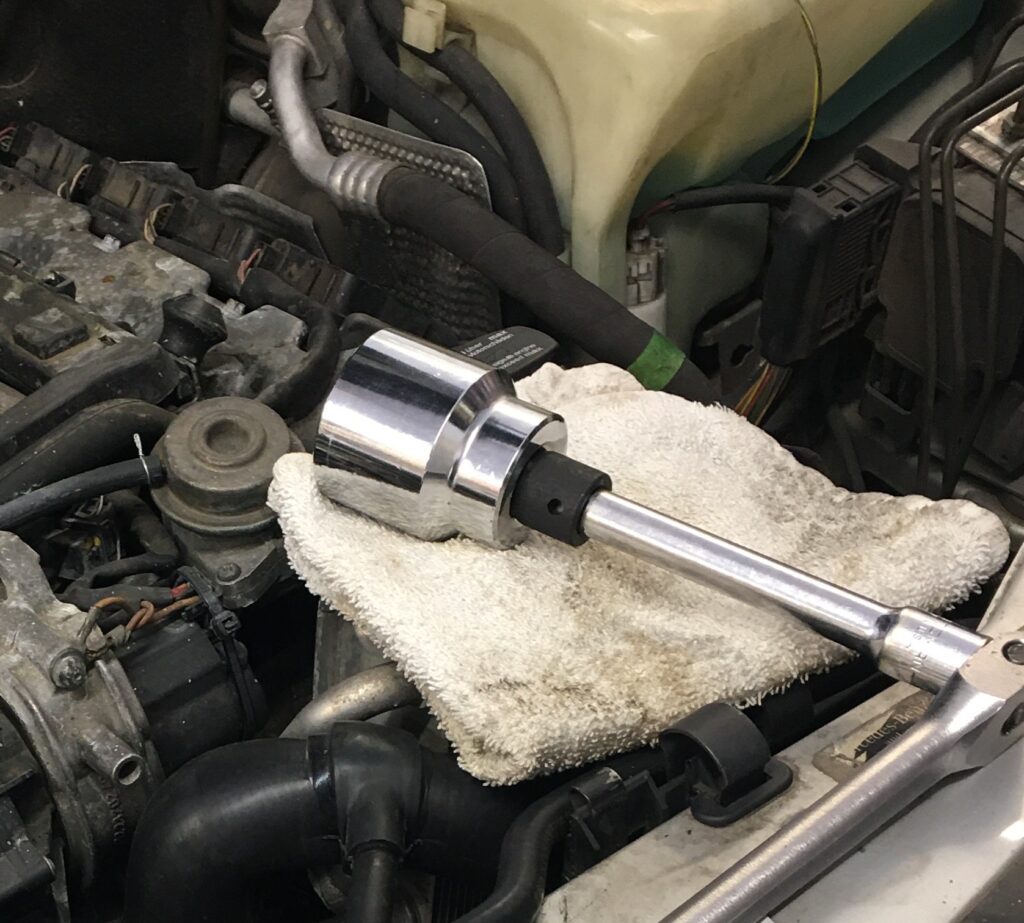
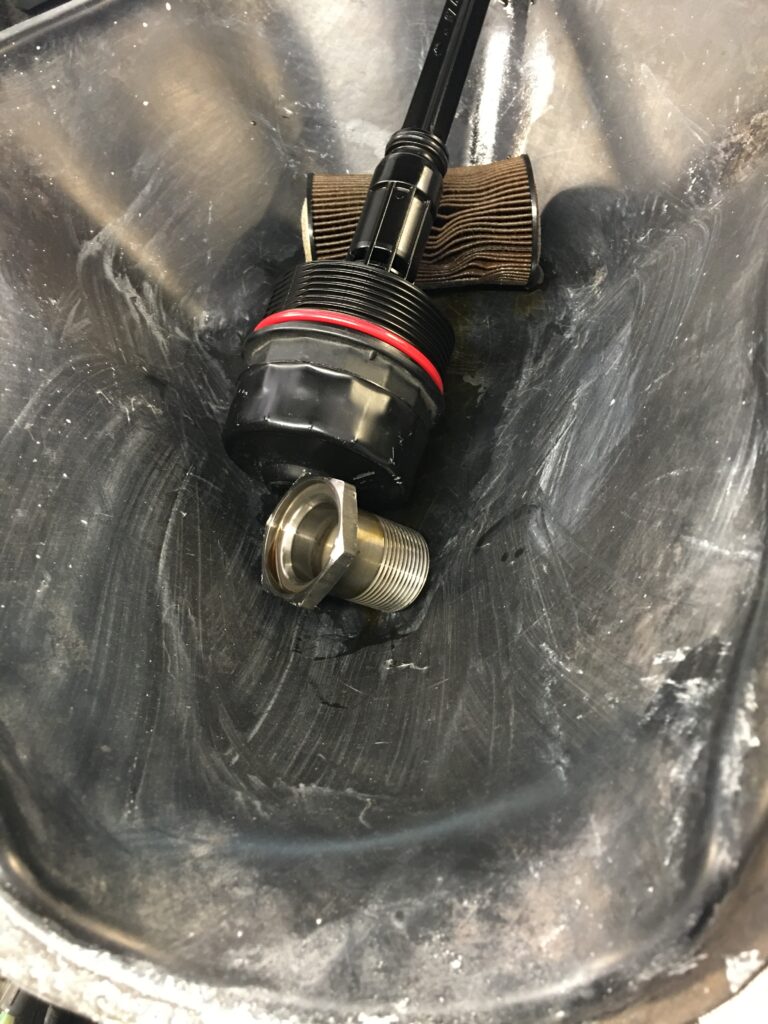
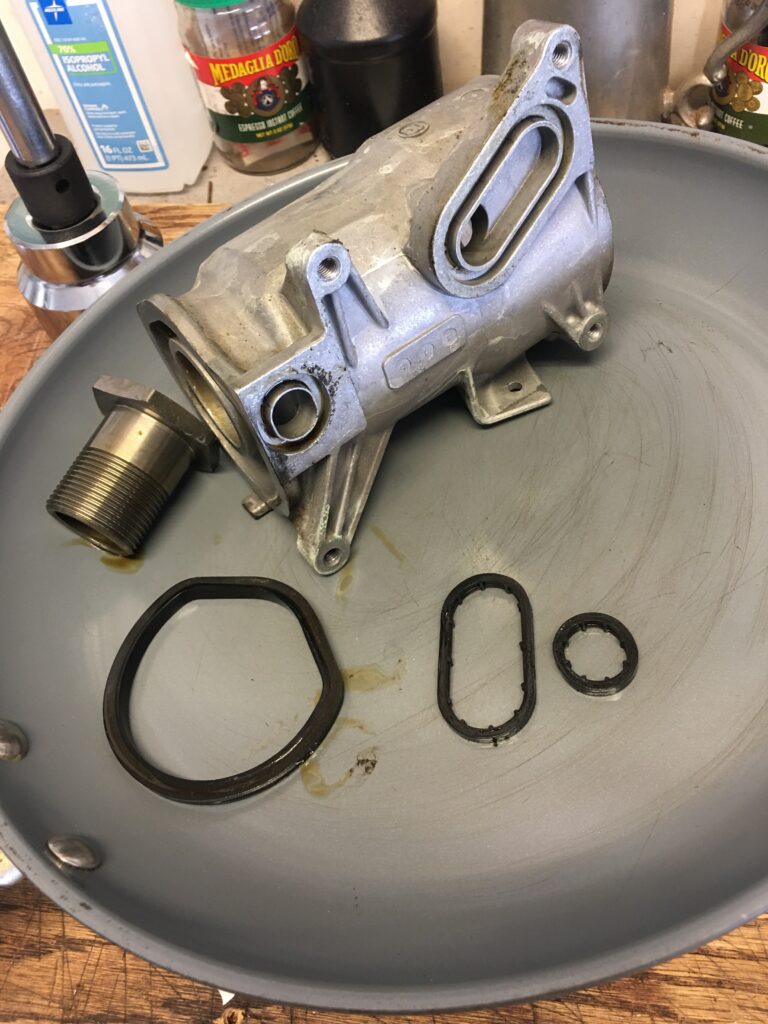
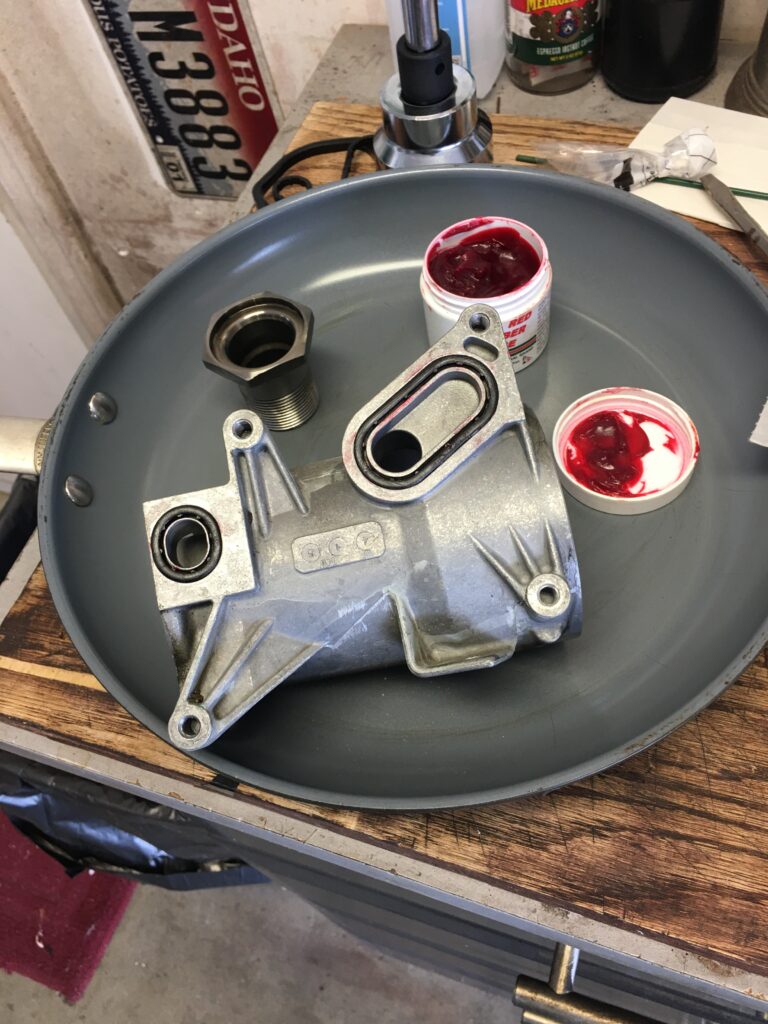
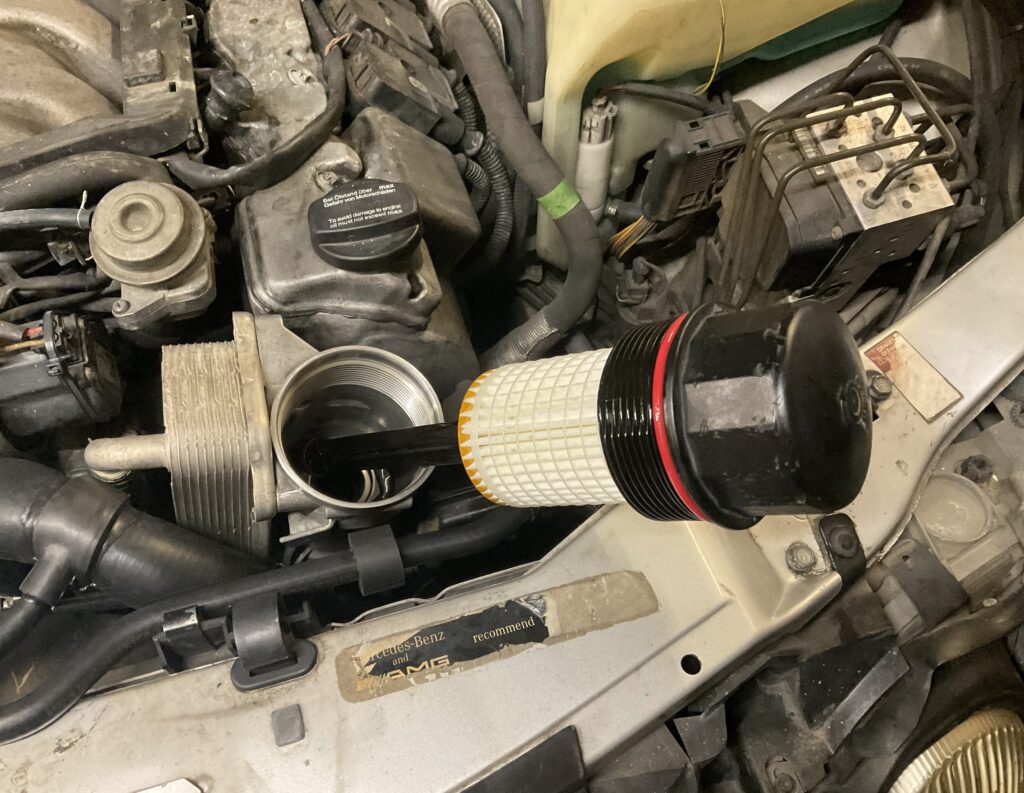
The yellow arrow points to the oil filter housing, which needed to be removed. I feared the worst, but found that it is a simple job. There are two rubber seals between the filter housing and the finned oil cooler, attached with four bolts removed with a T30 socket. The filter housing also has upper and lower halves, with a rubber seal between them. These are held together with a large hollow “bolt” that requires a 46 mm socket for removal.
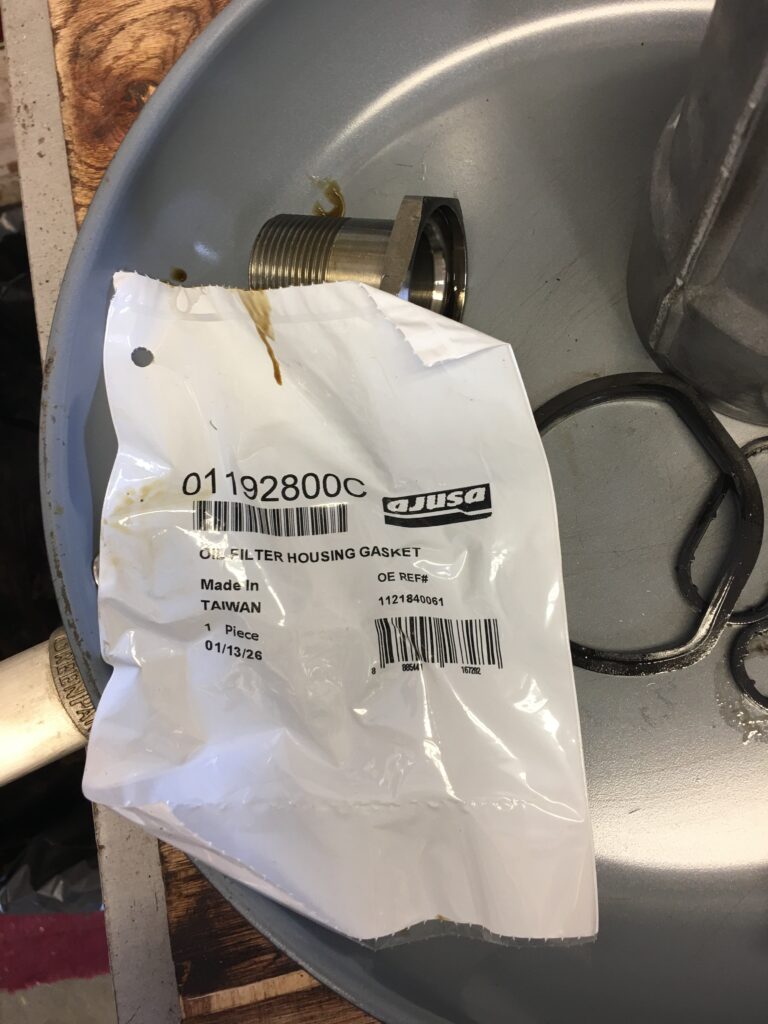
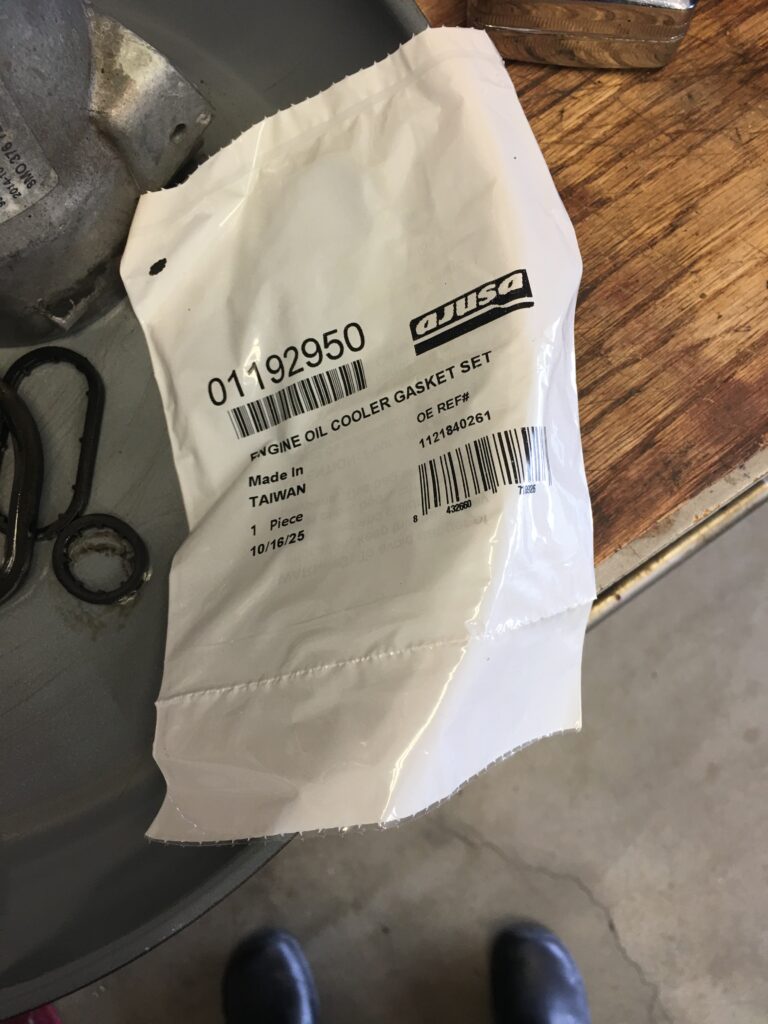
Four T30 socket bolts hold this cooler to the filter housingThis bolt gives the most grief, tight space for a ratchet down thereThat one!At bottom of housing, the 46 mm “bolt”I used a 1 13/16″ socket, which set me back $20 at Tractor SupplyThe torque spec is around 50 lb/ft, but it took two pulling on a 3 foot lever to break it loose. Old flattened, hard rubber sealsFound the seals online at AutozoneBottom seal lubed and in placeDitto for the two seals between housing and coolerNew filter going in, job nearly finishedAll buttoned up. After a couple long drives, not a drop of oil under the car!
When I first spotted the oil, I was tempted to donate the car to charity. However, what I feared would be a time consuming, difficult, and expensive repair turned out to be simple and straightforward.
I am an advocate of AI for help diagnosing car issues but ChatGPT was a bit off with this repair. First it insisted that I could replace the oil level sensor without removing the oil pan, telling me that it was removed from bottom of the pan, held by 3 bolts. NOT!
And then it was pretty clueless about the 46 mm bolt securing the upper half of the filter housing to the lower half that bolts to the engine block. By providing photos and working through it, I’m hoping it got a little smarter.
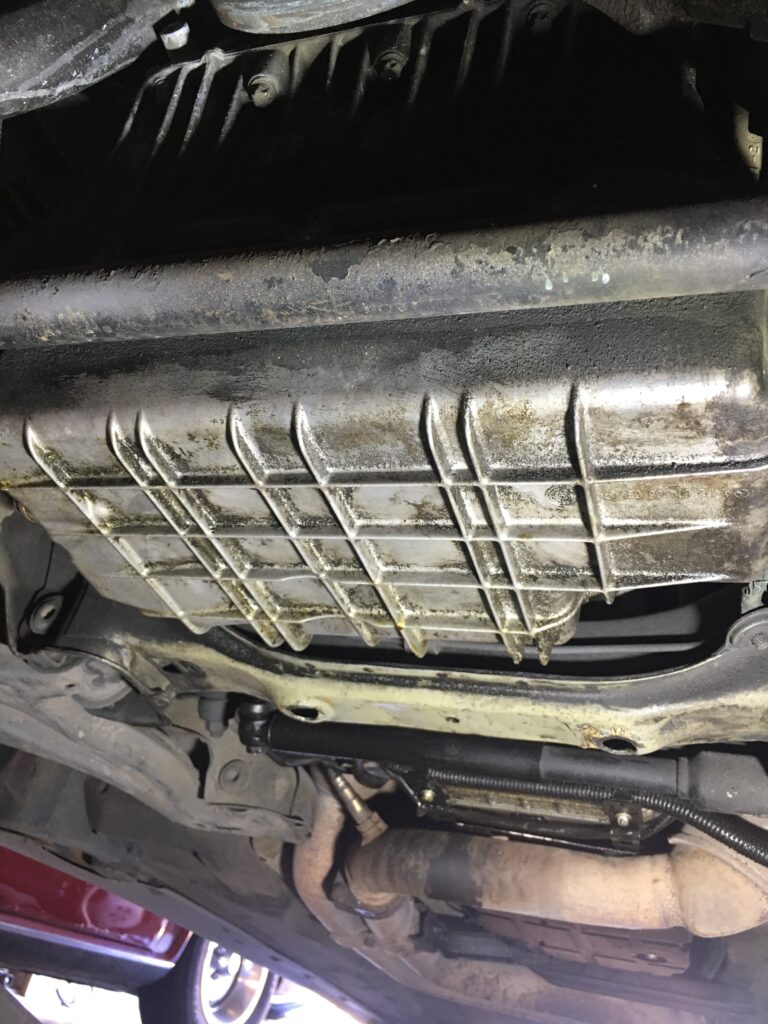
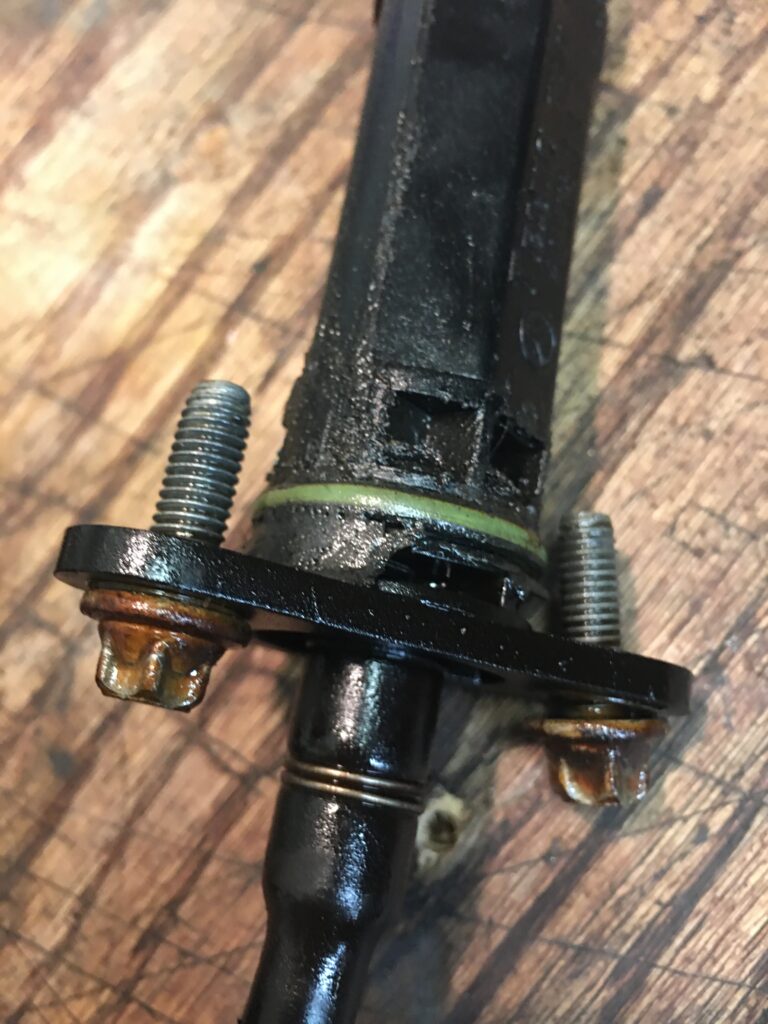
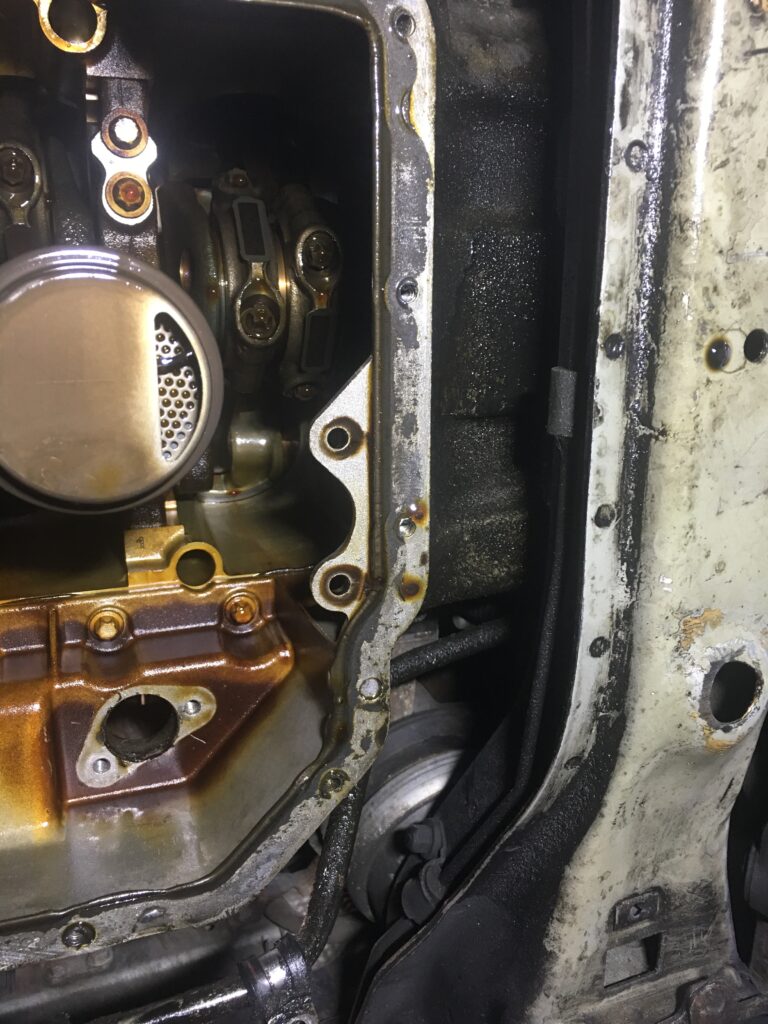
No plastic plate secured with 3 bolts down hereThis is the oil level sensor, not critical, but annoyingSeen here roughly above the drain plug, it’s accessed after removing the oil pan
Next up, in a few thousand miles, replacing that oil level sensor. And then… fixing the ABS/ESP/BAS fault, which means having the pump rebuilt.
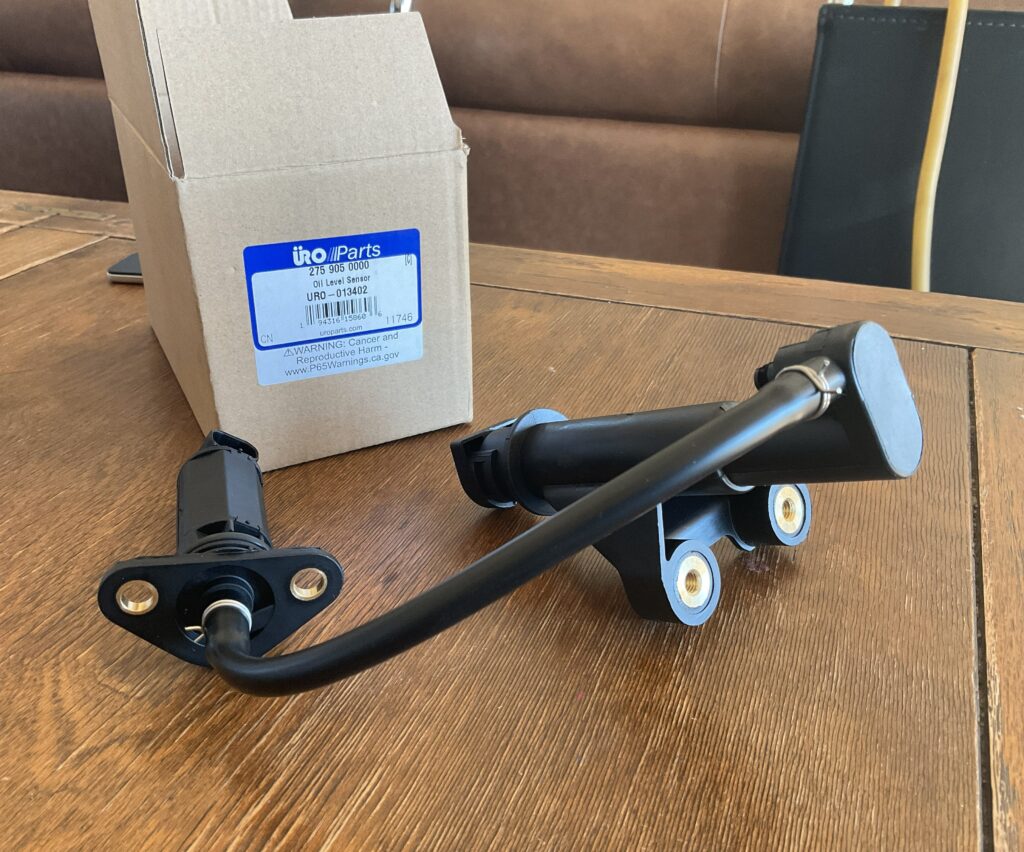
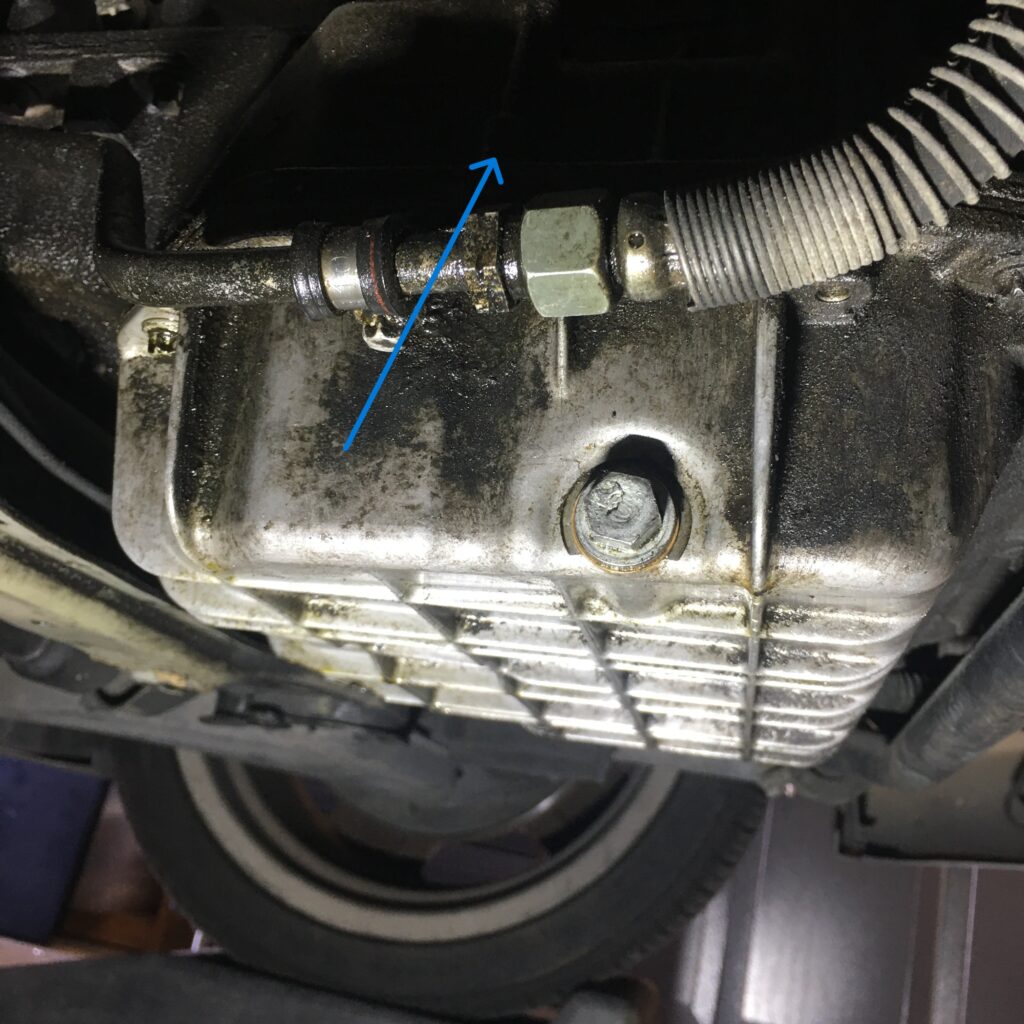
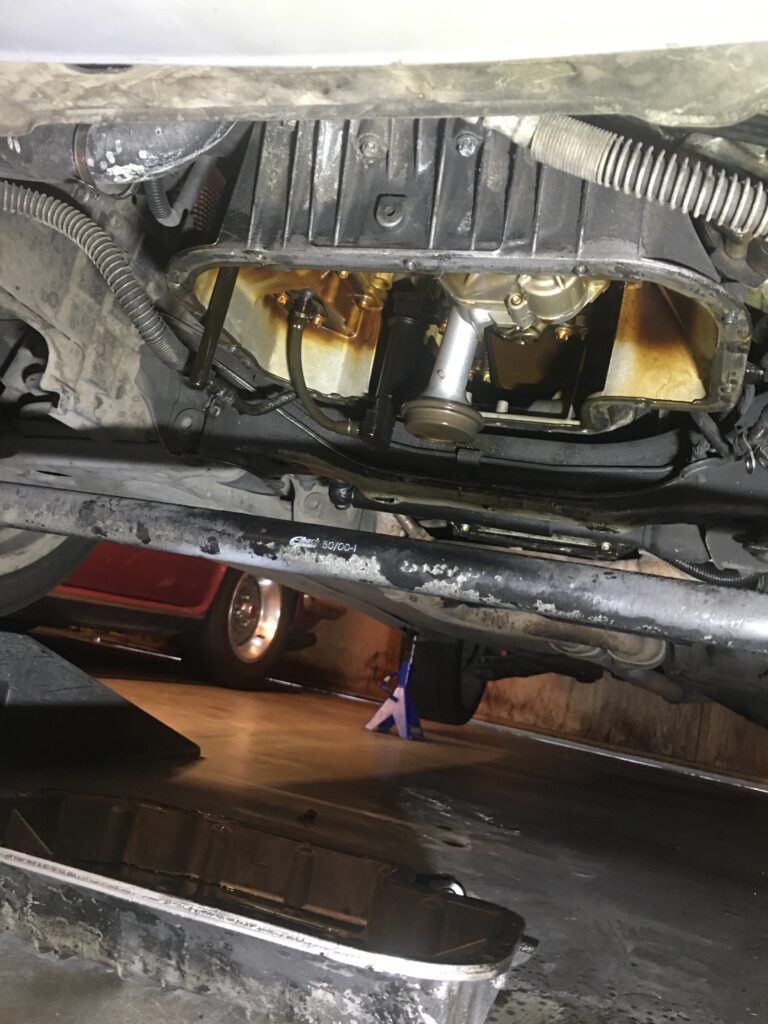
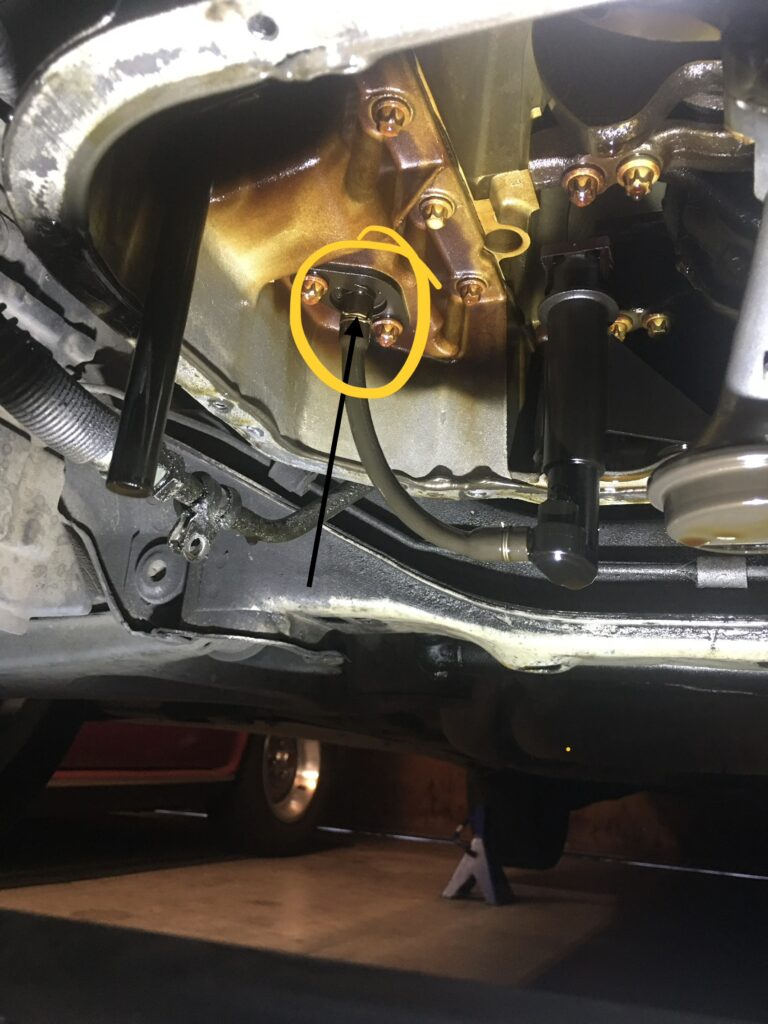
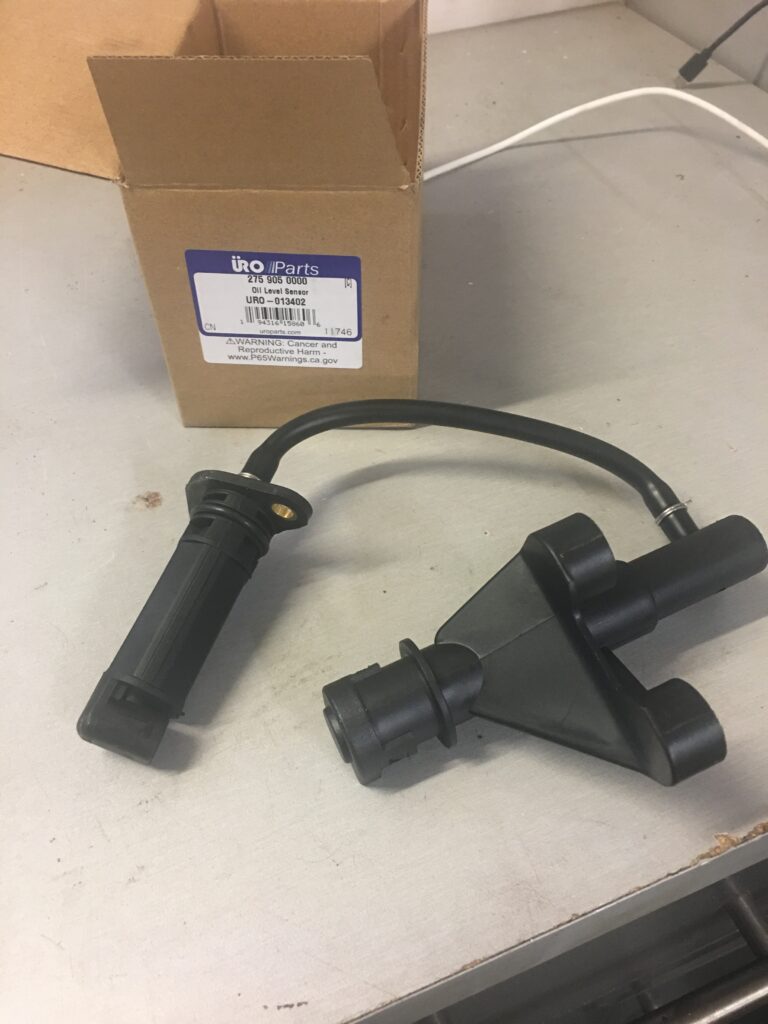
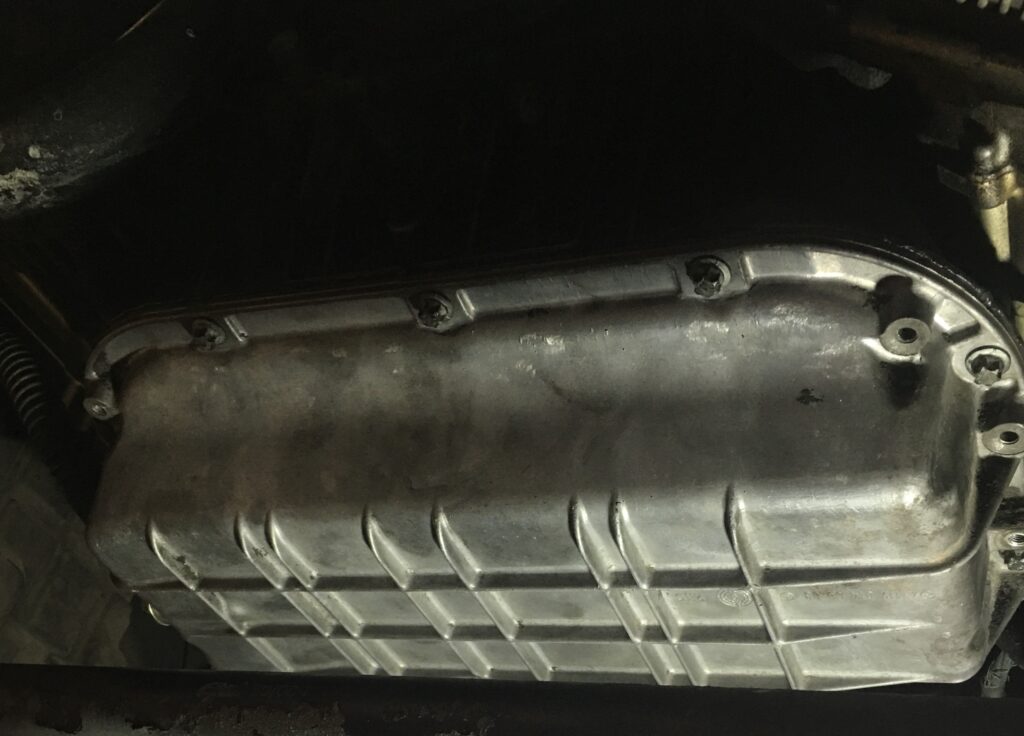
The oil sensor quit working a few months ago. I would have let it go since I check my oil regularly, but in my pursuit of leaks it became clear that the sensor was a problem. These engines have an upper and lower oil pan, both cast aluminum. The oil sensor is bolted to the upper oil pan and is accessed by removing the lower pan. Part of the oil sensor protrudes through the upper oil pan in a little flat area, approximately above the drain plug, where a connector plugs it into the ECU. The rubber o-ring was no longer doing its job of keeping the oil inside the engine.
On the CLK55, the oil level sensor cannot be replaced without removing the lower oil pan.
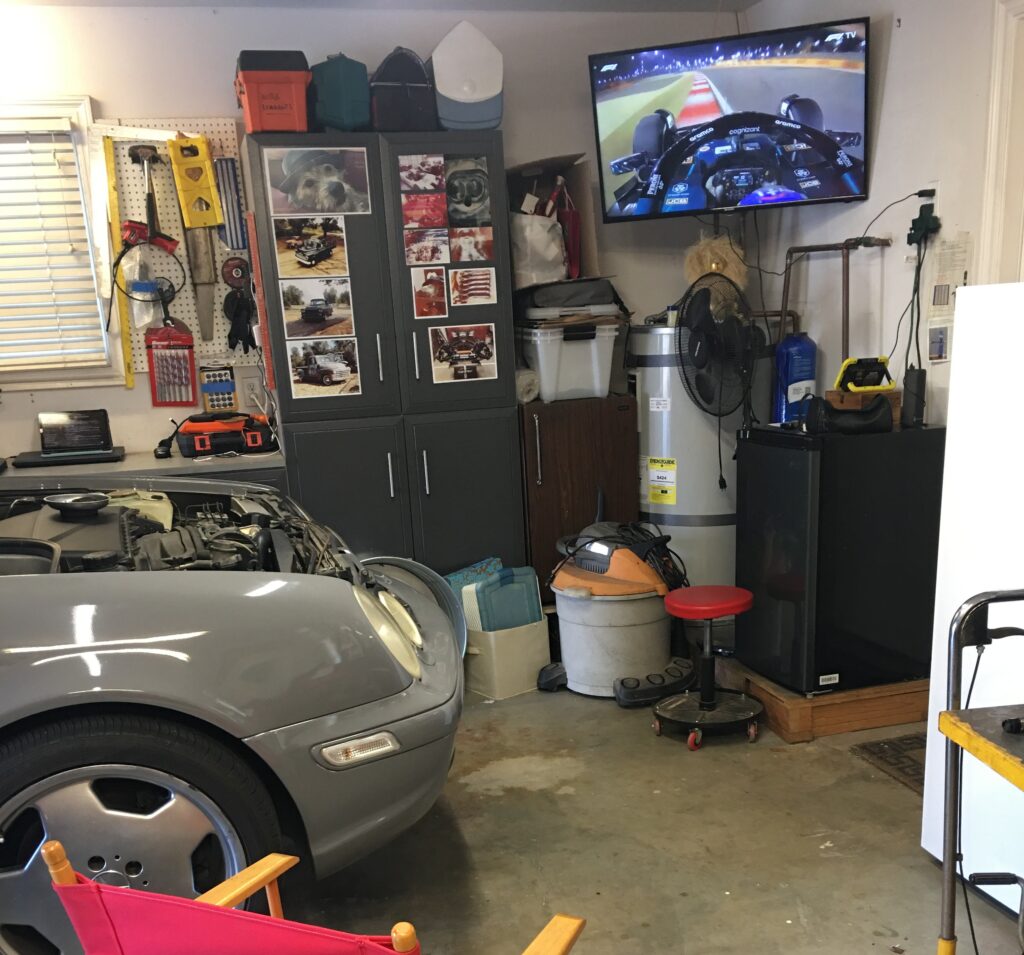
It was a mistake to have F1 on the TV, apparently I can no longer multi-taskThe sensor shows itself here, above the drain plugWhere the plug connects sensor to ECU
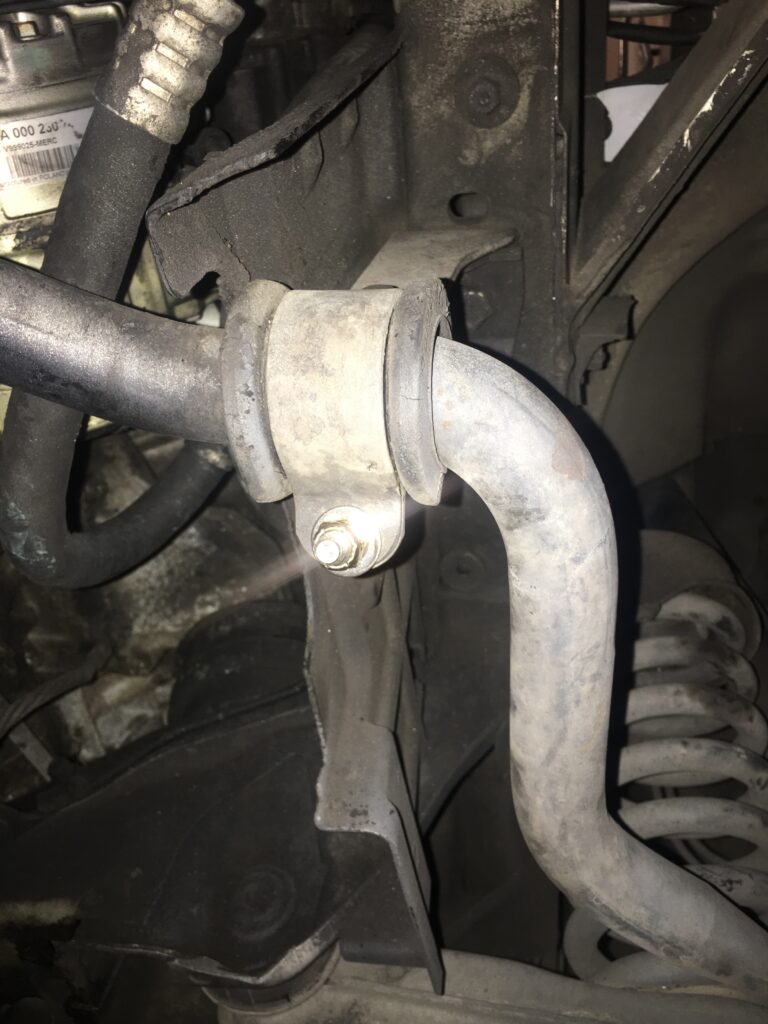
I used the E10 socket to remove a dozen bolts securing the lower oil pan, plus two more holding pipes to the pan. Then I removed the two brackets holding the sway bar in position under the oil pan, allowing it to swing down and out of the way. As long as the front wheels are at the same height there should be no tension on the sway bar, and it doesn’t matter if they’re on a ramp like mine or hanging freely.
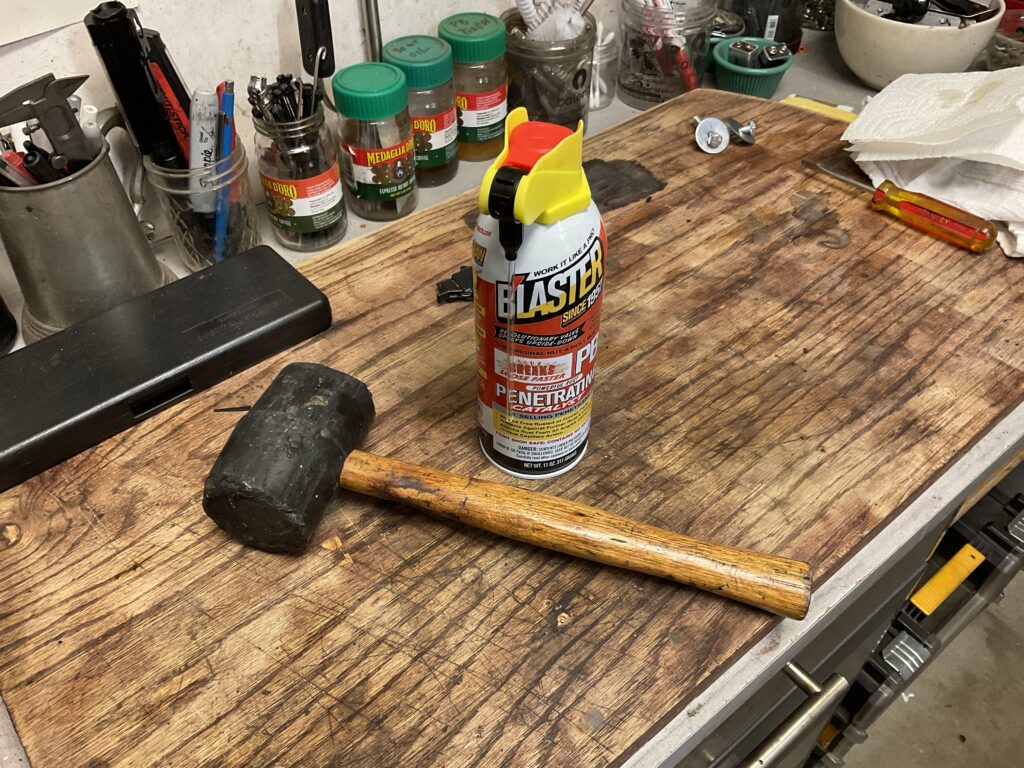
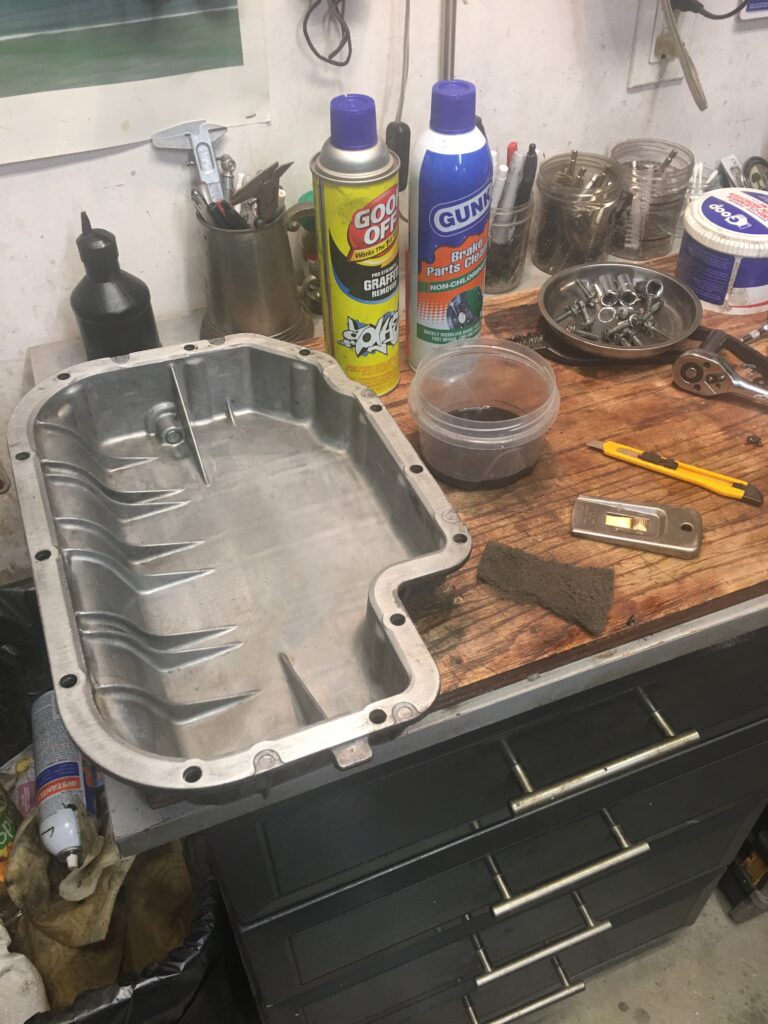
The pan felt like it was welded on, and wouldn’t budge even with several hard raps with the rubber mallet, side to side and front to back. I sprayed PB Blaster liberally all the way around where the two pans join and let it sit overnight. The next morning, a couple more knocks with the mallet broke the seal loose.
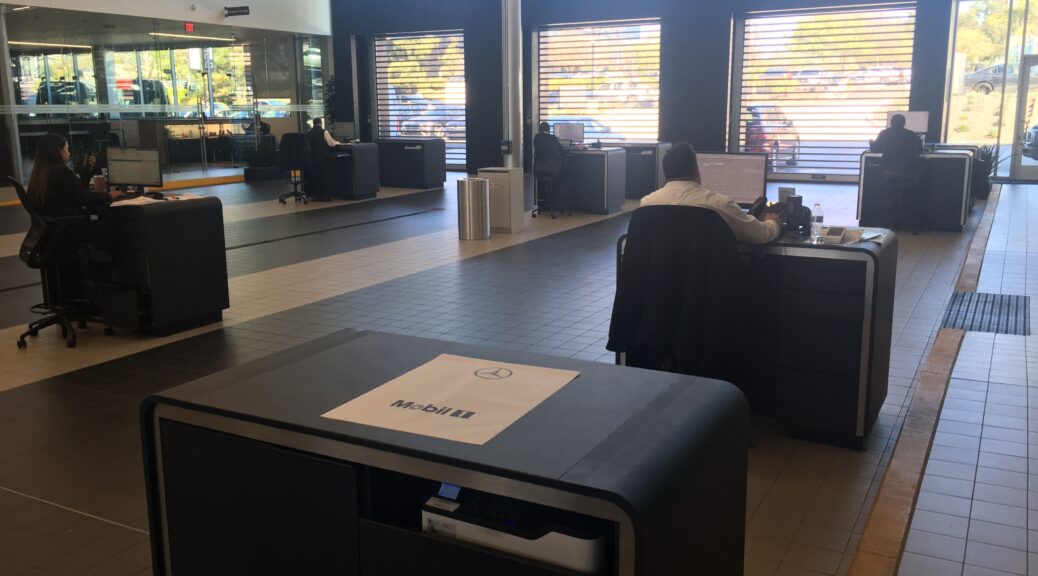
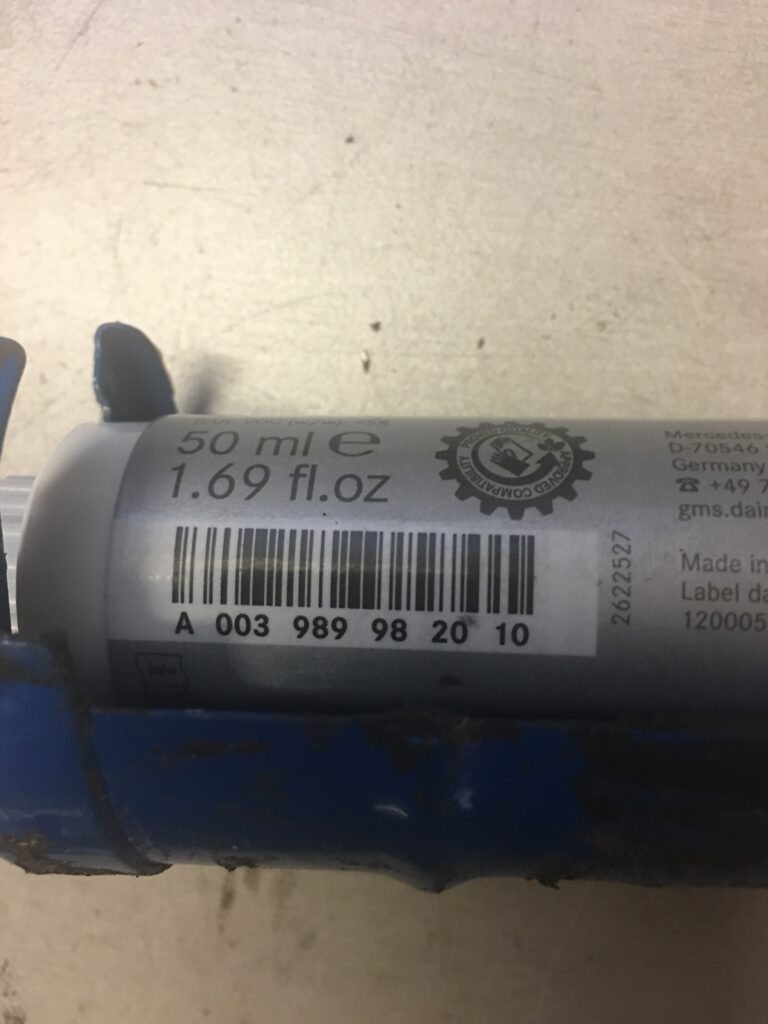
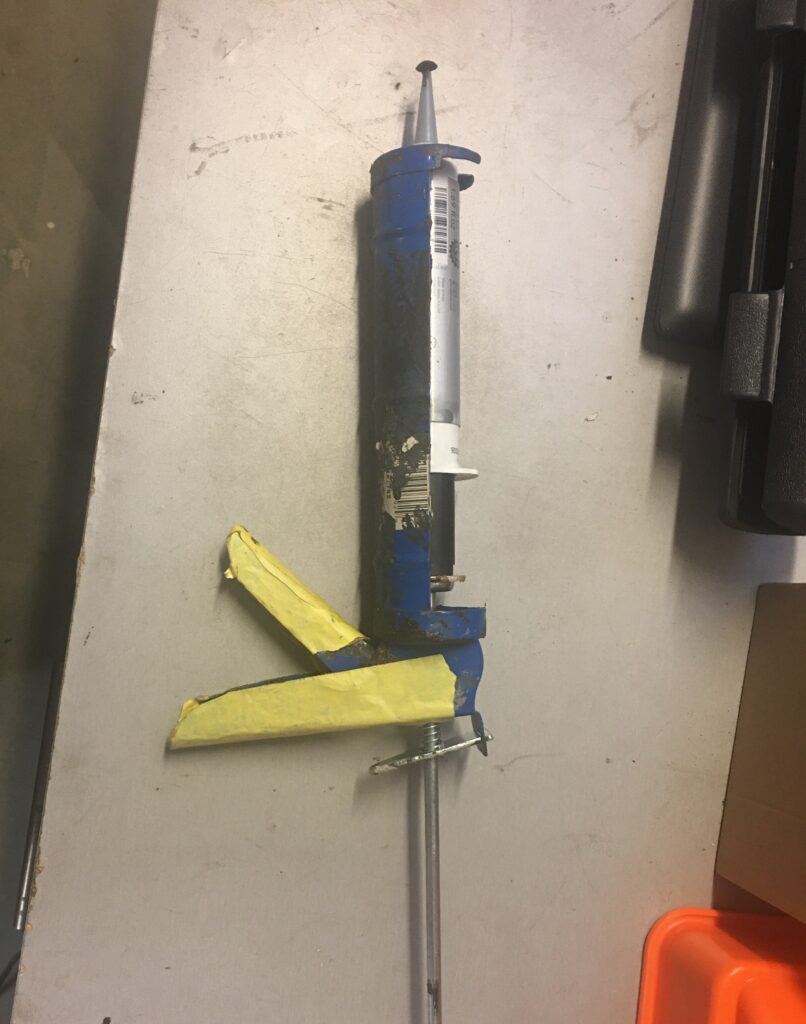
Essential toolsSway bar bracketFinally separatedOil level sensor goes through upper pan hereO-ring clearly not doing its jobNew sensor, attached by four E10 boltsLower pan cleaned up using razor blades, abrasive pad, and chemicalsThe upper pan also should be spotlessTake care cleaning the mating surfaces, I relied on Goof-Off and engine degreaser to loosen the old sealant then with a light touch used the straight razor blade and some Scotch-brite to ready the upper and lower pans for fresh sealant. Pans bolted back togetherThese ramps give me 20 inches of elbow room… less than $200The Mercedes sealant, Permatex Ultra-grey also does the jobThe bead should be a couple millimeters wide. The service drop-off area at Mercedes dealership. The sealant was twice as expensive here.
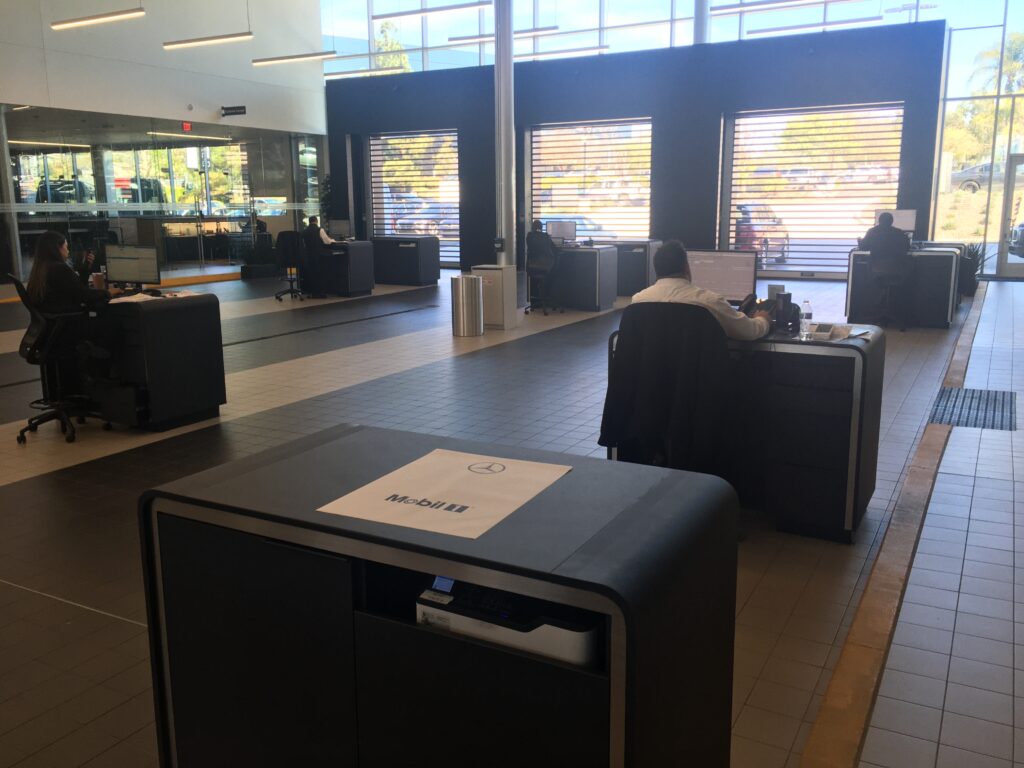
I do like the local Mercedes dealership, and they had taken care of our ML diesel before we swapped it for the Subaru Outback. It’s a great looking facility and of course the new cars on display are marvelous, but parts and service tend to be pricey. On the plus side, the parts department is totally open and honest about where the parts can be found at lower prices.
Now, with the oil filter housing and oil pan leaks addressed, hopefully the CLK55 engine is buttoned up for a few more miles. Next on the agenda is the transmission oil pan which seems to have sprung a leak.
A conversation about Citizens United, corporate campaign finance, Super PACs, and the 2024 Ohio Senate race
August 2026
The Barn
So, a political question… a corporation can go shopping for a potential winning candidate for the US Senate, fund the campaign, and if he wins he receives a luxurious life with good salary, good health care, good retirement. Does that just about sum it up?
The Mack
Broadly, there is a kernel of truth there, but an important legal distinction changes the picture.
A corporation cannot simply select a Senate candidate and pour unlimited corporate treasury money directly into that candidate’s campaign. Direct corporate contributions to federal candidates are prohibited. Individuals and certain PACs can contribute directly, but under contribution limits.
What changed dramatically after Citizens United v. FEC (2010) is that corporations can spend unlimited amounts independently advocating for the election or defeat of candidates. They can also provide money to organizations such as Super PACs that make independent expenditures. Legally, those expenditures cannot be coordinated with the candidate or campaign.
The Barn
That seems a pretty subtle, perhaps illusionary difference from my original premise. So a maze has been set up through which a corporation must find its way, but the road map is well established.
The Mack
Yes—with one qualification. Your description captures a reasonable criticism of how the system functions, even though the legal distinctions aren’t entirely illusory.
The “maze” is indeed well established. A corporation cannot hand Candidate Jones $20 million. But corporate money can travel through legally recognized channels—independent expenditures, Super PACs, trade associations and some nonprofit organizations—to support candidates and political causes.
The distinction the Supreme Court considers crucial is independence. If the corporation spends $20 million saying “Elect Jones” without coordinating with Jones, that is protected political speech. If it gives Jones $20 million to spend however he wants, that’s an illegal corporate campaign contribution. And if the money is offered in exchange for an official act, you’re in bribery territory.
The Barn
Can you summarize the Citizen’s United case and ruling for me?
The Mack
Certainly. Citizens United is much easier to understand if we separate what happened in the case from the much larger rule the Supreme Court ultimately announced.
The impetus behind Citizens United
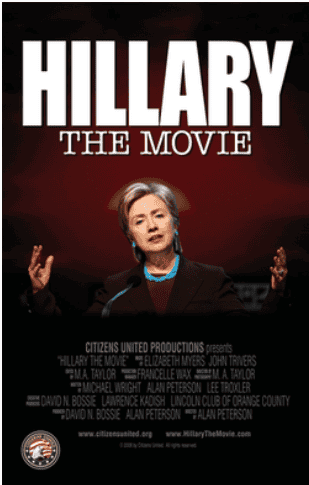
Citizens United was a nonprofit corporation that produced Hillary: The Movie, highly critical of Hillary Clinton while Clinton was seeking the Democratic presidential nomination in 2008. Citizens United wanted to distribute and advertise the film close to the election.
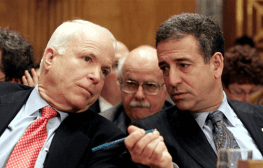
McCain – Feingold got it right(er)
A federal campaign-finance law—the Bipartisan Campaign Reform Act of 2002 (McCain-Feingold)—restricted corporations and unions from using their general treasury funds for certain election-related communications shortly before federal elections. Citizens United challenged those restrictions as violating the First Amendment’s protection of free speech.
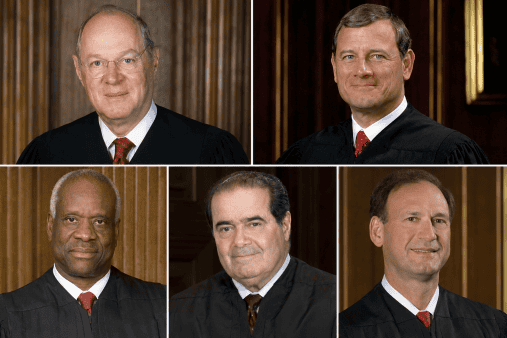
In January 2010, the Supreme Court ruled 5–4 in favor of Citizens United. The central principle was essentially: the government generally cannot prohibit political speech merely because the speaker is a corporation.
Kennedy wrote majority opinion; Roberts, Thomas, Scalia, and Alito joined.
The decision did not legalize unlimited corporate contributions directly to candidates. A corporation still cannot simply write a $20 million check to a candidate’s campaign. The distinction remained: direct contribution to candidate—restricted/prohibited; independent spending advocating Candidate Smith’s election—constitutionally protected.
Later in 2010, SpeechNow.org v. FEC, applying the reasoning of Citizens United, concluded that organizations making only independent expenditures could accept unlimited contributions. Put together, the decisions produced much of the modern Super PAC system.
The Barn
Under the McCain-Feingold Act, how was “shortly before” federal elections defined?
The Mack
Under the Bipartisan Campaign Reform Act of 2002 (McCain–Feingold), the relevant provision defined an “electioneering communication” as certain broadcast, cable, or satellite communications that clearly identified a federal candidate and were aired within 30 days before a primary election or nominating convention, or within 60 days before a general election.
The Barn
Let’s look at an actual Senate race, vis a vis campaign financing
The Mack
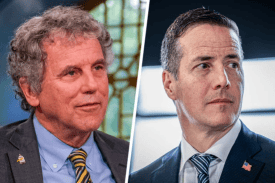
Given what we’ve been discussing, the 2024 Ohio Senate race between Democratic incumbent Sherrod Brown and Republican challenger Bernie Moreno is almost a laboratory demonstration of the system. It was extraordinarily expensive, involved enormous amounts of outside money, and Moreno won.
Brown v Moreno 2024 Ohio Senate race
Brown’s campaign raised far more than Moreno’s own campaign, but outside Republican groups supplied enormous support for Moreno. The cryptocurrency industry provides a particularly clear example. A network of crypto-funded Super PACs announced substantial spending to help elect Moreno. Major financial backers included Coinbase, Ripple and venture-capital firm Andreessen Horowitz. Moreno was considered friendly toward cryptocurrency; Brown, who chaired the Senate Banking Committee, had been a prominent crypto skeptic.
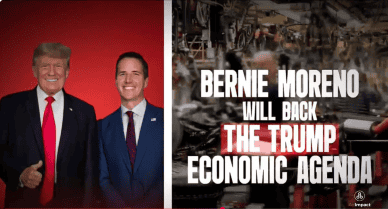
Crypto spent $40 million advocating Moreno, and never mentioned Crypto
The money trail looked approximately like this: crypto companies and investors → independent Super PAC → millions of dollars of advertising supporting Moreno → voters elect Moreno → Moreno becomes U.S. Senator.
The Barn
Tell me more about the Moreno – Crypto connection.
The Mack
This is where the example becomes especially useful, because we can compare money before the election with governmental action afterward—while being careful not to confuse correlation with proof of a bargain.
Defend American Jobs, part of a network including Fairshake and Protect Progress, spent roughly $40 million supporting Bernie Moreno. Major supporters of the network included Coinbase, Ripple and Andreessen Horowitz. Much of the advertising itself did not talk about cryptocurrency; it used conventional political themes designed to persuade Ohio voters.
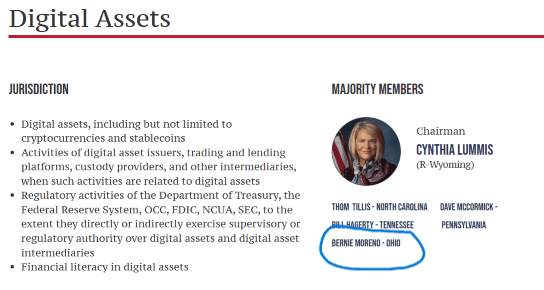
After winning, Moreno was appointed to the Senate Banking, Housing and Urban Affairs Committee and its Digital Assets Subcommittee. That sequence is factual, but it does not demonstrate that the industry purchased the committee assignment nor does it establish a quid pro quo.
Congress subsequently considered major cryptocurrency legislation, including the GENIUS Act governing payment stablecoins. Moreno supported it, but so did many Democrats; the legislation received substantial bipartisan support.
The broader phenomenon is a political feedback loop: industry accumulates enormous economic resources → industry finances independent political organizations → organizations identify sympathetic candidates → organizations spend heavily helping elect them → successful candidates enter Congress → Congress considers legislation important to that industry → industry supports friendly legislators and threatens electoral opposition to hostile ones → next election, repeat.
That creates political influence without anyone ever needing to say, “Vote this way and we’ll give you money.”
The Barn
Just to be clear on one thing, since 2010 there is no restriction on the timing of a corporation or PAC ad promoting a candidate. In other words they can advertise right up through election day, correct?
The Mack
Yes, essentially correct.
After Citizens United, a corporation, union, Super PAC, or other independent spender can pay for an advertisement expressly supporting or opposing a federal candidate right up through Election Day, provided the expenditure is genuinely independent of the candidate’s campaign and complies with disclosure/disclaimer rules.
So the old McCain–Feingold 30-day-before-a-primary / 60-day-before-a-general-election restriction on corporate-funded “electioneering communications” no longer prohibits that spending.
The Barn
It seems like the removal of those 30/60 day restrictions can be an obstacle to actually hearing from the candidates. Why step in front of a camera or microphone when corporations and PACs have already painted the landscape, making a candidate appealing?
The Mack
Yes. I think you’ve identified a real incentive created by the modern system, although I’d separate it from what Citizens United legally decided.
A candidate can benefit enormously from outside organizations doing the political persuasion for him. If a Super PAC spends $30 million defining him as a successful businessman, defender of working families, tough on crime, etc., the candidate doesn’t necessarily need to expose himself to the risks inherent in a two-hour debate or an unscripted town hall.
Fairshake (crypto PAC) video advocating for Moreno, no mention of crypto
Those risks are asymmetric. A polished advertisement is completely controlled. A debate isn’t. One bad answer, an embarrassing exchange, or a 20-second clip that goes viral can overwhelm days of carefully constructed messaging.
I would hesitate to attribute the decline or avoidance of debates primarily to Citizens United. Targeted social-media advertising, partisan media, podcasts, campaign-controlled video, declining local journalism and voter databases also allow campaigns to reach selected voters without submitting candidates to uncontrolled questioning.
The democratic distinction is important: political advertising tells voters what someone wants them to believe about a candidate. A debate, town hall or adversarial interview lets voters observe the candidate thinking and responding for himself.
The Barn
Okay, can you inform me about personal appearances made by either candidate in the Brown/Moreno race.
The Mack
The Brown/Moreno race turns out to support your concern rather strikingly.
There was no general-election debate between Sherrod Brown and Bernie Moreno. Both men said they wanted to debate, but neither committed in a way that produced one, and the election took place without them facing one another in a general-election debate.
Meanwhile, voters were being inundated with political advertising in a race involving hundreds of millions of dollars. The contrast is striking: Ohioans experienced one of the most expensive Senate campaigns in American history—with enormous sums devoted to persuading them whom to elect—without the two candidates ever standing on the same general-election debate stage.
The Barn
Thank you, that was an informative conversation. We will pick it up again later.
The Mack
I enjoyed the discussion — from your original “corporation goes shopping” proposition, through Citizens United, and finally seeing how those abstractions played out in an actual Senate race.
The Brown–Moreno example gave us a particularly useful reality check: hundreds of millions spent communicating about two candidates who never actually debated each other. That’s a fact worth pondering.
The Barn
There are a number of websites that help us remove the veil and discover the candidates and the money behind them. The following post – Who Is This Candidate – reveals some of those sources.
How do we find out who a political candidate really is? We can follow the money, examine who is financing the campaign, compare the candidate’s public statements with voting records, and look beyond campaign advertising to see what the candidate has actually said and done.
This should be the foundation. The FEC lets you search every Senate candidate, the candidate’s authorized committee, contributions received, PAC contributions, and—particularly important for our purposes—independent expenditures supporting or opposing that candidate.
Issue One — particularly good for the dark-money layer
This is becoming especially useful in this election cycle. Issue One is already tracing 2026 money flowing from nonprofits into the major congressional super PACs.
Utilize this as your initial lens to pinpoint major contributors, key industrial sectors, and independent groups; subsequently, pivot to raw FEC records to substantiate the specific financial movements.
THE CANDIDATES
Who are these people, what they have said, and what they have done?
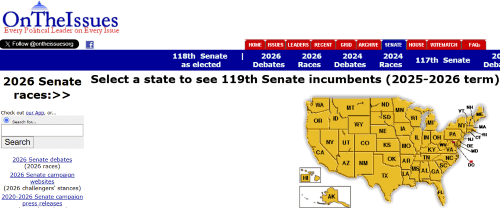
It has already assembled a 2026 Senate section, organized by state and candidate. More importantly, it collects statements by issue from campaign websites, press releases, debates, interviews and previous public statements. It preserves dated quotations, which helps you track changes in a candidate’s position.
Ballotpedia is a good starting point for biographical information: age, education, occupation, previous offices, electoral history, endorsements and campaign information.
Vote Smart is especially valuable for candidates who have previously held public office because it combines biography, issue positions, ratings by interest groups, public statements and voting records.
Congress.gov gives us legislation sponsored and cosponsored, roll-call information and congressional activity.
For very recent issues, add contemporary news searches
This is necessary because the databases inevitably lag behind events.
So for rapidly developing subjects, search AP, Reuters, local newspapers, television interviews, debate transcripts and the candidates’ own statements rather than depending entirely upon Ballotpedia or OnTheIssues.
For much of American history, immigration worked very differently than it does today. Between 1880 and 1920, tens of millions of immigrants arrived in the United States during an era with few numerical limits on immigration. Who came, why were they welcomed—or opposed—and what eventually caused America to begin closing the door?
The Barn
What was our immigration policy in the late 1800s ?
The Mack
The easiest way to understand U.S. immigration from 1880 onward is as a series of fairly distinct eras. And one striking feature is that the immigration system we have today is quite different from the one the country had for most of the 20th century.
Around 1900, the United States was in the middle of one of history’s great migrations.
Between roughly 1880 and 1920, millions arrived, increasingly from Italy, Austria-Hungary, Russia, Poland and other parts of southern and eastern Europe, rather than the northern and western European countries that had supplied many earlier immigrants.
Give me your tired, your poor, your huddled masses yearning to breathe free
There was no general numerical ceiling on European immigration. If an immigrant arrived, passed inspection, wasn’t considered likely to become a public charge, didn’t have certain diseases or criminal problems, and wasn’t otherwise in an excluded category, he or she could generally enter.
But it wasn’t completely open immigration. The federal government had already begun excluding particular groups:
The Chinese Exclusion Act of 1882 essentially stopped Chinese labor immigration.
Contract labor laws restricted importing foreign workers under certain employment arrangements.
Anarchists, people with certain diseases, prostitutes and some other categories could be excluded.
Immigration officials could reject someone considered “likely to become a public charge.”
Mexico and Canada were comparatively unrestricted.
The Barn
Tell me a little more about the Chinese Exclusion Act of 1882
The Mack
It was the first major federal immigration law to exclude people principally on the basis of nationality and class, and it helped establish the federal government’s modern role in controlling immigration
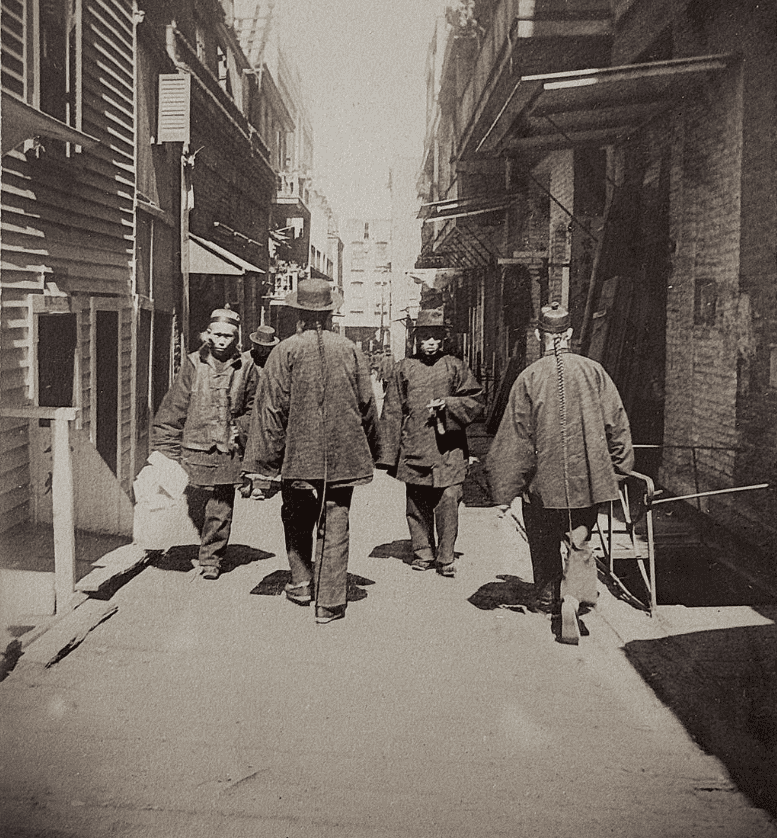
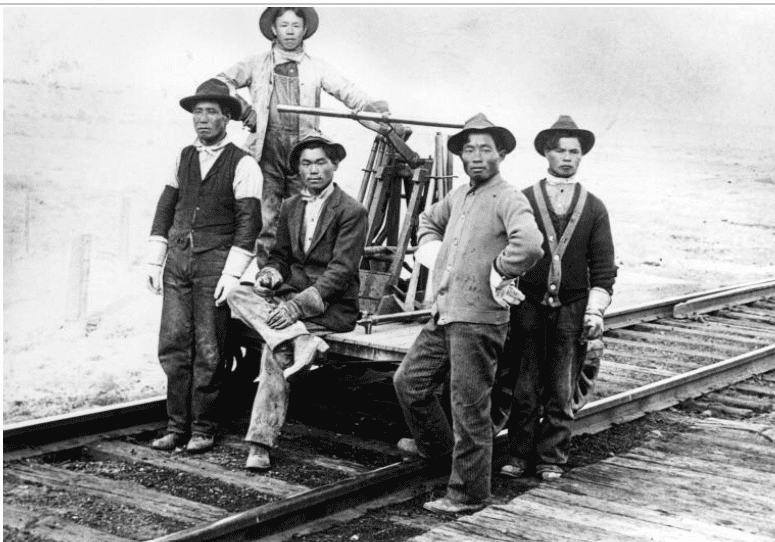
Large-scale Chinese immigration began after the California Gold Rush and accelerated with construction of the western railroads. Thousands of Chinese laborers worked on the Central Pacific portion of the transcontinental railroad and later in agriculture, mining, manufacturing, laundries and other businesses.
The Chinese population in the United States grew from about 35,600 in 1860 to 105,600 in 1880.
By 1880 there were roughly 105,000 Chinese-born people in the United States, overwhelmingly in the West. That was actually a tiny fraction of the national population, but the concentration in California made their presence much more conspicuous.
Economic competition became intertwined with overt racial hostility. Chinese workers were accused of depressing wages and taking jobs from white workers. Labor organizations became particularly important proponents of exclusion.
The Barn
Why did Chinese workers come to California in such numbers in the first place?
The Mack
The first big attraction was the California Gold Rush after 1848. Conditions in southern China also pushed migration: poverty, political turmoil and warfare, while California offered wages enormously higher than those available at home. Many migrants were young men who viewed America—Gam Saan, the “Gold Mountain”—as a place to earn money and eventually return to China.
After the Gold Rush came the trans-continental railroad.
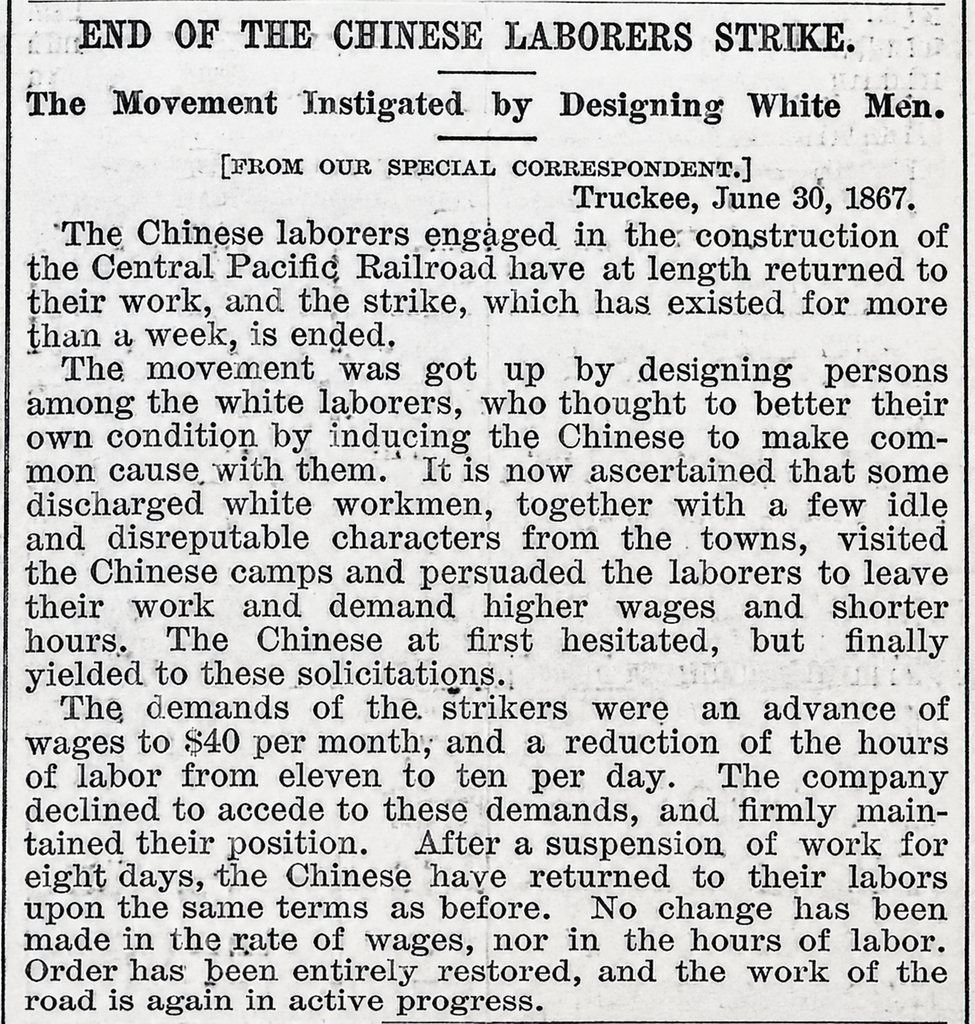
Chinese worked for $30 per month; white Europeans received $35 per month plus room and board… big savings for Central Pacific RR
The railroad didn’t initially hire Chinese workers because it preferred Chinese people. It hired them because it needed labor. Once employers discovered that the workers were productive and comparatively inexpensive, they wanted more of them.
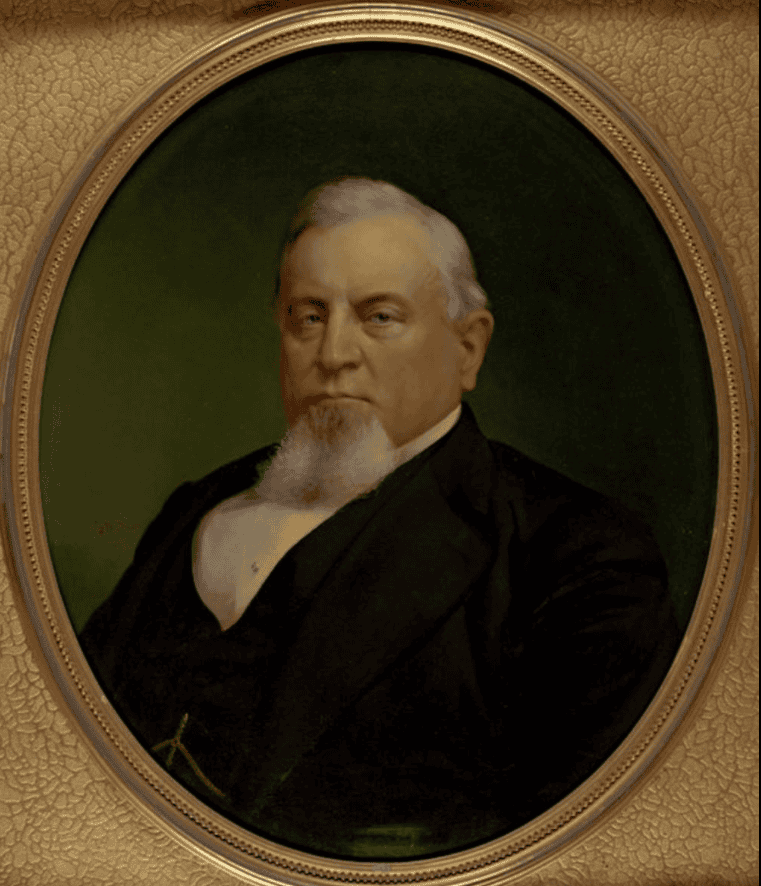
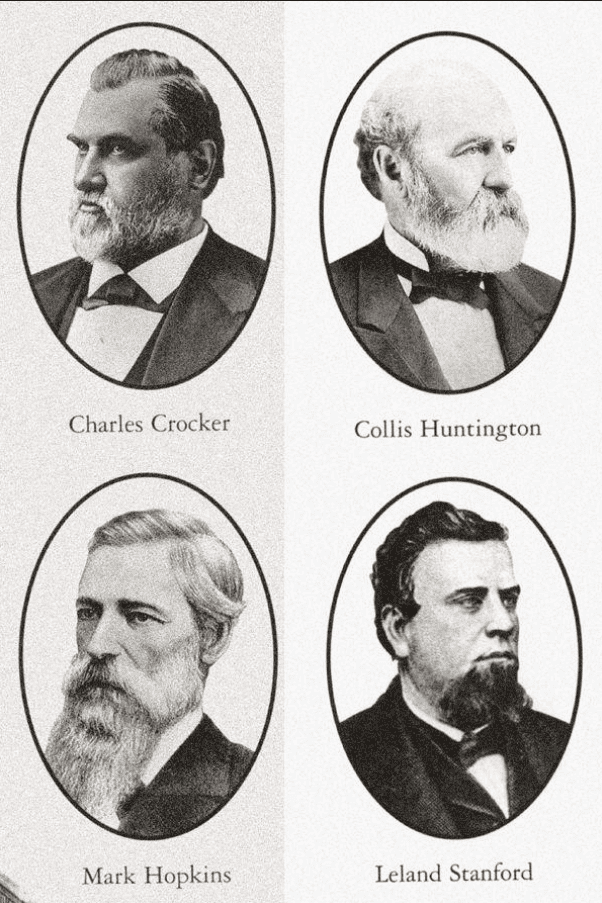
Charles Crocker, Central Pacific RR
Central Pacific desperately needed labor in 1865—it had work for perhaps 4,000 men but could retain only around 800. Crocker pushed the idea of trying Chinese labor despite strong objections from construction superintendent James Strobridge. They started with about 50 Chinese workers. Their performance changed management’s opinion dramatically, and eventually Chinese workers constituted perhaps 80% of Central Pacific’s construction workforce. Crocker later recalled that when they needed something done quickly, they learned it was often better to put Chinese crews on it.
Eventually, about 11,000 Chinese workers were working on the Central Pacific by 1868. The company’s attitude changed dramatically. Chinese workers acquired a reputation among Central Pacific management for being reliable, efficient and remarkably capable workers.
The Big Four of the Central Pacific Railroad
The Barn
What did Chinese immigration do to the American labor market?
The Mack
A couple things. So the nominal wage difference—$30 versus $35—understates the real disparity. The National Park Service estimates Chinese workers’ overall compensation was about 30% lower than European and European-American workers once the different treatment is taken into account.
The disparity was maintained by a familiar tactic, used throughout our history… busting the workers’ strike.
Crocker and the Central Pacific cut off supplies to the Chinese to force them to drop their demands and return to work
Secondly, the Chinese experience suggests something much more interesting: immigrant labor can simultaneously compete with some American workers, complement others, lower employers’ costs, increase production and create additional jobs elsewhere in the economy. If you remove that labor, you have to trace ALL of those effects—not merely count the job that the immigrant previously occupied.
Next up…
1917–1924: America closes the door
World War I, nationalism, labor concerns and fears about the enormous immigration wave changed the political climate. This brought on the biggest immigration-policy reversal in
In just fourteen years, the United States went from encouraging Chinese immigration under the Burlingame-Seward Treaty to restricting it with the Chinese Exclusion Act. What happened between 1868 and 1882?
The Barn
Let’s talk about the “Chinese Problem.” By 1869, the Central Pacific’s Chinese workforce had grown to 11,000, which was 80 percent of the CP workforce. The Central Pacific was in a big rush to lay tracks, weren’t they?
The Mack
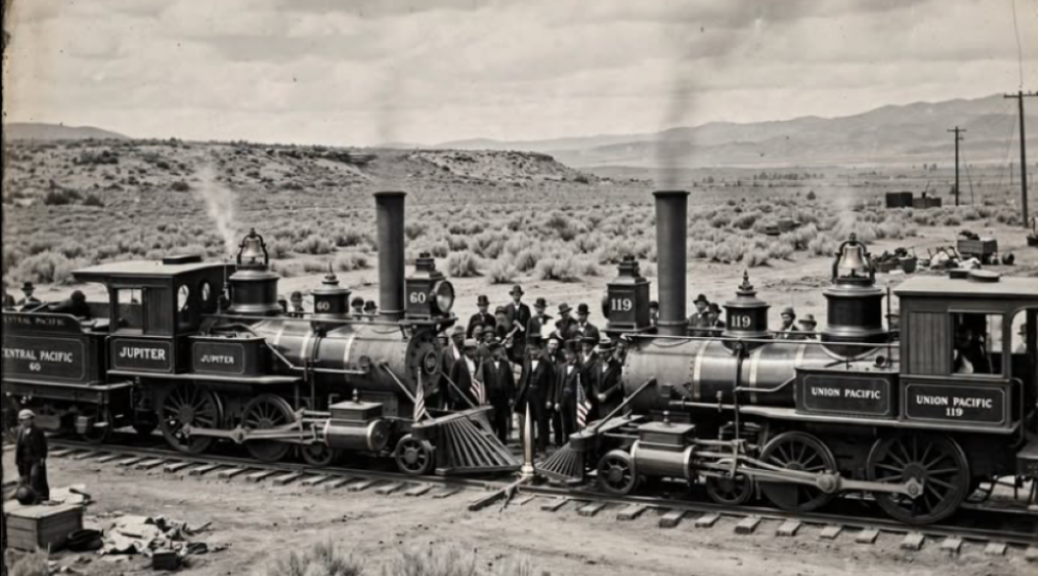
Right, the transcontinental railroad would be completed when the Central Pacific met the Union Pacific at Promontory Summit, Utah, on May 10, 1869. And those miles of track were a very lucrative endeavor for the Central Pacific and the Big Four… Crocker, Hopkins, Stanford, and Huntington.
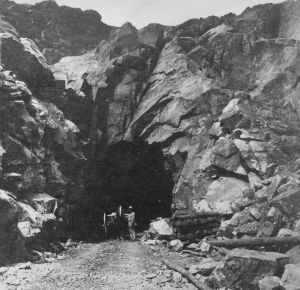
Punching a hole for the Central Pacific RR at Donner Pass
The Central Pacific began seriously experimenting with Chinese laborers in 1865, initially hiring a relatively small group because Charles Crocker and the other Central Pacific leaders were having great difficulty recruiting and retaining enough white workers in California. The Chinese workers proved effective, and the experiment expanded rapidly.
And there’s an important irony that connects directly with what we’ve been calling the “Chinese Problem.” The Chinese workers went from being a labor force that many Central Pacific managers initially doubted could do railroad construction to being indispensable to completing one of the country’s most celebrated national projects. Yet almost immediately afterward, Chinese immigration and Chinese workers increasingly became characterized in California politics as a social and economic “problem.”
The Barn
What did the Burlingame-Seward Treaty establish between China and the United States? And when was the treaty ratified?
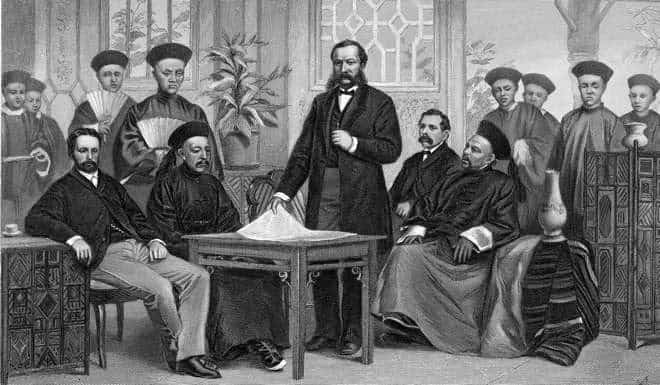
The Burlingame-Seward Treaty, ratified November 1869
The Mack
The Burlingame–Seward Treaty was negotiated and signed in Washington, D.C., on July 28, 1868, and ratifications were exchanged on November 23, 1869.
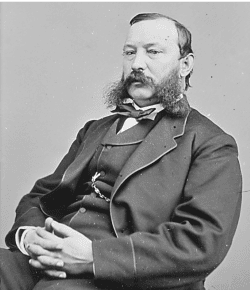
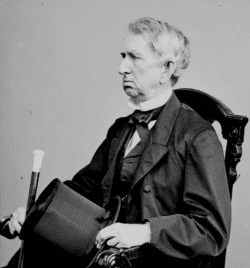
The treaty was negotiated by Anson Burlingame, representing China, and Secretary of State William H. Seward for the United States. Crucially, it recognized the “inherent and inalienable right of man to change his home and allegiance” and encouraged voluntary migration between China and the United States.
Anson Burlingame, representing Chinese interests
So at almost exactly the moment the Chinese railroad workforce was demonstrating its enormous economic value, the official policy of the United States was actually moving toward freer Chinese immigration—not exclusion.
William Seward, U.S. Secretary of State
The bargain was essentially reciprocal:
Americans could travel, reside, trade and pursue opportunities in China; Chinese could travel and reside in the United States.
Seward’s great foreign-policy objective was American access to China—a potentially enormous market. The United States was competing with Britain and the other European powers for trade and influence there. The State Department’s own historical account describes American objectives as gaining access to profitable Asian trade and increasing American influence in China.
But there was another reason that is especially pertinent to our conversation.
Washington actually wanted more Chinese labor
The State Department’s history says explicitly that the treaty ensured a continuing supply of inexpensive Chinese immigrant labor for American businesses and that American industrial leaders initially celebrated it for precisely that reason.
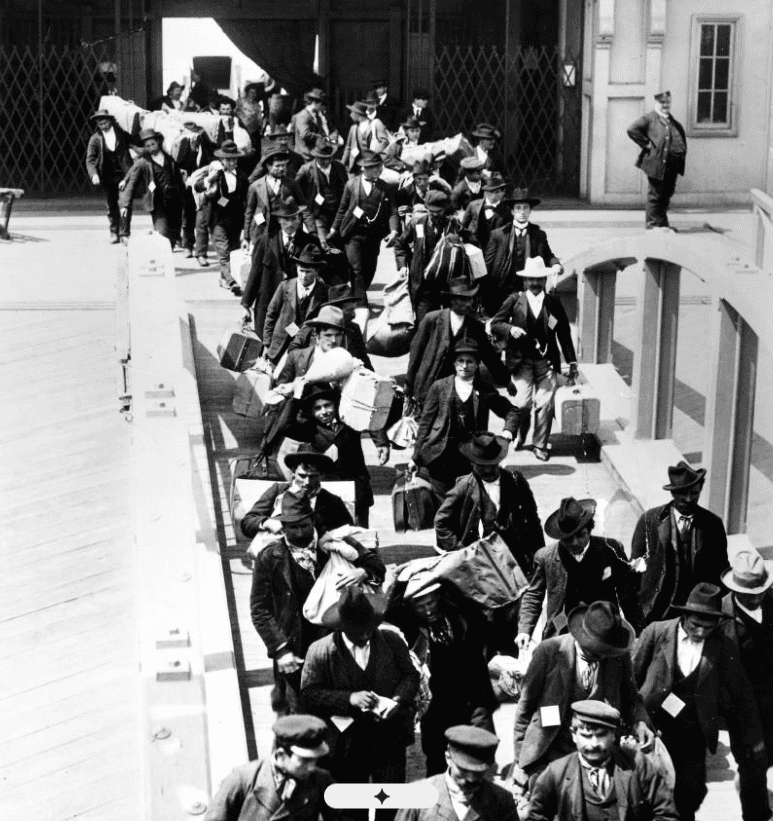
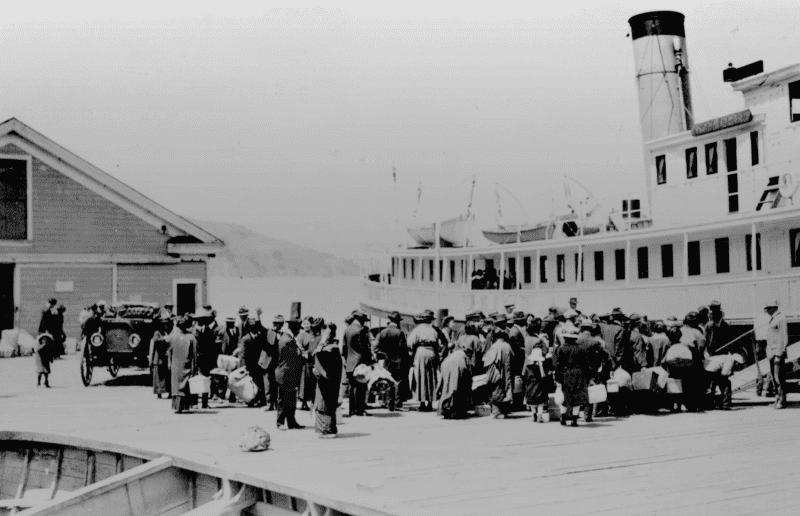
Angel Island arrivals bound for San Francisco, notoriously more exclusionary than Ellis Island on the other coast
Even more strikingly, when the treaty was still awaiting Chinese ratification, the new Grant administration’s Secretary of State, Hamilton Fish, actively pushed for ratification. A later State Department diplomatic history records Fish welcoming Chinese laborers coming by the “thousands” and predicting that their movement eastward would “continue and increase.”
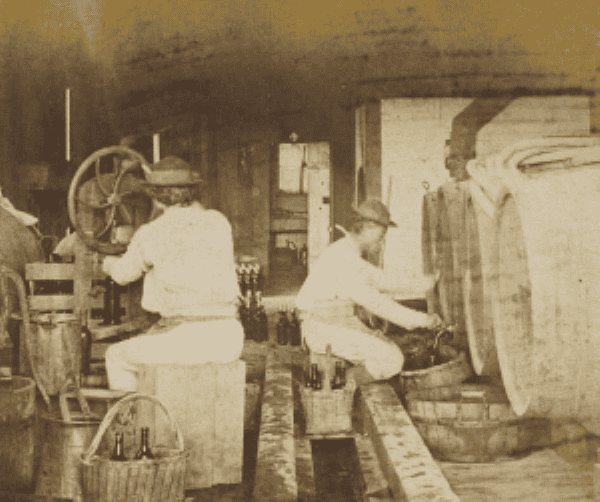
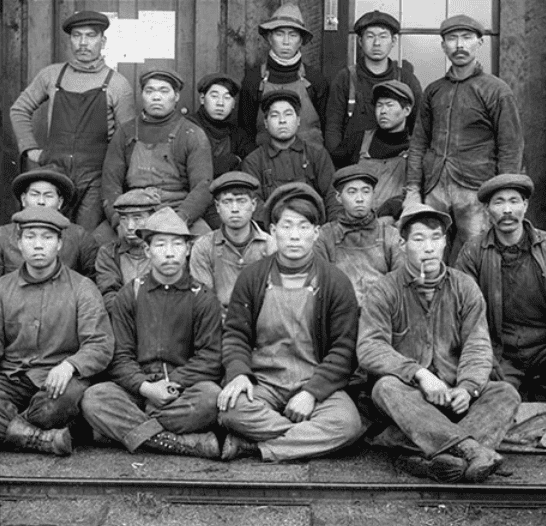
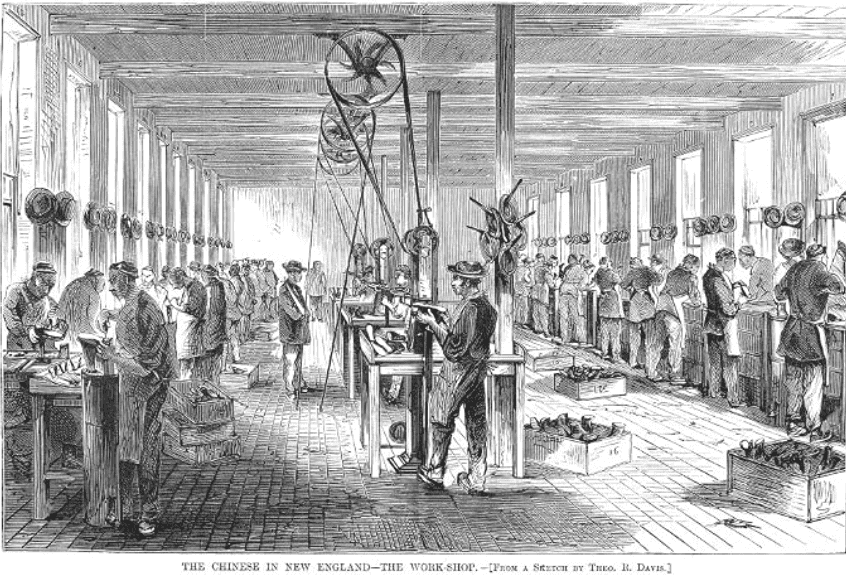
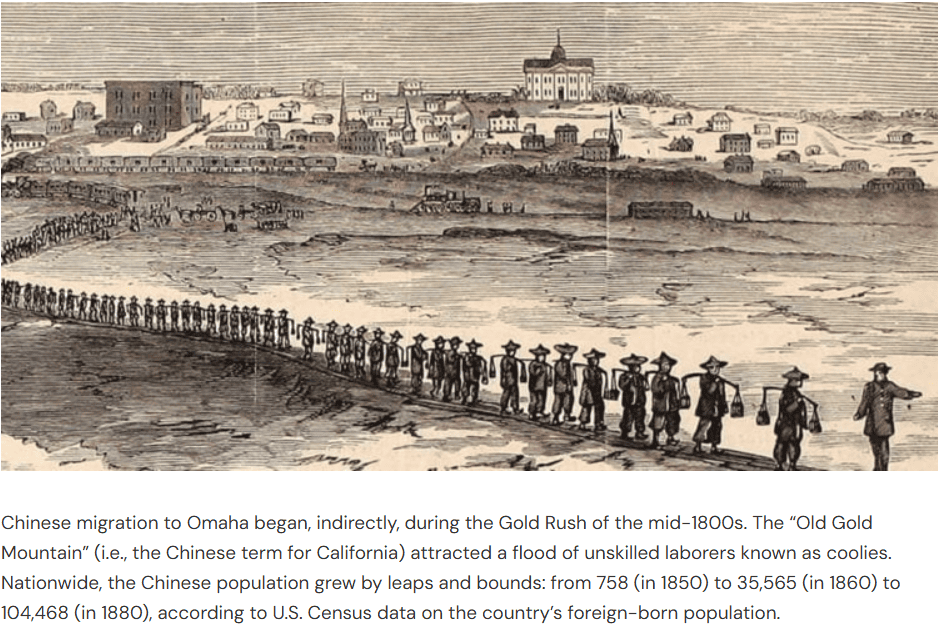
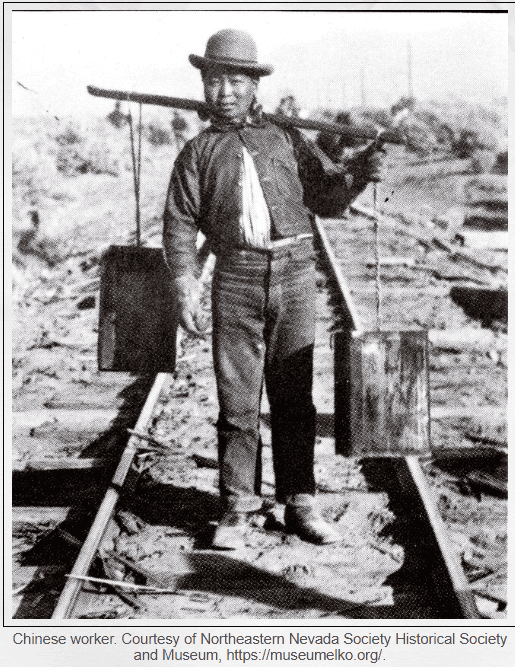
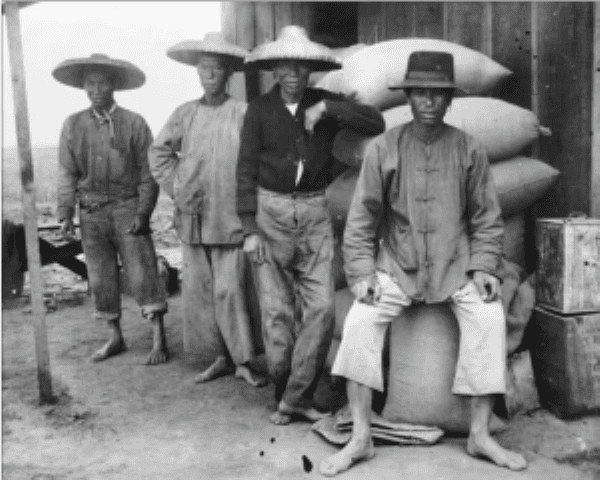
Filling wine bottles Buena Vista Winery Ready to lay track for the Central PacficShoemakers in New England“Coolies” in OmahaHauling supplies in NevadaAgricultural work in Califonia
The thinking wasn’t:
We needed 11,000 Chinese to build the Central Pacific.
It was closer to:
Chinese labor helped build the Central Pacific. Why shouldn’t Chinese labor help build the rest of the American economy?
The Barn
So in 1869 when the treaty was ratified, there were already two very different American views of Chinese immigration?
The Mack
Yes. California had experienced anti-Chinese agitation since the 1850s. An 1868 federal report describes California politicians trying to restrict Chinese immigration while merchants, manufacturers and capitalists argued that Chinese labor and the China trade were extremely important to the state’s economy.
Meanwhile, the national government was looking westward across the Pacific and seeing something different:
China = trade + markets + diplomatic influence + labor.
So Washington ratified a treaty guaranteeing essentially free voluntary migration at almost precisely the moment when the particular labor shortage that had made Chinese workers indispensable to the Central Pacific Railroad was disappearing.
The Barn
It sounds to me like the Chinese Problem boils down to employers versus laborers.
The Mack
Yes, and I think that’s a cleaner way of understanding the early conflict than starting with racism alone.
A remarkable 1868 federal report from California practically says this explicitly. It describes a large and influential group of “merchants, manufacturers, capitalists” who valued Chinese labor and trade. It then describes white laborers objecting because Chinese workers supplied the labor market and frustrated workers’ attempts to control the price of labor. The author even states the economic conflict plainly: workers naturally try to obtain as much as possible for their labor, while “capitalists should endeavor to cheapen labor as much as they can.”
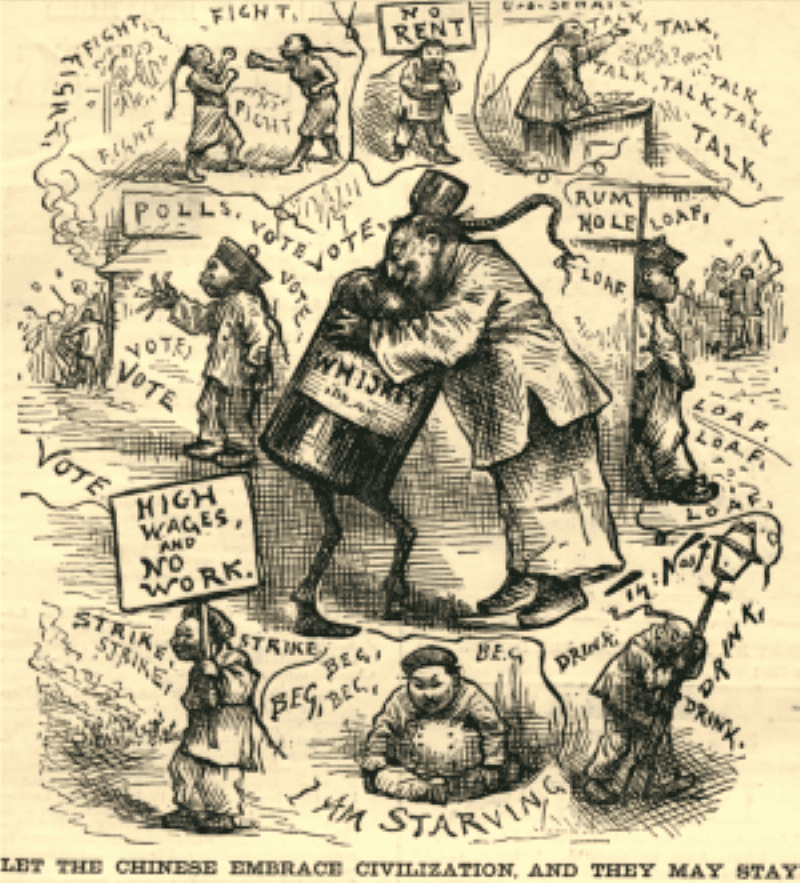
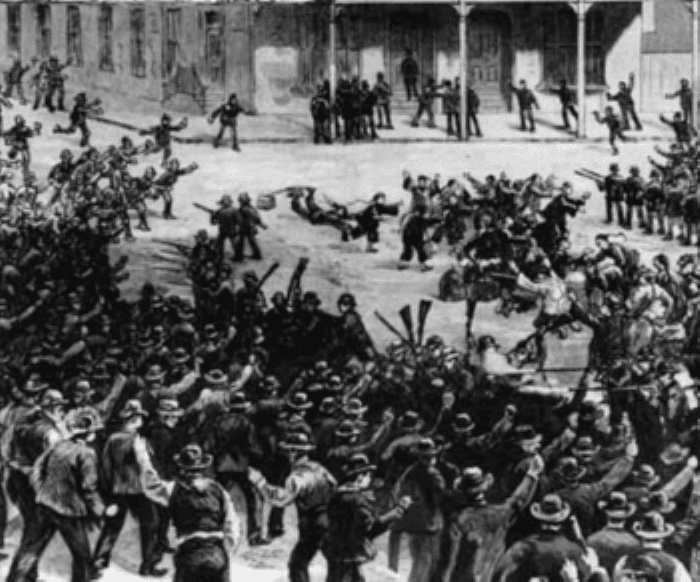
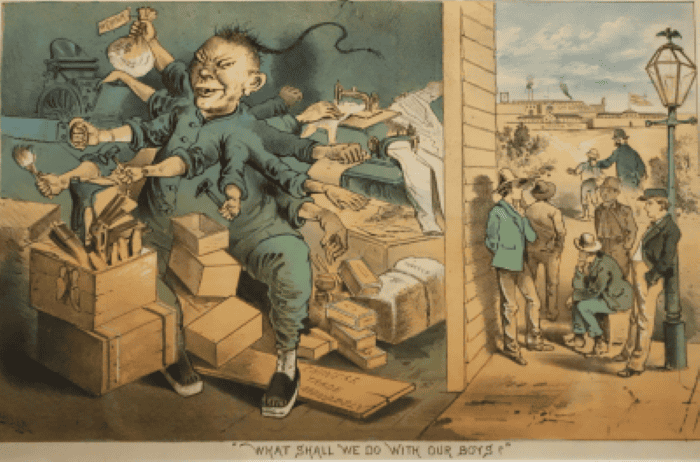
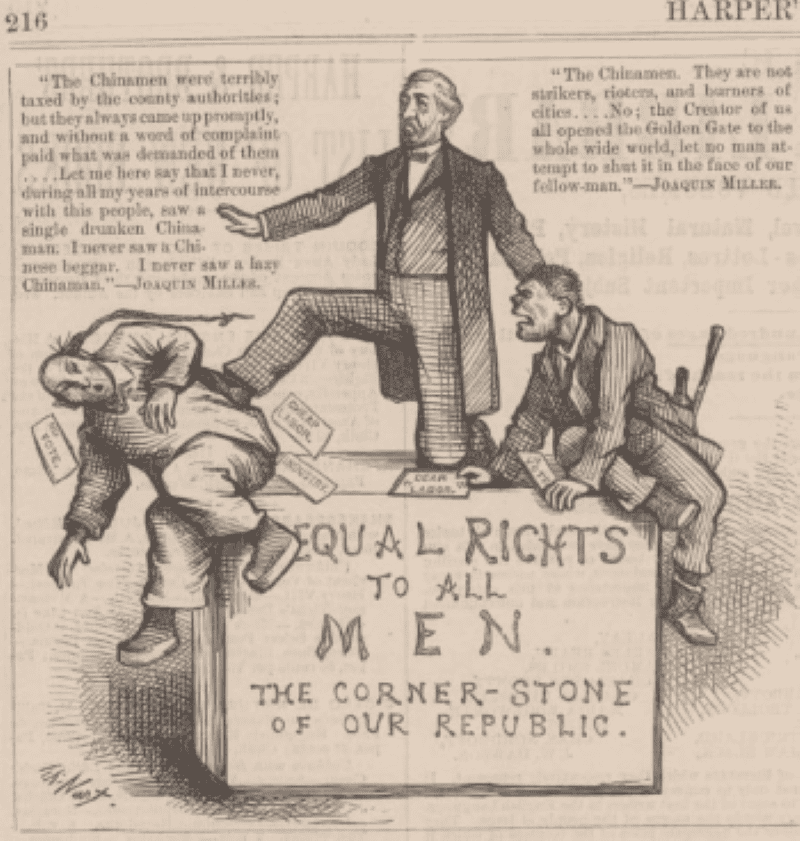
This depiction doesn’t square with their Central Pacific RR accomplishmentsNot welcome hereChinese rounded up and shipped out in Seattle
So by 1869 you can reasonably picture two economic interests:
Employers/capital:California needs workers. Chinese labor is reliable, relatively inexpensive, and expands what we can build, manufacture, mine and grow.
White labor:The Chinese willingness to work for less increases the supply of labor, weakens our bargaining power, and makes it harder for us to demand higher wages.
The Barn
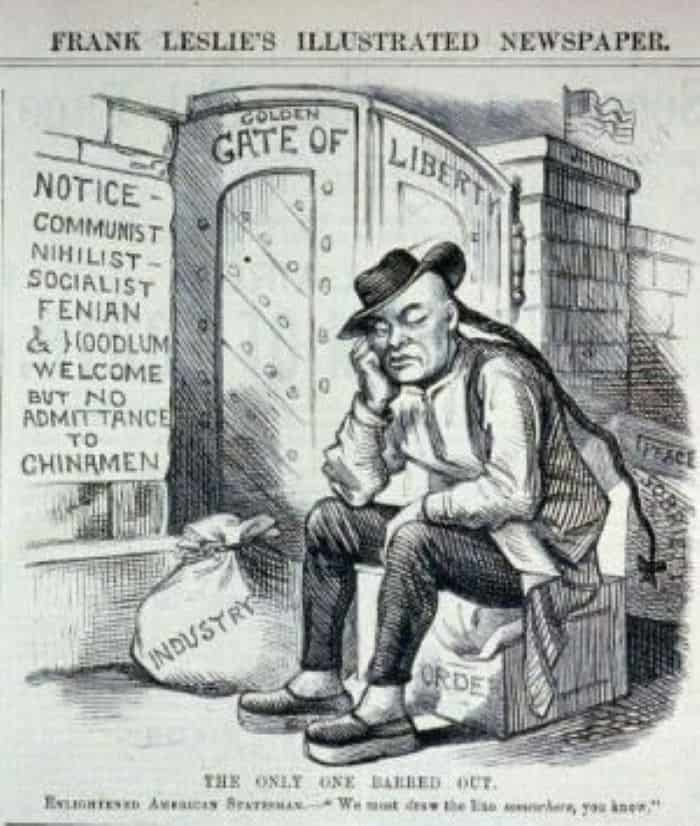
The Burlingame-Seward Treaty opened the gate and the Chinese Exclusion Act slammed it shut, and in the intervening 14 years around 200,000 Chinese arrived in the United States. How did our national government so thoroughly and completely change their attitude during that span? What happened?
The Mack
Initially, the Burlingame-Seward Treaty reflected a remarkably optimistic national view. Washington wanted commerce with China, good relations with the Qing government, and access to Chinese labor.
The railroad had demonstrated that Chinese workers were reliable and productive. Once it was finished, Chinese labor didn’t disappear. Workers moved into agriculture, mining, factories, construction, laundries, domestic service and additional railroad building throughout the West.
But then came the Panic of 1873 and the long economic depression that followed.
Unemployment rose. Wages came under pressure. And suddenly the Chinese worker—who had been praised when labor was scarce—was portrayed as a threat when labor was plentiful.
Denis Kearney, Workingman’s Party… “The Chinese must go!”They’re taking all the jobs!Blaine, the senator from Maine changed his tune, once welcoming the Chinese
The political argument became brutally simple:
“Chinese workers are taking white men’s jobs and depressing wages.”
And the rallying cry of Denis Kearney and the Workingman’s Party:
“The Chinese must go”
The Barn
The Burlingame-Seward Treaty triggered a surge in Chinese immigration. Is it also true that the Panic of 1873, also known as The Long Depression, triggered the Chinese Exclusion Act?
The Mack
Yes—with an important qualification. I think that is a very useful way to frame the story, provided we say the Panic of 1873 accelerated and politically empowered an exclusion movement that already existed, rather than literally caused it.
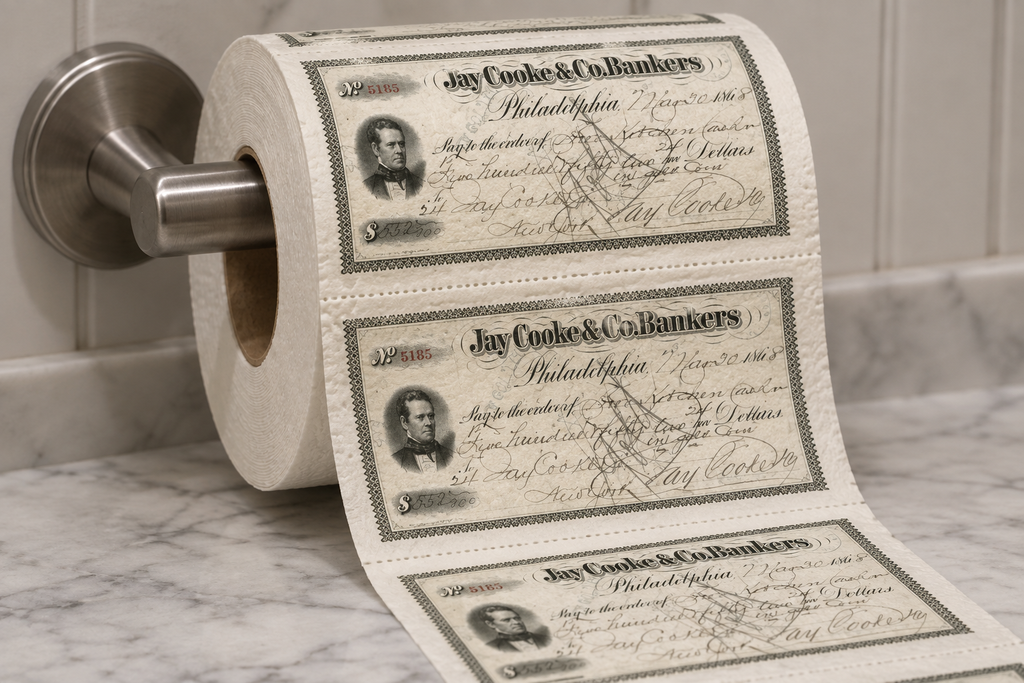
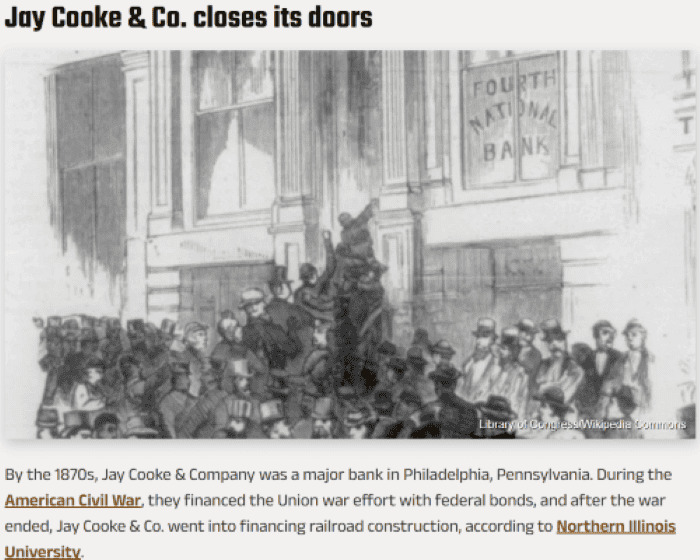
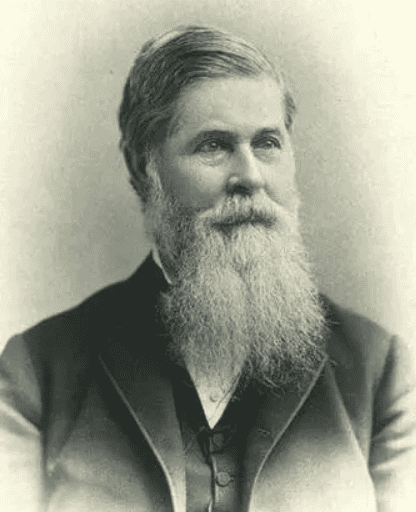
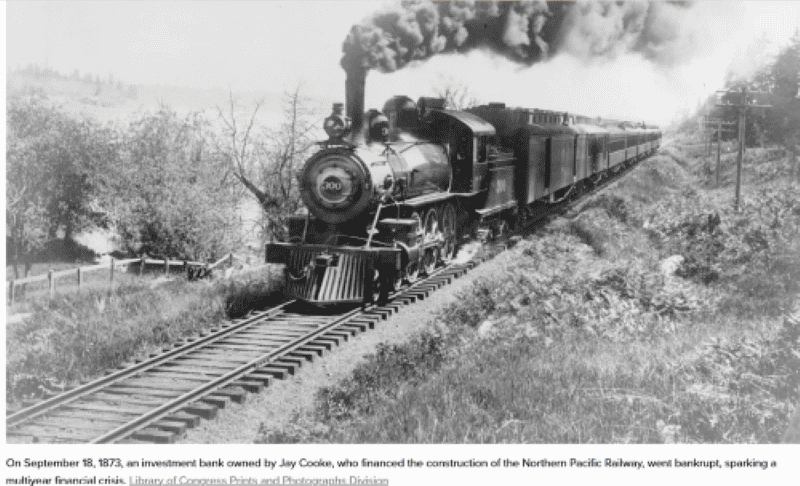
Alternate use of the Jay Cooke bondsThe Long DepressionThe Panic of 1873… a big factor in the Chinese Exclusion, tanking employmentJay Cooke, financier, who helped the U.S. raise money in the Civil WarAfter the war his investment bank financed the Northern Pacific Railway… a speculative disasterCooke could retreat to his Pennsylvania estate, Ogontz
Your two bookends work rather well:
Burlingame-Seward helped open the gate wider. The Panic of 1873 supplied much of the economic and political energy that eventually slammed it shut.
That last point is important. The Panic didn’t immediately close the gate. Quite the opposite: large numbers of Chinese continued arriving while economic conditions were deteriorating.
And that created an explosive combination:
More workers arriving + fewer jobs + falling wages + business failures + existing racial hostility.
The Barn
The Panic of 1873 certainly deserves more discussion?
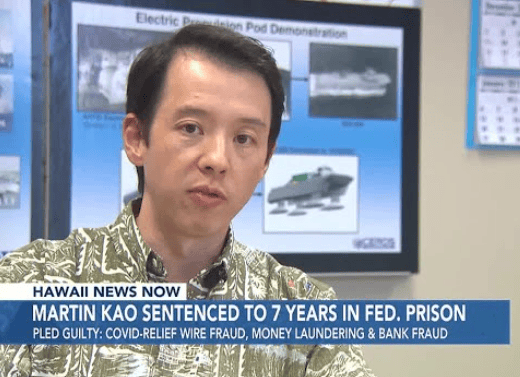
Navatek CEO Martin Kao and Maine Senator Susan Collins take campaign finance law to the limit. Campaign contributions, millions in federal defense spending, a shell company, a super PAC and an FBI bribery investigation all intersect in this story. The timeline below charts the path.
Susan Collins, Navatek and the Money Trail
Summer 2018
Navatek CEO Martin Kao and associates begin making significant political contributions connected with Sen. Susan Collins. The contributions occurred shortly before Collins included $8 million for a Navatek proposal in the defense budget.
Look what we can do: a 3D printed boat for the Navy! Senator Collins seems to like it, so…
2018–Feb. 2019
A Navy official wrote on Feb. 6, 2019: “I spoke with Sen. Collins office regarding the $8M,” adding that the interested company was Navatek.
April 2019 onward
In emails Navatek’s CEO Kao and lobbyist Glen Mandigo simultaneously discuss Navatek’s Collins-supported government work and fundraising for Collins’s reelection campaign with campaign personnel.
Before Aug. 2019
Emails also show discussions with the campaign about reallocating excess contributions attributed to Kao to his father. Campaign finance director Amy Abbott responded that the campaign was grateful for the Kao family’s support.
September 2019
The Senate releases a draft defense budget containing $21.5 million for projects sought by Navatek in Maine. Four days later, Kao emails a Collins campaign fundraiser thanking the senator for her support and saying Navatek was available to help with last-minute needs “financially or whatever.”
Late 2019
Collins’s allied 1820 PAC is urgently raising money for her reelection effort. Its chairman, Republican political strategist Scott Reed, meets Kao and two other Navatek executives at a Corner Bakery in Washington. Reed seeks a $500,000 contribution.
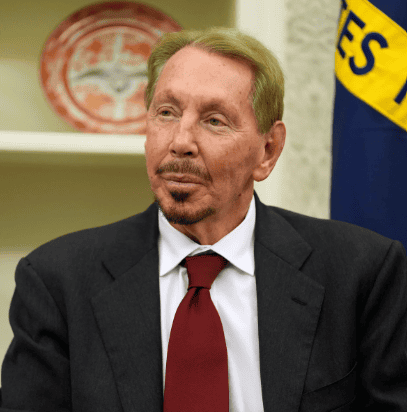
Martin Kao of Navatek wasn’t the only one who thought Susan Collins was right for Maine and the United States. These guys sent $5,500,000 to Collins-loving 1820 PAC.
Nov. 22, 2019
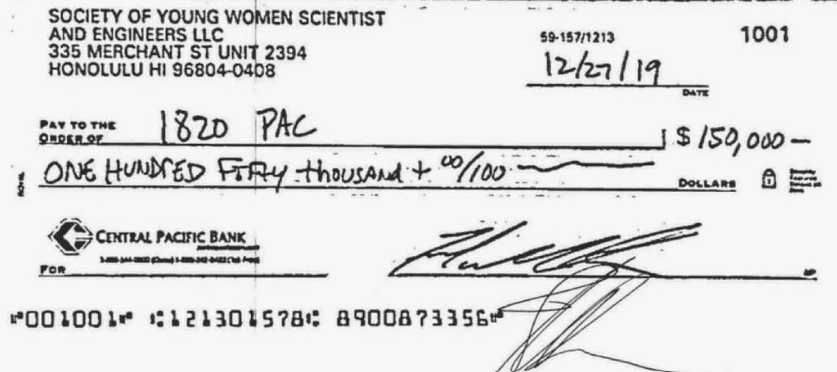
Kao emails Reed proposing creation of an LLC—the Society of Young Women Scientists and Engineers—to make the contribution while obscuring its source. Reed replies approvingly.
Late 2019 / early 2020
The shell company contributes $150,000 to 1820 PAC.
February 2020
Kao and his team meet with Collins’s office. Afterwards Kao emails colleagues: “Excellent meeting. Total of $32M will be supported.”
The gavel only banged once… for Kao
2020–21
Collins’s office says the campaign ultimately disgorged the illegal Kao contributions. Collins’s representatives say the campaign had not known they were illegal.
September 2024
Kao gives investigators a 50-page document detailing his dealings with more than a dozen members of Congress and their staffs, including names and contact information he believed investigators should pursue.
Late 2024
FBI anti-corruption agents conclude there is sufficient evidence to pursue a broader bribery investigation. They consider further investigative techniques and question Kao extensively about Collins and her office.
2025–2026
Personnel changes substantially affect the FBI/DOJ public-corruption apparatus. The FBI says its earlier Collins investigation found nothing implicating Collins or her campaign. The investigation arising from Kao’s 2024 information subsequently ended.
What Happened to the FBI Investigation?
The Barn
Is there any relationship between Trump regaining the White House and the FBI/DOJ dropping the 2024 bribery investigation?
The Mack
Yes, there is evidence of a causal connection, but the public record does not establish that Trump personally ordered the Navatek/Collins investigation terminated.
The personnel and institutional machinery conducting public-corruption investigations was substantially dismantled:
The FBI’s CR-15 anti-corruption unit, whose agents were working the Kao investigation, was purged during FBI Director Kash Patel’s tenure.
DOJ’s Public Integrity Section fell from more than 30 lawyers to five, lost authority to initiate new cases, and lost parts of its traditional supervisory role over cases involving public officials.
The Barn
Okay then, nothing to see here. But if you want all the details…
PROPUBLICA does fantastic work in the public interest!
And no, Navatek’s inflatable wing concepts were never used on actual full-scale piloted aircraft; instead, their research focused on prototyping and exploring applications for squirrel wingsuits and unmanned aerial vehicles (drones)
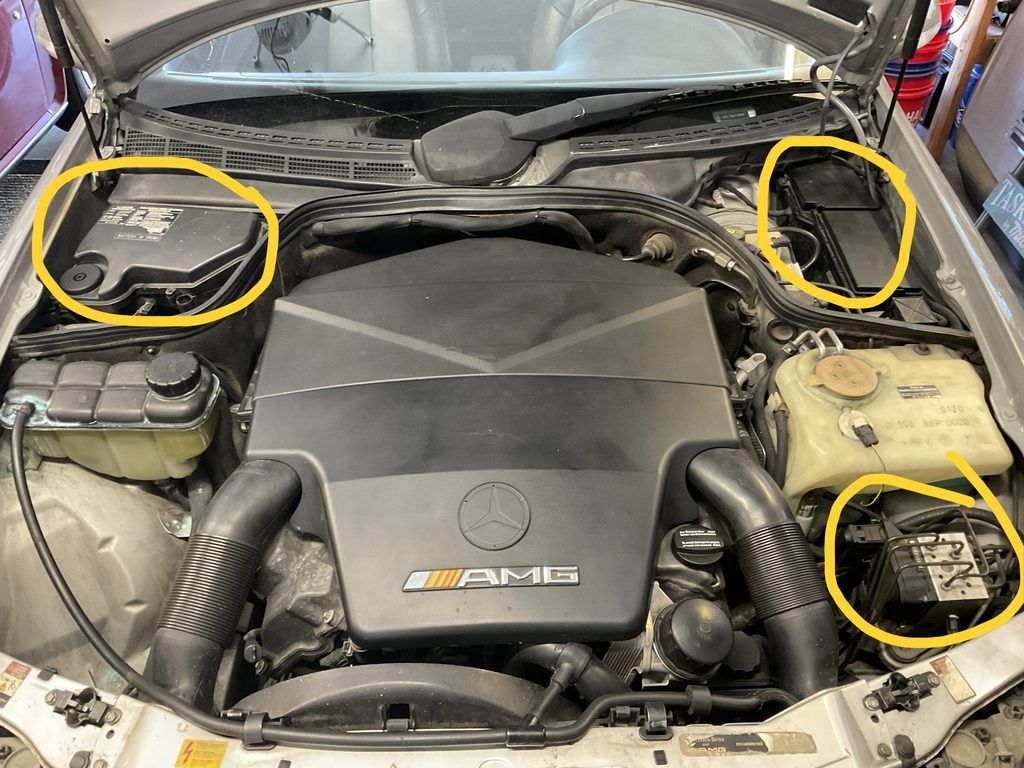
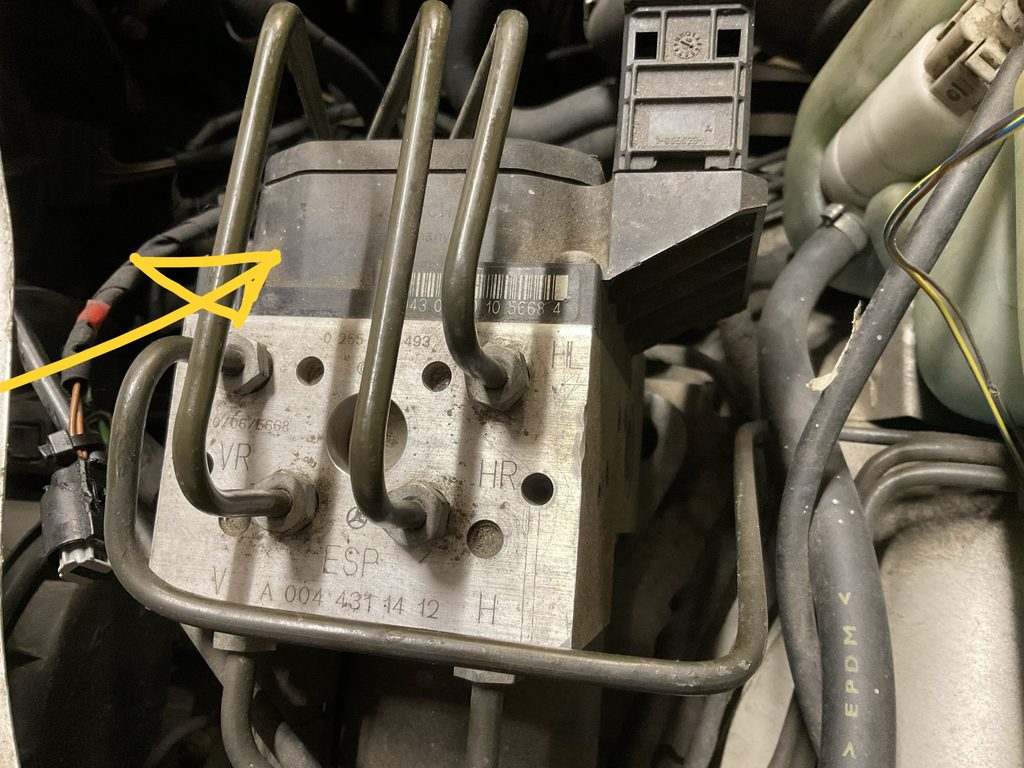
The CLK55’s C1401 – A7/3m1 high-pressure and return pump fault lit up the ABS/ESP/BAS warnings and sent me looking for the cause.
If I resided in another state I would ignore the ABS/ESP/BAS malfunction notices on the dashboard, since I normally switch ESP off. But in California the car will not pass DMV checkup. With the clock ticking down to tag expiration, I decided to address it.
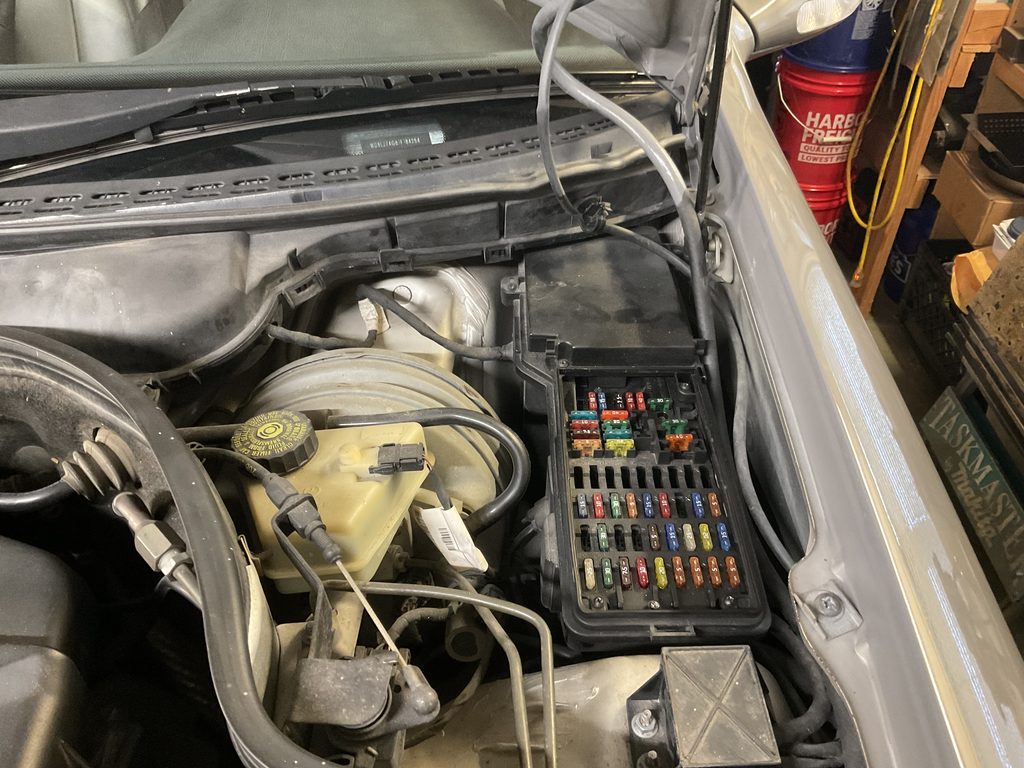
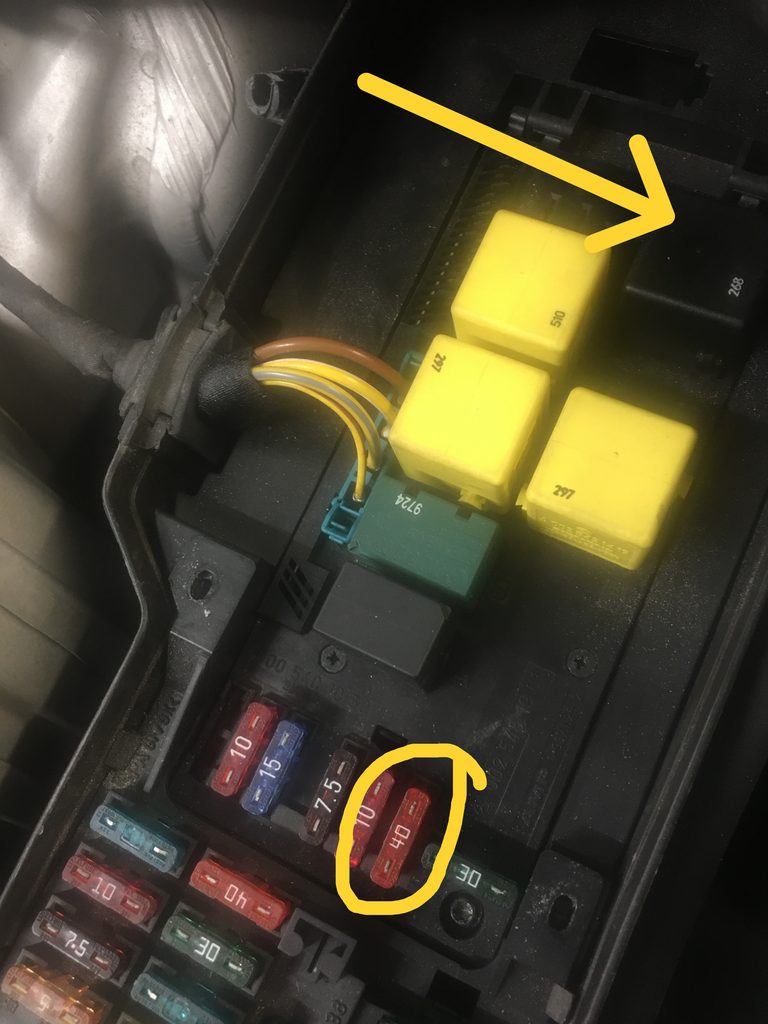
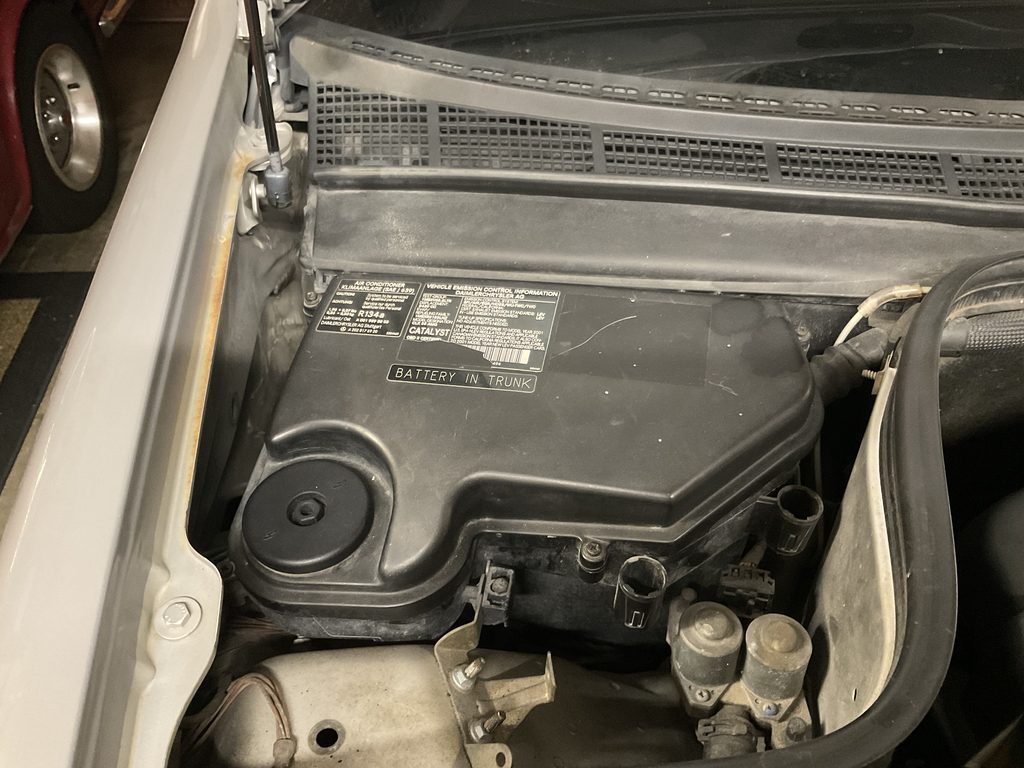
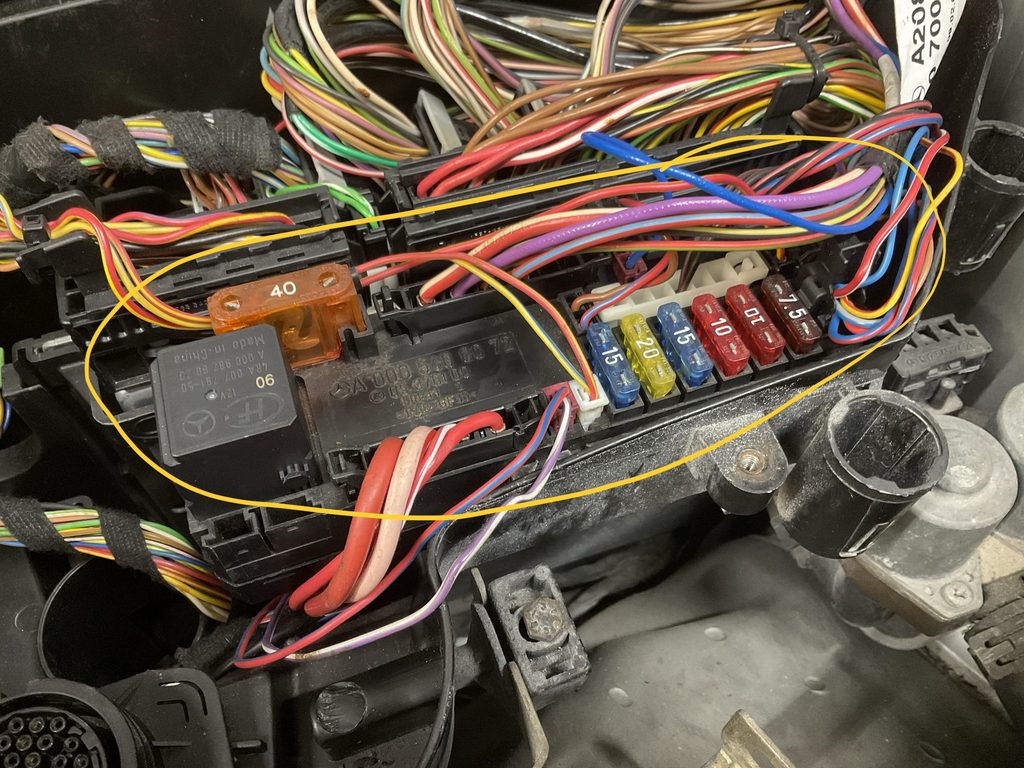
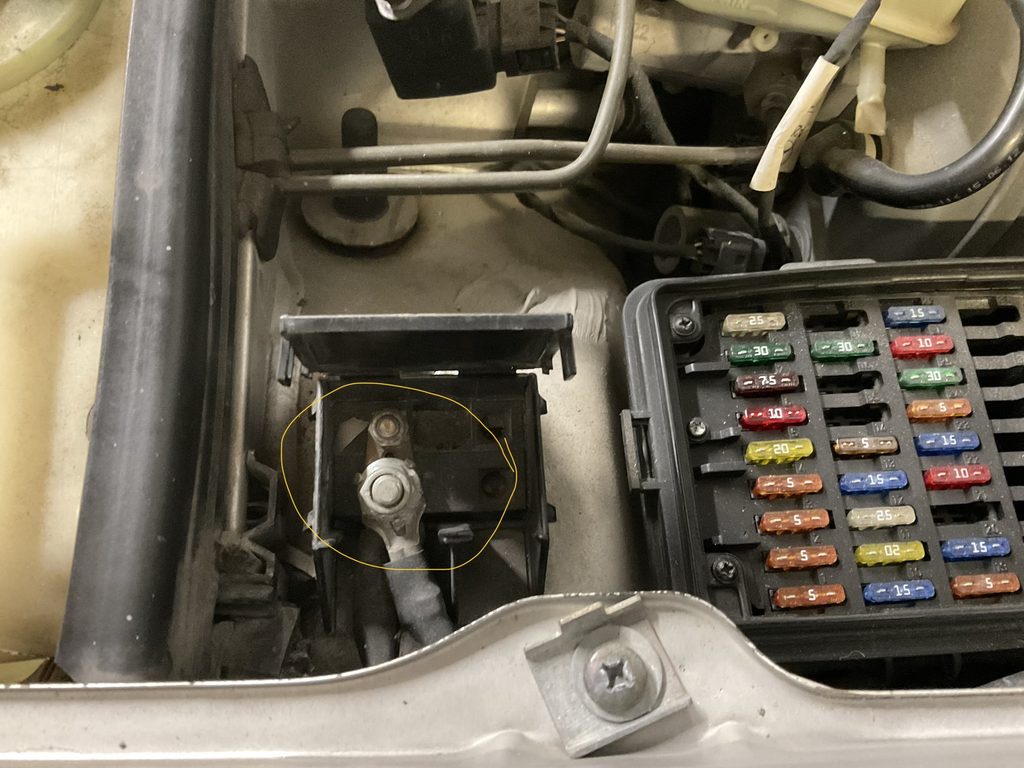
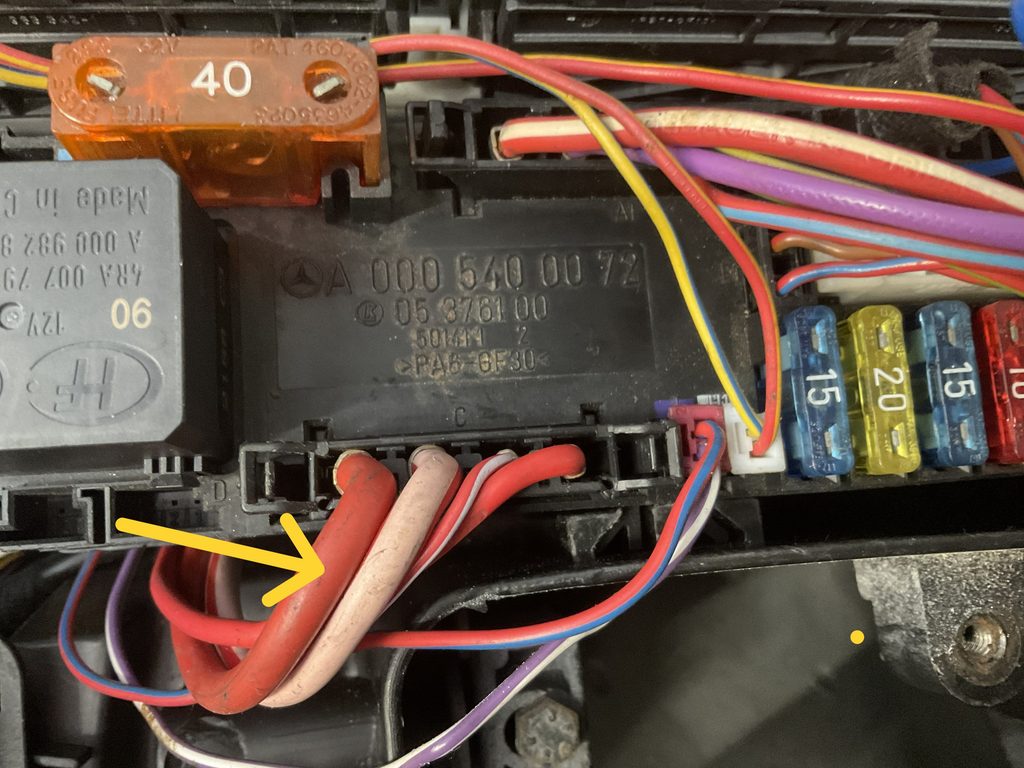
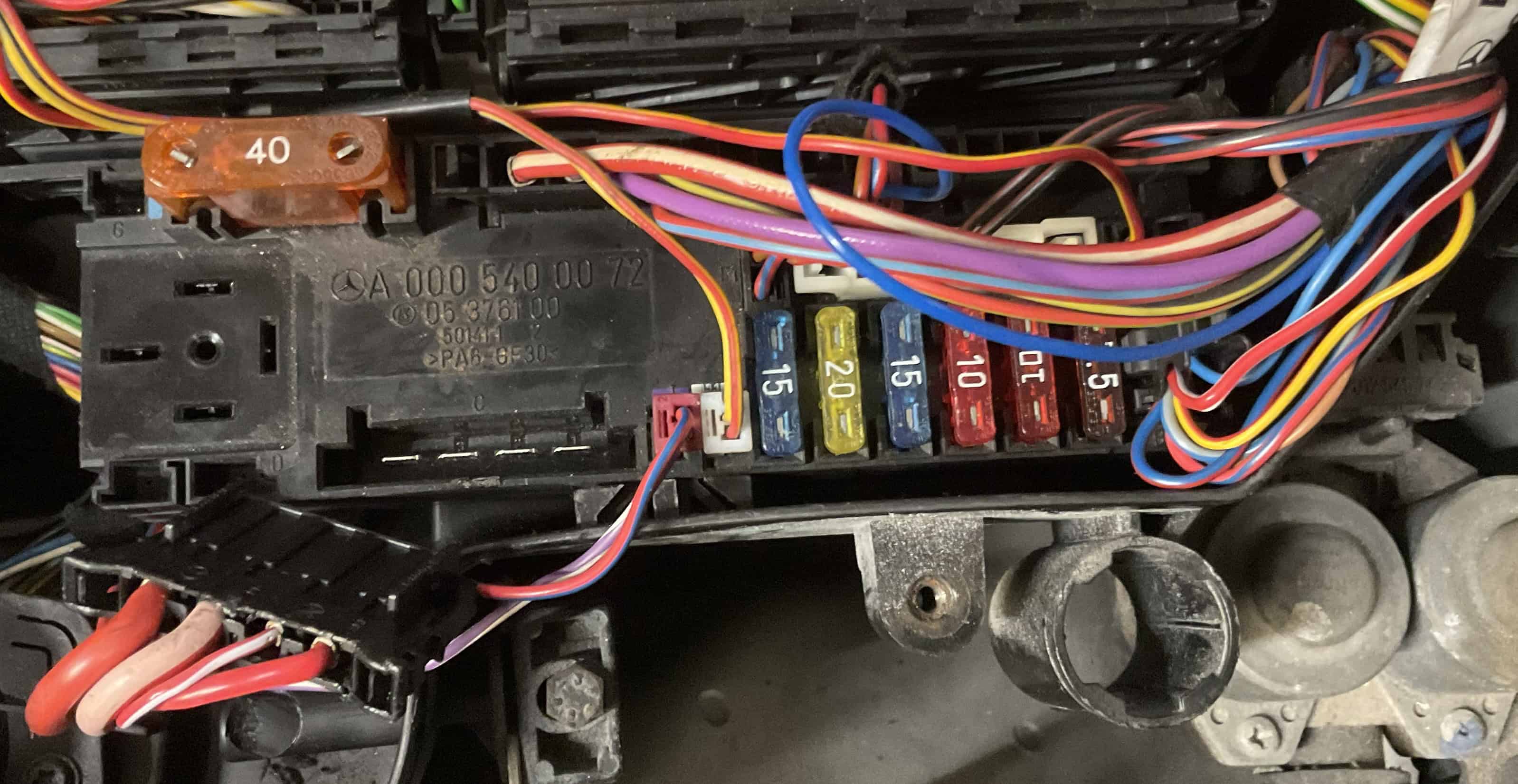
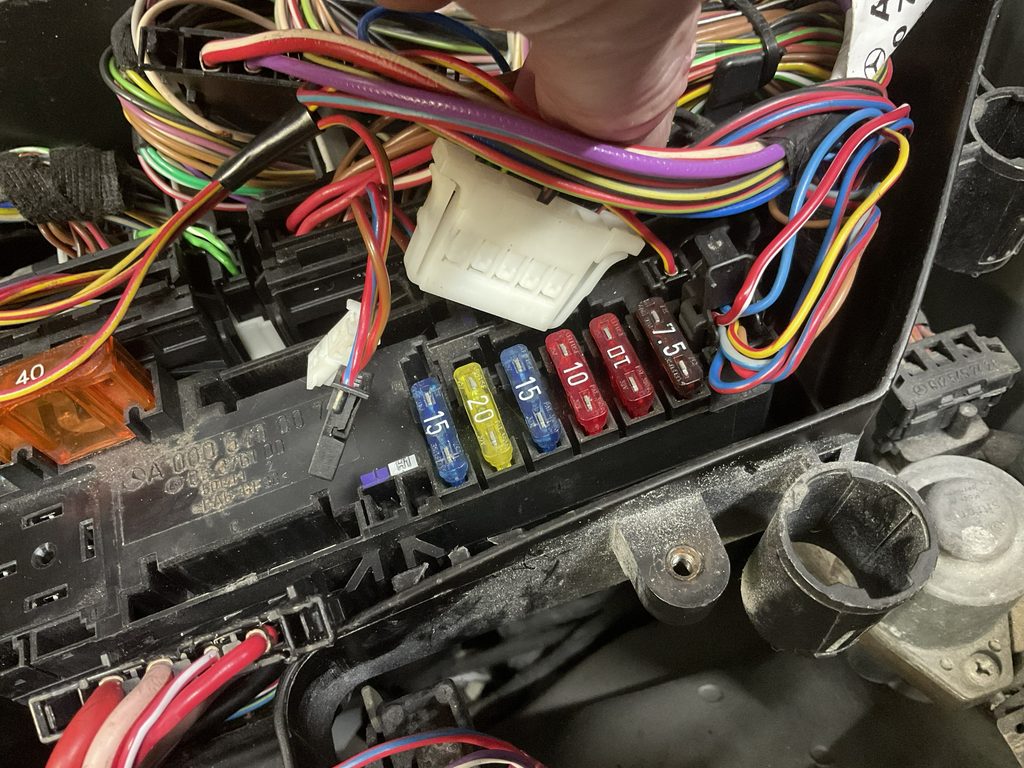
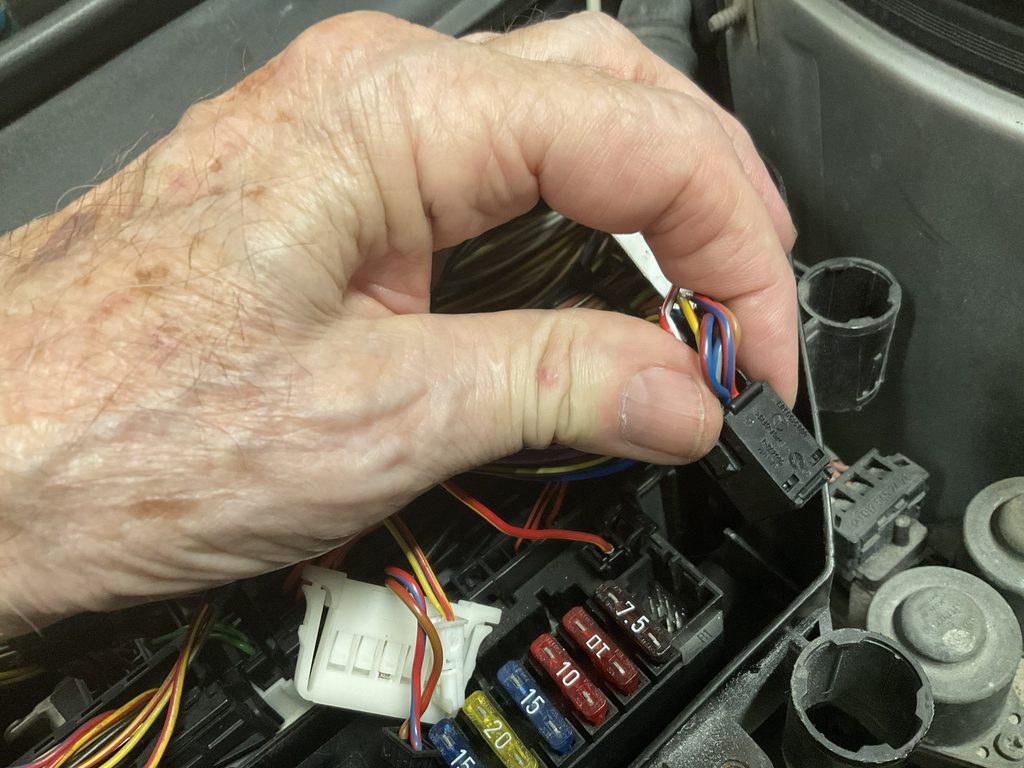
The areas of interestThe ABS pump and its black boxThe fuse cover lifts off, then six phillips screws release the relay cover Arrow points at ABS relay, ABS 40 amp fuse circledComputers, 38 pin diagnostic connector, and K40/4 relay block are under this coverK40/4 relay block simply lifts out after removing the plugs
When I first read the “C-1401 – A7/3m1 (high-pressure and return pump)” on my scanner I assumed and feared that the pump and/or its black box would need to be sent out for a rebuild. On further investigation, I got lucky with a much simpler and cheaper fix.
First I checked the relay and the 40 amp fuse in the driver side fuse panel, and they were fine. Then I applied 12V power to the pump side of 40 amp fuse socket and discovered that the pump was fine, it hummed smoothly.
I checked for 12V at the ABS relay, with the key on, but I was seeing 0 volts. This led me to suspect the K40/4 relay module on the passenger side… it’s job is to supply clean 12V power to the ABS/ESP pump and control unit, via internal soldered relays. It is a known weak point.
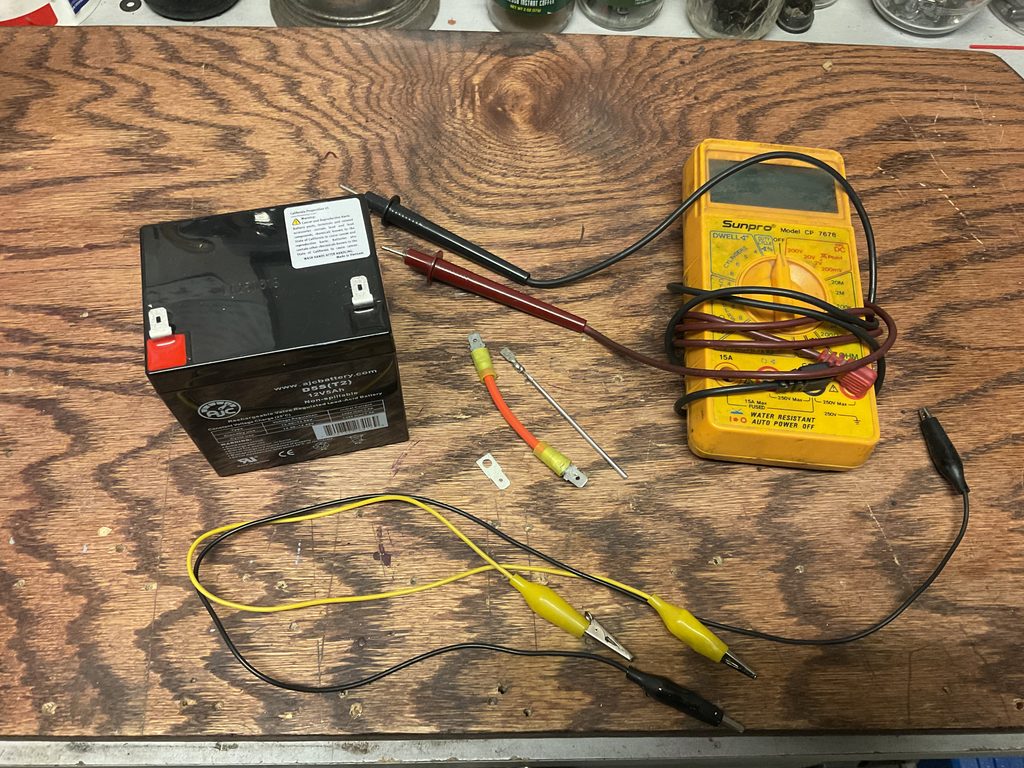
Testing gear12V here if you don’t have a test batteryI expected 12V at the 30 socket of the ABS relay, got none
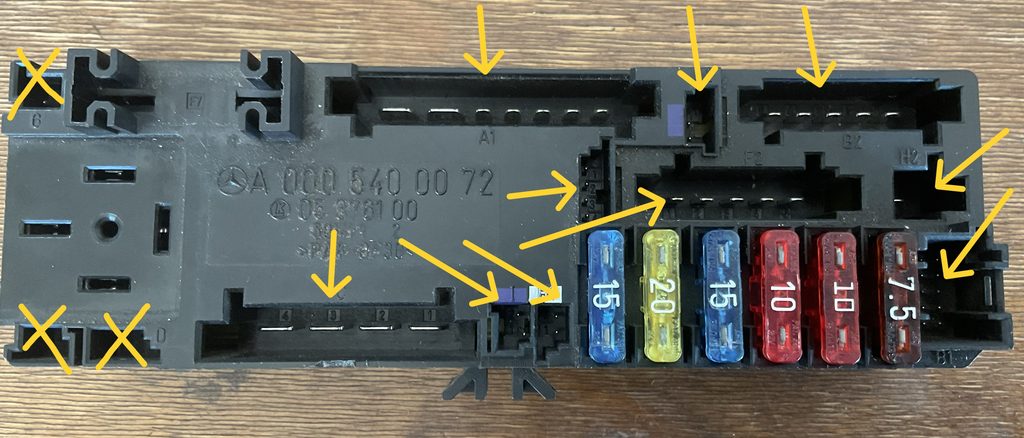
The only somewhat difficult task in the whole swap process was disconnecting those 10 plugs in the K40/4 module. The large ones have two little levers on top that you squeeze towards each other. The small ones were a little tricky, there is a single tab to release each one and the plastic plugs can be a little brittle after years of use.
if you take plenty of photos showing where each plug goes, installation will be fast and easy. I reconnected the battery, plugged in my Youcanic UCAN C2 scannner and cleared codes. Final step was starting the car and turning the steering wheel lock to lock and then back to center.
The 12V feed to the K40/4 relay moduleDisconnecting the plugs was the only challenging part of the jobStarting to unplug everythingI took plenty of photosTen plugs to install, and 3 unused sockets on the CLK55New K40/4 module
Instead of a $400 rebuild of the ABS pump and/or its control, I escaped with a used $70 eBay K40/4 relay module. The module I purchased from Recycl BMWNBENZ looked new and included the fuses and the relay.
What you see is what I gotDefinitely keeping a link to this eBay seller, BMW/Mercedes supplier
Throughout American history, immigration policy has repeatedly changed direction. Employers encouraged foreign workers to come, political pressure eventually restricted their entry, and the economic demand for their labor often remained. From Chinese railroad workers in the 1860s to Mexican agricultural workers a century later, the pattern is remarkably familiar. Why does American immigration policy keep repeating itself?
The Barn
Set the scene for me: how was U.S. immigration governed in the decades prior to passage of the Hart-Celler Act of 1965, officially called the Immigration and Nationality Act?
The Mack
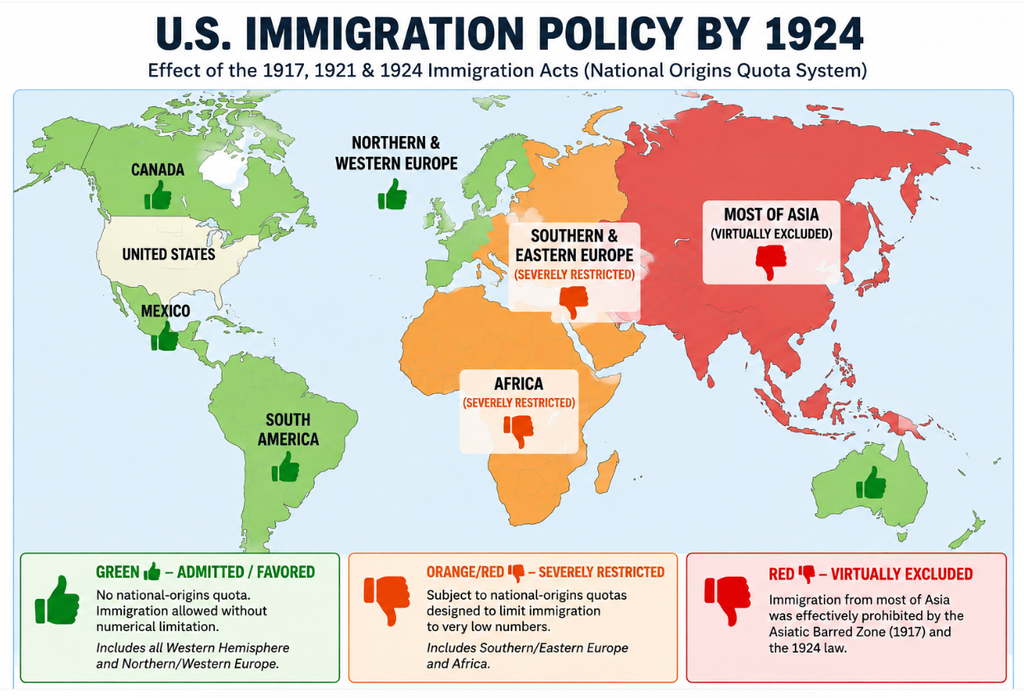
The Immigration Act of 1924 established a national-origins quota system that heavily favored immigrants from Northern and Western Europe. The system was designed to preserve the existing ethnic composition of the United States.
As historian John Higham observed in his account of the 1924 Johnson-Reed Act: “Nativists during this period argued that the so-called new immigration from southern and eastern Europe was racially inferior to the ‘old immigration’ from northern and western Europe. It was therefore polluting the nation’s bloodstream.”
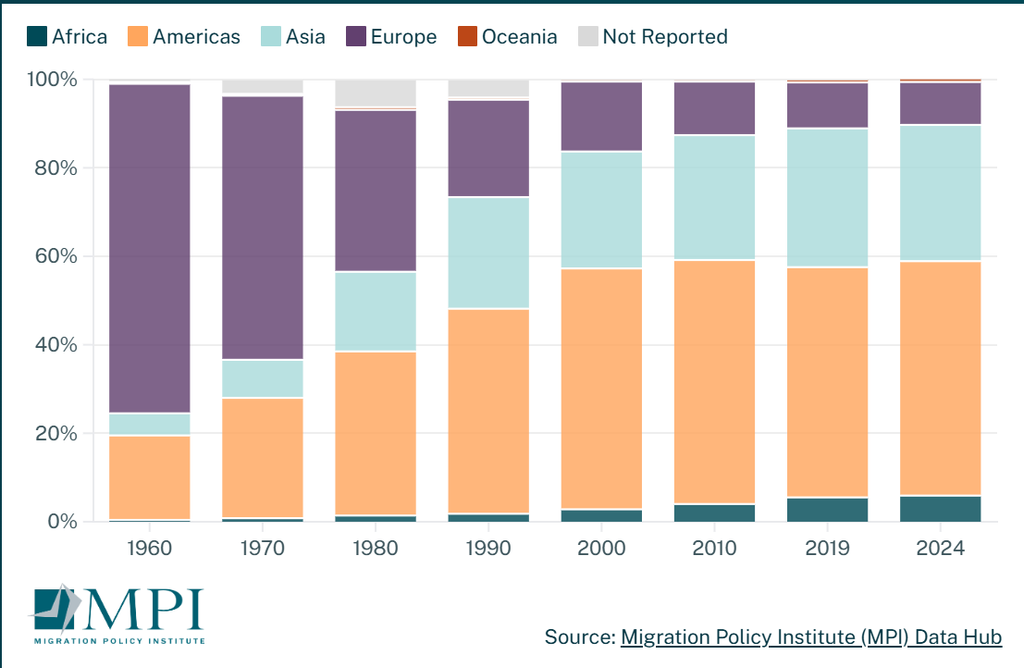
Keep us white?The Hart-Celler Act of 1965 changed immigration dramatically
Under the quota system, immigrants from Britain and Germany received relatively generous allocations, while immigrants from Italy, Greece, and much of Eastern Europe faced severe restrictions.
Immigration from the Western Hemisphere was not subject to the national-origins numerical quotas. That meant Mexico and other Latin American countries operated under a different system from Europe and Asia.
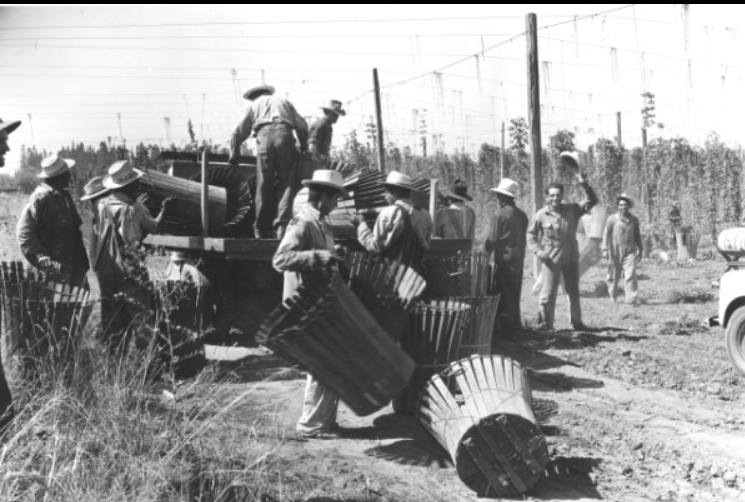
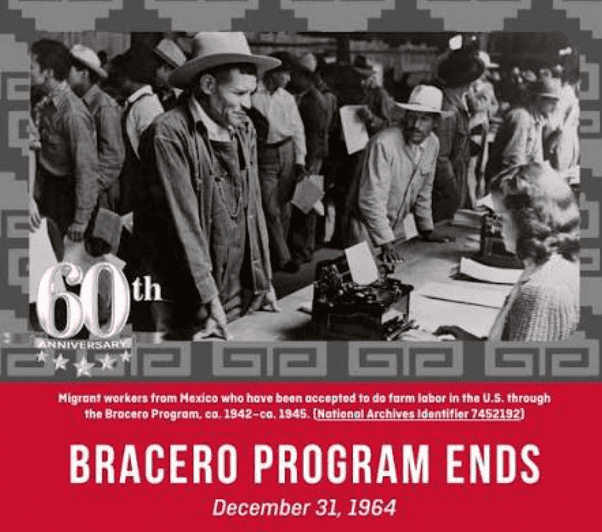
Beginning in 1942, the United States had recruited temporary Mexican agricultural workers through the Bracero Program. Over its lifetime, the program recorded approximately 4.6 million worker admissions, including repeat admissions.
The Barn
So, during the lifetime of the Bracero program, 1942-1964 , more than 200,000 Mexicans crossed the border into the United States each year, primarily seeking jobs in agriculture?
The Mack
Over the program’s 22-year history, that averages roughly 209,000 admissions per year. Many Mexican workers participated in the program repeatedly, returning to Mexico when their contracts expired and coming back for subsequent agricultural seasons. Consequently, 4.6 million admissions does not mean 4.6 million different Mexicans immigrated to the United States.
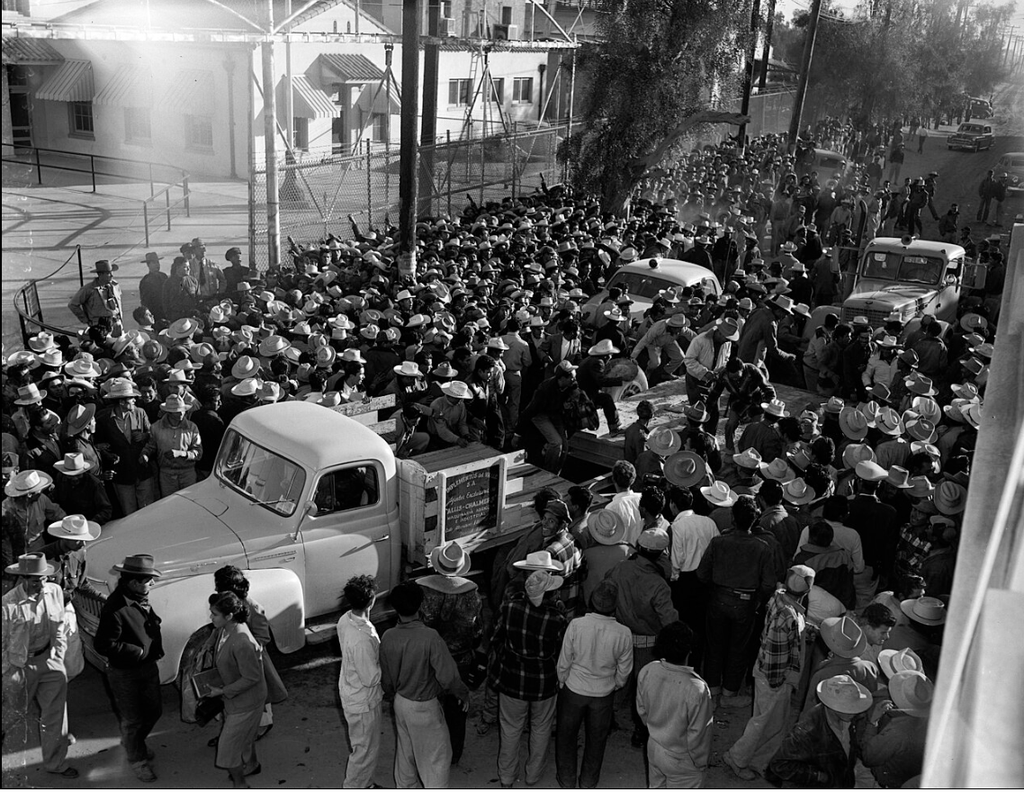
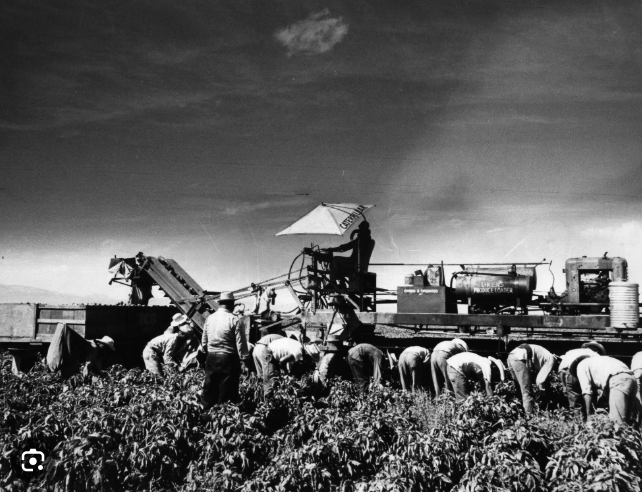
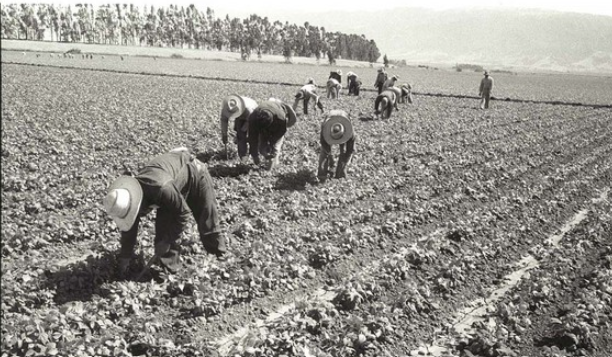
Looking for farm work in California.Ready to harvest in OregonBracero… “laborer who works with his arms.”They faced harsh conditions and had to pay for food and lodging while only receiving meager wages. Sound familiar? See The Chinese Problem post
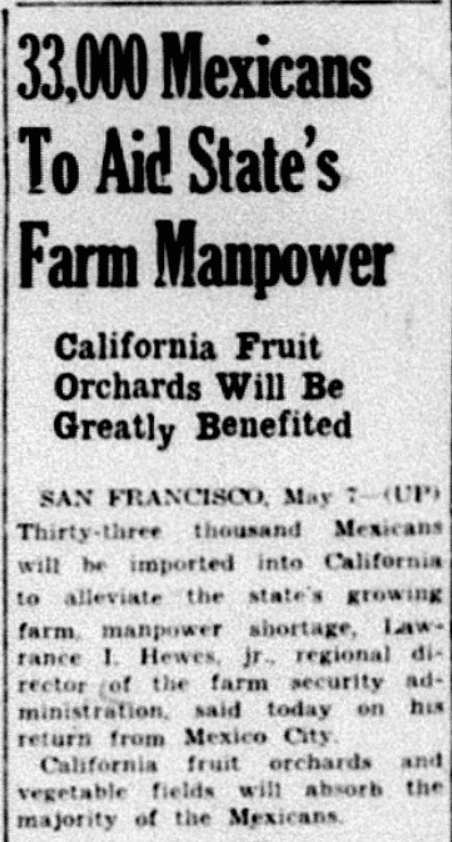
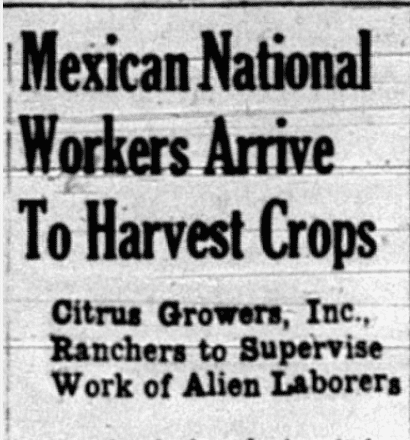
The program began relatively modestly during World War II and expanded substantially during the 1950s. By the late 1950s, American agriculture had developed a system that accommodated approximately 400,000 temporary Mexican worker admissions annually.
The Barn
Seems like it parallels the Chinese Problem… open the gates wide and then a decade or two later slam it shut. From encouraging 400,000 annually to help in agriculture, to squeezing the flow down to 20,000 per year.
The Mack
There is a striking parallel, particularly when we look at the relationship between employers’ demand for immigrant labor and the political pressure to restrict immigration.
First, let’s get the numbers straight.
During the late 1950s, the United States was admitting approximately 400,000 Mexican agricultural workers annually through the Bracero Program.
Then:
1964: The Bracero Program ended, eliminating that large-scale temporary agricultural labor channel.
1965: Hart–Celler established a 120,000 annual ceiling for permanent immigration from the entire Western Hemisphere, effective in 1968.
1976: Congress extended the 20,000-per-country limit to Mexico.
However, the 20,000 figure applied to certain categories of permanent immigration, not all Mexican workers entering the country. Immediate relatives of U.S. citizens were exempt, and other temporary-worker provisions remained available.
So we cannot quite say Congress reduced total permitted Mexican immigration from 400,000 to 20,000. Those numbers measure different kinds of admissions.
The Bracero figures represent temporary worker admissions, including repeat admissions, while the later immigration limits concerned permanent immigration categories.
The Barn
Nevertheless, the combination of these changes substantially restricted Mexican labor migration, right? Can you compare these two immigration periods: the Chinese Problem and the Bracero program?
The Mack
Chinese Immigration and the Bracero Program: A Historical Comparison
In both cases, the government initially facilitated access to foreign workers, and later restricted that access partly in response to concerns about domestic workers.
she loves me…
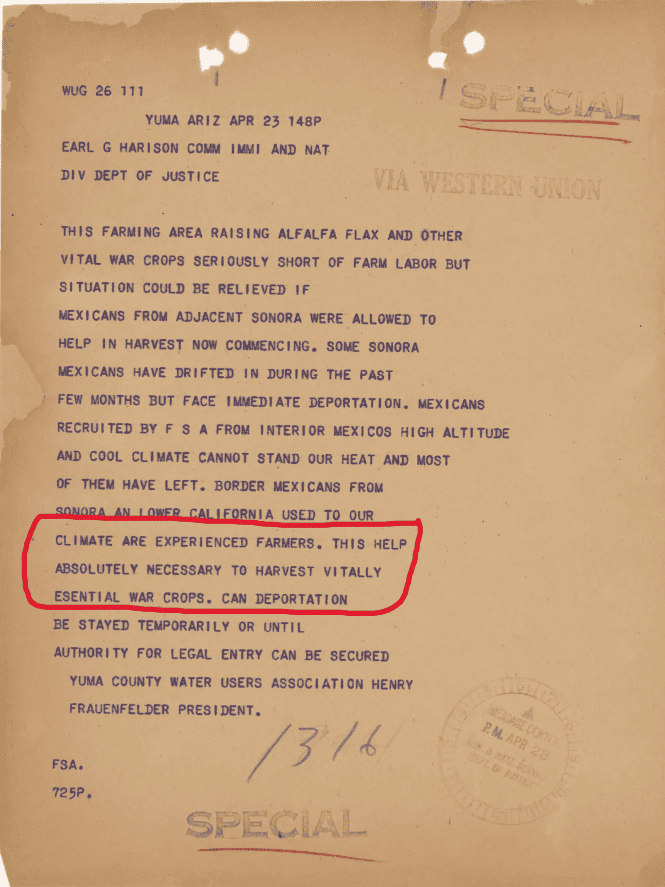
A plea for helpAnd willing helpers from south of the border.Peak Bracero in late 50s… Texas 137,000 & California 100,000
she loves me not…
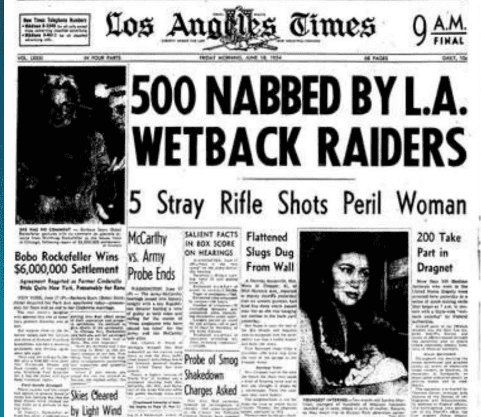
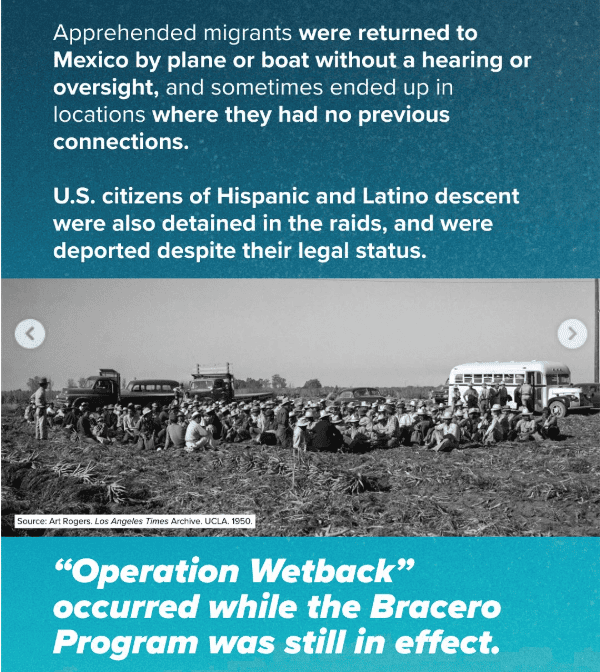
No longer a fancied program, but the need was still there.Round ’em upHead ’em out, sound familiar?
The Barn
So, government restricts the supply of immigrant labor without eliminating the economic demand for it. I’m holding my breath, what happens next?
The Mack
In the Chinese case, employers adapted by seeking other workers, changing their operations, or continuing to employ Chinese workers already present.
In the Mexican case, employers still needed agricultural labor, while Mexican workers still had powerful economic incentives to seek employment in the United States.
One consequence was continued unauthorized migration, although other economic and policy factors also contributed.
And this brings us directly to IRCA in 1986.
The Immigration Reform and Control Act of 1986: Another Attempt at Reform
The Barn
IRCA was signed by Ronald Reagan in 1986, what did it propose to do?
The Mack
Twenty-two years after the Bracero Program ended, Congress was attempting to address an established unauthorized immigrant population by legalizing millions of people while penalizing employers who knowingly hired unauthorized workers.
The Barn
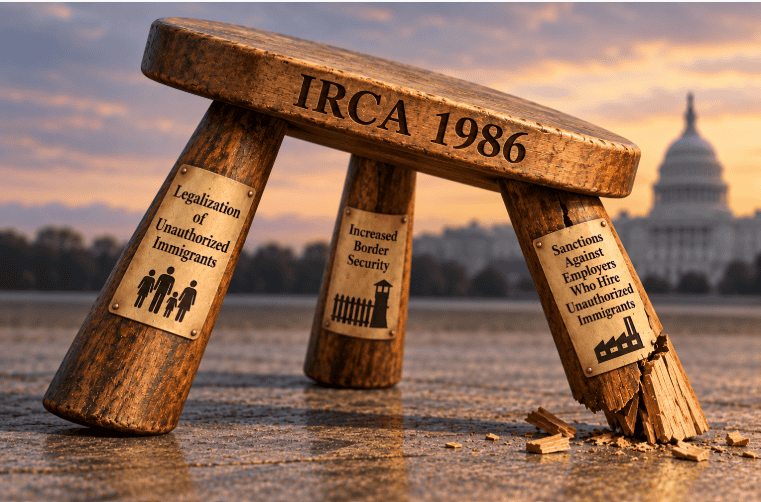
IRCA has been described as one of those “three-legged stools.” Tell me about it.
The Mack
Sure, here are the three legs re IRCA.
Legalization (Amnesty): A path to legal status and eventual permanent residency for long-term unauthorized immigrants.
Employer Sanctions: For the first time in U.S. federal law, it became illegal for employers to knowingly hire, recruit, or refer for a fee unauthorized workers.
Border Enforcement: Increased funding and resources for the U.S. Border Patrol and the former Immigration and Naturalization Service (INS).
The Barn
It turns out one of those legs was so weak, there was never a chance it would work.
The Mack
Yes, subsequent policy analyses—such as evaluations by the Migration Policy Institute—noted that the stool wobbled or failed over time because employer sanctions were difficult to enforce consistently.
There is a recurring historical tension here: immigration policy can restrict the legal supply of workers more readily than it can eliminate the economic incentives that attract them.
The Barn
Maybe there is something about homo sapiens, the smart ape. Perhaps it is time for a deep dive into our past.